In the evolving landscape of education, the role of a teacher transcends traditional instruction. Especially when it comes to supporting autistic students, a profound shift in perspective is necessary—one that not only embraces neurodiversity but also reimagines the classroom as a sanctuary of understanding and growth. This guide is designed to illuminate the nuanced ways educators can champion the potential of autistic learners, fostering environments where every student not only survives but thrives.
Understanding Autism Through a New Lens
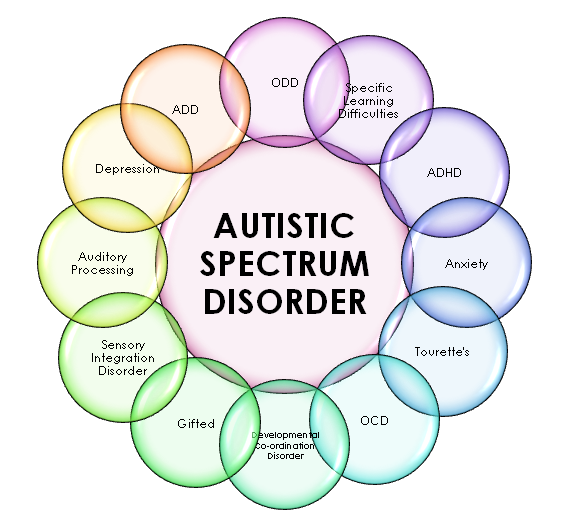
Autism spectrum disorder (ASD) is far from a monolithic condition. It encompasses a broad array of experiences, behaviors, and needs, each unique to the individual. Moving past reductive stereotypes requires educators to delve deeply into neurodiverse narratives, recognizing autism not as a deficit but as a different cognitive wiring that offers distinct strengths and challenges.
Rather than perceiving autistic behaviors as obstacles, teachers can begin to appreciate them as communicative signals or coping mechanisms. For example, repetitive movements or intense focus on specific subjects might reveal a student’s method of processing information or self-soothing in overwhelming situations. This understanding pivots instruction from rigid conformity to personalized support.
Creating a Sensory-Friendly Learning Environment
A classroom’s physicality can profoundly affect autistic students. Sensory sensitivities—whether to light, sound, textures, or smells—often dictate comfort and learning capacity. Constructing a sensory-friendly space involves more than minimizing distractions; it requires intentional modifications and flexible options.

Providing quiet corners or sensory tools such as noise-canceling headphones, tactile objects, or adjustable lighting can mitigate sensory overload. These measures demonstrate respect for individual sensory thresholds, validating students’ experiences and empowering them to self-regulate effectively.
Adapting Instructional Strategies to Diverse Learning Profiles
Autistic students may absorb information differently, often benefiting from multimodal instruction—combining visual, auditory, and kinesthetic elements. The traditional lecture format might be less effective, necessitating creative pedagogical approaches that cater to varied communication styles and processing speeds.
Employing visual supports such as schedules, graphic organizers, and pictorial cues can facilitate comprehension and reduce anxiety about transitions or expectations. Additionally, breaking down complex tasks into manageable steps with clear, consistent instructions enhances accessibility and fosters autonomy.
Flexibility in timing and response methods is also vital. Allowing alternative means of demonstrating knowledge, like oral presentations or artistic expressions, honors diverse intelligences and encourages authentic engagement.
Fostering Social Inclusion and Empathy
Social isolation remains a pervasive challenge for autistic students. Educators must proactively cultivate a culture of empathy and respect within the classroom community. This can be achieved through structured social skills interventions and open dialogues about neurodiversity aimed at all students.
Encouraging peer mentorship and collaborative projects not only promotes meaningful interactions but also dismantles misconceptions. Establishing unambiguous social expectations and providing guided opportunities for practice empower autistic learners to navigate social nuances with greater confidence.
Collaborating with Families and Specialists
Supporting autistic students is an endeavor that flourishes through collaboration. Families offer indispensable insights into their child’s preferences, triggers, and effective strategies. Establishing open, compassionate communication channels builds trust and ensures consistency between home and school environments.
Similarly, partnering with specialists such as speech-language therapists, occupational therapists, and psychologists enriches the educational experience. These professionals contribute targeted interventions and adaptations that align with the student’s evolving needs.
Promoting Self-Advocacy and Empowerment
A transformative aspect of supporting autistic students involves nurturing their self-advocacy skills. Encouraging students to articulate their needs, preferences, and boundaries fosters independence and resilience.
Teachers can facilitate this by integrating opportunities for choice and decision-making within classroom routines, as well as educating students about neurodiversity and self-awareness. When students recognize their own strengths and challenges, they are better equipped to navigate educational settings and beyond.
Embracing Continuous Learning and Reflection
Effectively supporting autistic students demands ongoing professional development and introspection. Educators who remain curious and receptive to new research, methodologies, and personal narratives enrich their instructional repertoire.
Reflective practice—examining one’s biases, successes, and areas for growth—cultivates a responsive teaching ethos. This dynamic approach ensures that support evolves alongside each student’s journey, honoring their individuality and potential.
Shifting perspectives in education is not merely an aspiration but an imperative. By understanding autism through an empathetic and informed lens, tailoring learning environments, employing adaptive instructional strategies, fostering social inclusion, collaborating broadly, promoting self-advocacy, and committing to perpetual growth, teachers can unlock the full spectrum of talents within their autistic students. Such an inclusive vision enriches the entire educational community, transforming classrooms into vibrant ecosystems where diversity is celebrated and every learner’s voice resonates.