Creating an autism-friendly classroom demands more than mere adaptations—it calls for a profound shift in perspective. It requires an environment that transcends traditional educational paradigms, placing empathy, individualized understanding, and sensory awareness at the heart of the learning experience. This transformation promises to unlock the latent potential in every student on the spectrum, nurturing not only academic growth but holistic development. Intrigued? Let us embark on this enlightening journey to cultivate classrooms where all learners can flourish.
Reimagining the Physical Environment
The architecture of the classroom itself can either hinder or harness the capabilities of autistic students. Meticulous attention to sensory stimuli is paramount. Overexposure to bright, flickering lights or cacophonous auditory disruptions frequently overwhelm these learners, impeding concentration and engagement. Implementing natural lighting, coupled with adjustable dimmers, serves to create a serene visual ambiance.

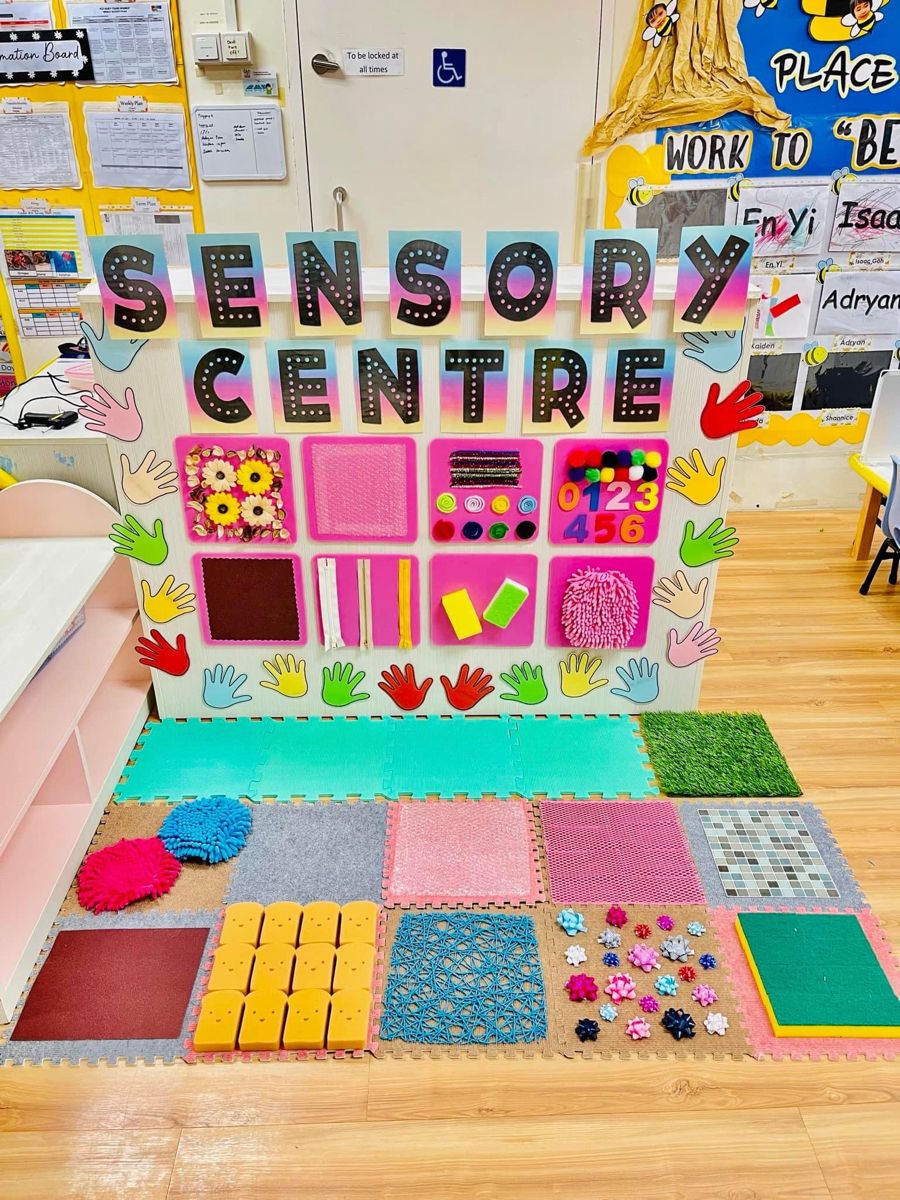
Equally essential is the spatial organization. Desks arranged to minimize distractions while ensuring clear sightlines to instructional focal points foster both comfort and attentiveness. Creating designated quiet zones or sensory corners equipped with fidget tools or soft textures offers sanctuary during moments of overwhelm, reinforcing self-regulation.
Embracing Individualized Communication Strategies
Communication is the linchpin of educational success, yet autistic students often navigate this terrain differently. Conventional verbal instruction can fall short, necessitating alternative augmentative communication (AAC) systems tailored to each learner’s unique profile. Picture exchange communication systems, visual schedules, or digital tablets equipped with communication apps empower students, bridging gaps and validating their voices.

This bespoke approach enriches understanding while galvanizing participation. It also prompts educators to cultivate patience, flexibility, and innovative methodologies, fostering a collaborative classroom culture that reverberates with mutual respect.
Curriculum Adaptations: Balancing Structure and Flexibility
An autism-friendly classroom thrives on predictability without sacrificing dynamism. Many autistic students excel when presented with a clear, structured routine punctuated by visual timetables that delineate daily activities. These concrete anchors alleviate anxiety and orient learners to what lies ahead. Yet, rigidity must not become a shackle.
Incorporating choice within instructional activities cultivates autonomy and intrinsic motivation. Differentiated instruction—modifying tasks according to each student’s strengths, interests, and challenges—furthers growth. For example, hands-on projects or experiential learning can captivate those who may struggle with abstract concepts or linguistic processing.
Enhancing Social Integration Through Intentional Practices
Social challenges often present formidable obstacles for autistic learners. Nonetheless, strategically designed social skills programs, peer mentoring, and cooperative group work can foster meaningful connections. It requires an ethos that celebrates neurodiversity rather than stigmatizing divergence.
Educators can initiate social scripts or visual prompts that scaffold interactions, enabling students to navigate social nuances confidently. Simultaneously, cultivating empathy and awareness within the broader student body nurtures an inclusive atmosphere where differences are honored and friendships blossom.
Empowering Educators with Specialized Training
Knowledge is power, especially in autism-inclusive education. Empowering teachers with evidence-based strategies—ranging from sensory integration techniques to behavior management and trauma-informed practices—fortifies the classroom’s foundation. Continuous professional development ensures that educators remain adaptive and attuned to emerging research and best practices.
Furthermore, collaboration with multidisciplinary teams, including speech therapists, occupational therapists, and psychologists, enriches instructional planning and responsiveness. This synergy enhances the capacity to tailor support effectively and holistically.
Harnessing Technology as a Transformative Tool
Technology offers unprecedented avenues to scaffold learning for autistic students. Educational software with gamified elements or interactive visuals can make abstract concepts tangible and engaging. Moreover, assistive devices and applications act as catalysts for communication and self-expression.

Integrating these digital tools requires thoughtful selection and ongoing evaluation to align with individual needs, ensuring the technology amplifies rather than obstructs learning.
Fostering a Culture of Patience, Respect, and Curiosity
Ultimately, an autism-friendly classroom emanates a palpable culture steeped in patience and genuine respect. Such an environment does not merely tolerate differences; it venerates them as invaluable contributions to the collective tapestry of the classroom community. Here, mistakes are reframed as stepping stones, and curiosity is kindled into a relentless, joyous pursuit of knowledge.
It invites educators, students, and families alike to embark on a journey of discovery, witnessing the profound gifts inherent in diverse ways of perceiving and interacting with the world. This profound philosophical pivot redefines success—measured not solely by grades but by growth, resilience, and self-actualization.
Creating an autism-friendly classroom is a commitment to redefining education as a beacon of inclusivity and possibility. By thoughtfully constructing environments imbued with empathy, adaptability, and innovation, educators unlock pathways to profound learning experiences for all students. The promise held within this endeavor beckons us to transcend conventional notions, embracing a landscape where every learner is not only seen but truly understood and cherished.