Standardized testing represents a pivotal moment for countless students, a crucible in which knowledge, skills, and endurance converge. Among these candidates, individuals on the autism spectrum frequently encounter challenges that transcend mere content mastery. Their interaction with standardized assessments often reveals a more intricate narrative—one that is both a testament to their unique cognitive processing and a reflection of systemic structures that may inadvertently obscure their true potential. The allure, or at times the anxiety, surrounding these examinations invites a deeper exploration into the accommodations designed to bridge this gap, providing equitable opportunities while acknowledging the nuanced facets of autism.
The Intricacies of Autism in the Context of Standardized Testing
Autism spectrum disorder (ASD) encompasses a broad range of neurodevelopmental conditions characterized by variations in communication, social interaction, and behavioral patterns. This heterogeneity renders standardized tests—a rigid, uniform evaluative instrument—both a challenge and a paradox. While some autistic individuals exhibit remarkable focus and exceptional memory, traits which can serve as assets in testing scenarios, others struggle with sensory sensitivities, time constraints, or social-communication differences that complicate their test-taking experience.
The fascination stems from a commonly observed phenomenon: some test-takers with autism appear intensely absorbed by standardized testing itself, drawn by its structured format and definitive parameters. This intrinsic motivation can paradoxically coexist with anxiety or executive functioning difficulties that diminish performance. Understanding these dualities sheds light on why specialized accommodations are not only beneficial but essential.

Understanding Accommodations: Leveling the Playing Field
Testing accommodations are modifications or supports provided to individuals who require them to demonstrate their abilities without barriers introduced by disability or neurologic differences. For autistic students, accommodations are thoughtfully tailored to address sensory, processing, and communication barriers that can distort results and undermine confidence. These adjustments do not diminish the rigor or expectations of the test but recalibrate the environment to measure true aptitude rather than extraneous difficulties.
Common accommodations include extended time allowances, altered testing environments, and breaks to mitigate sensory overload or reduce anxiety. Extended time, in particular, recognizes that some individuals process information differently or require additional moments to organize thoughts and adapt to unforeseen distractions. Quiet rooms or separate testing areas lessen overstimulating stimuli that could derail concentration, allowing the examinee to engage more fully with the test content.

Executive Function and Sensory Processing: Invisible Hurdles
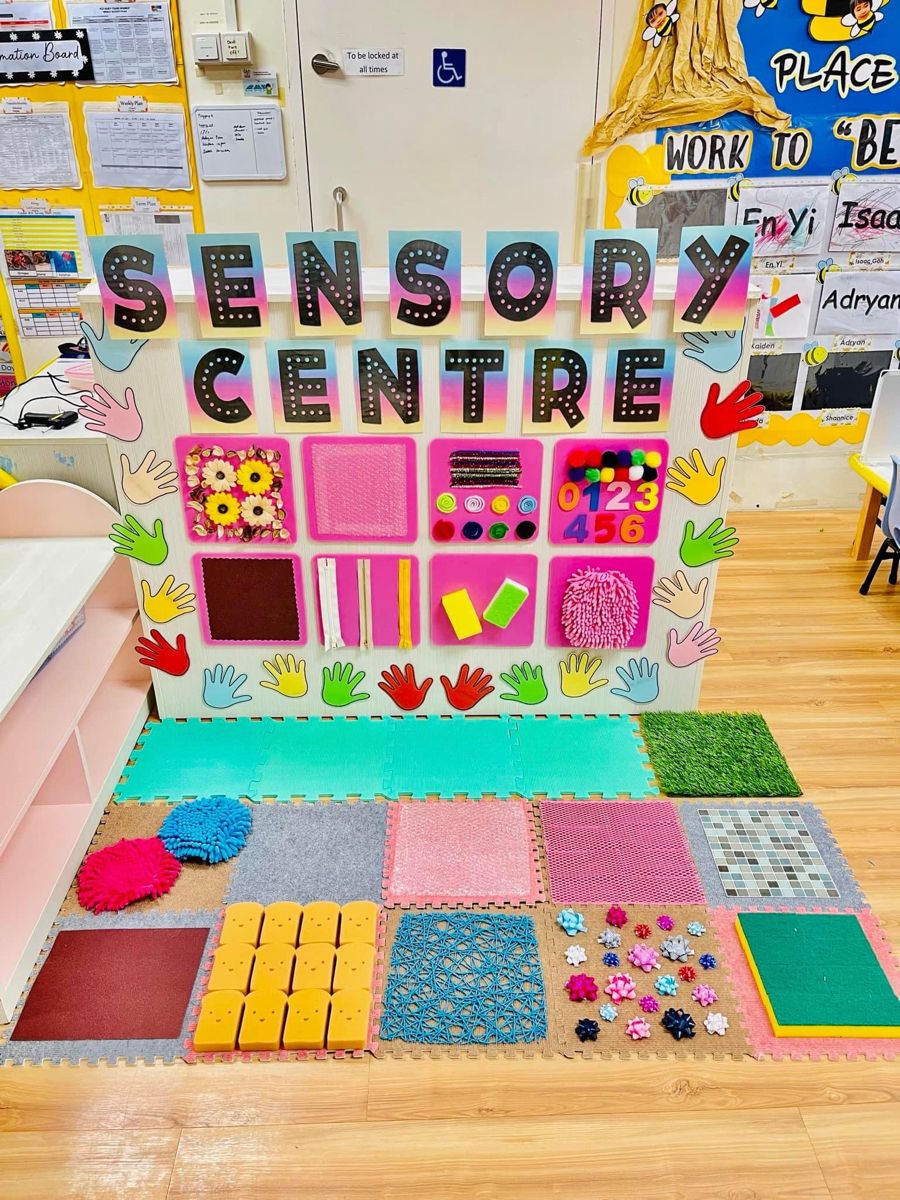
Beyond the overt manifestations of autism lies the realm of executive function—cognitive processes underpinning planning, organization, and working memory—and sensory integration, which manages the brain’s response to sensory input. Disruptions in these areas can profoundly affect test performance. For instance, a student overwhelmed by the harsh lighting or ambient noise in a testing room may experience diminished focus, not due to lack of knowledge, but because of environmental distress.
Accommodations that address these invisible hurdles, such as noise-cancelling headphones or permission to move around during breaks, extend beyond convenience. They are lifelines that facilitate equitable evaluation by aligning testing conditions with the unique neurological architecture of autistic individuals. Recognition of these needs reflects a maturation in educational philosophy, moving from a one-size-fits-all approach toward personalization rooted in compassion and understanding.
Legal and Institutional Framework Supporting Accommodations
The provision of accommodations is anchored in legal mandates such as the Individuals with Disabilities Education Act (IDEA) and Section 504 of the Rehabilitation Act. These frameworks obligate educational institutions and testing agencies to ensure accessibility and nondiscrimination. Navigating the procedural landscape—documented diagnoses, formal requests, and sometimes complex advocacy—can be daunting but remains indispensable.
Institutions like the Educational Testing Service (ETS) have developed standardized protocols for evaluating accommodation requests, emphasizing the necessity of comprehensive documentation and individualized assessment. This process underscores the principle that accommodations are not unilateral privileges but reasoned adjustments grounded in demonstrated needs, preserving the integrity of assessments while promoting fairness.

Beyond Accommodations: Cultivating Test-Taking Strategies for Success
While accommodations level the environment, success also hinges on strategies that empower autistic test-takers. Familiarization with test formats, practice under simulated conditions, and targeted skills for managing anxiety serve as vital complements. Educational professionals, families, and advocates play a key role in equipping students with these tools.
Moreover, fostering metacognitive awareness—helping students recognize their cognitive styles and devise personalized approaches—can transform testing from a source of dread into an arena of confidence. Harnessing strengths such as pattern recognition, detail orientation, or methodical thinking enables autistic individuals not only to navigate assessments but to excel.
The Path Forward: Embracing Neurodiversity in Standardized Testing
The fascination with standardized testing among autistic individuals may thus be viewed as a microcosm of broader themes in education and society. It invites contemplation of how institutions can evolve to honor neurodiversity rather than constrain it. Accommodations represent a pragmatic, immediate response; yet, the ultimate imperative lies in reimagining assessment paradigms—ushering in inclusivity that transcends mere adjustments.
By recognizing the intricate interplay of cognition, environment, and emotion that defines autism, educators and policymakers can transform testing into a genuine measure of knowledge and skill. This vision champions not just equity but also respect for the rich complexity of human minds.
Standardized tests need not be barriers; they can become milestones that celebrate diverse intellects when framed through empathy and informed accommodation. Such a shift offers promise not only for those on the spectrum but for all learners navigating a world measured by tests.