In the tender, formative years of early childhood, every interaction is a seed planted in the garden of a young mind. For autistic toddlers, the soil may be different—richer in some areas, more resistant in others—but it is no less fertile. The digital age has gifted us tools that can nurture this growth with precision, transforming screens from mere distractions into bridges to understanding, communication, and joy. Educational apps, designed with neurodiversity in mind, are not just supplementary aids; they are catalysts for unlocking potential, one tap at a time. This exploration delves into the most transformative apps that promise to redefine early learning for autistic children, blending innovation with empathy to create experiences that resonate deeply with their unique ways of perceiving the world.
The Alchemy of Engagement: How Apps Capture Attention
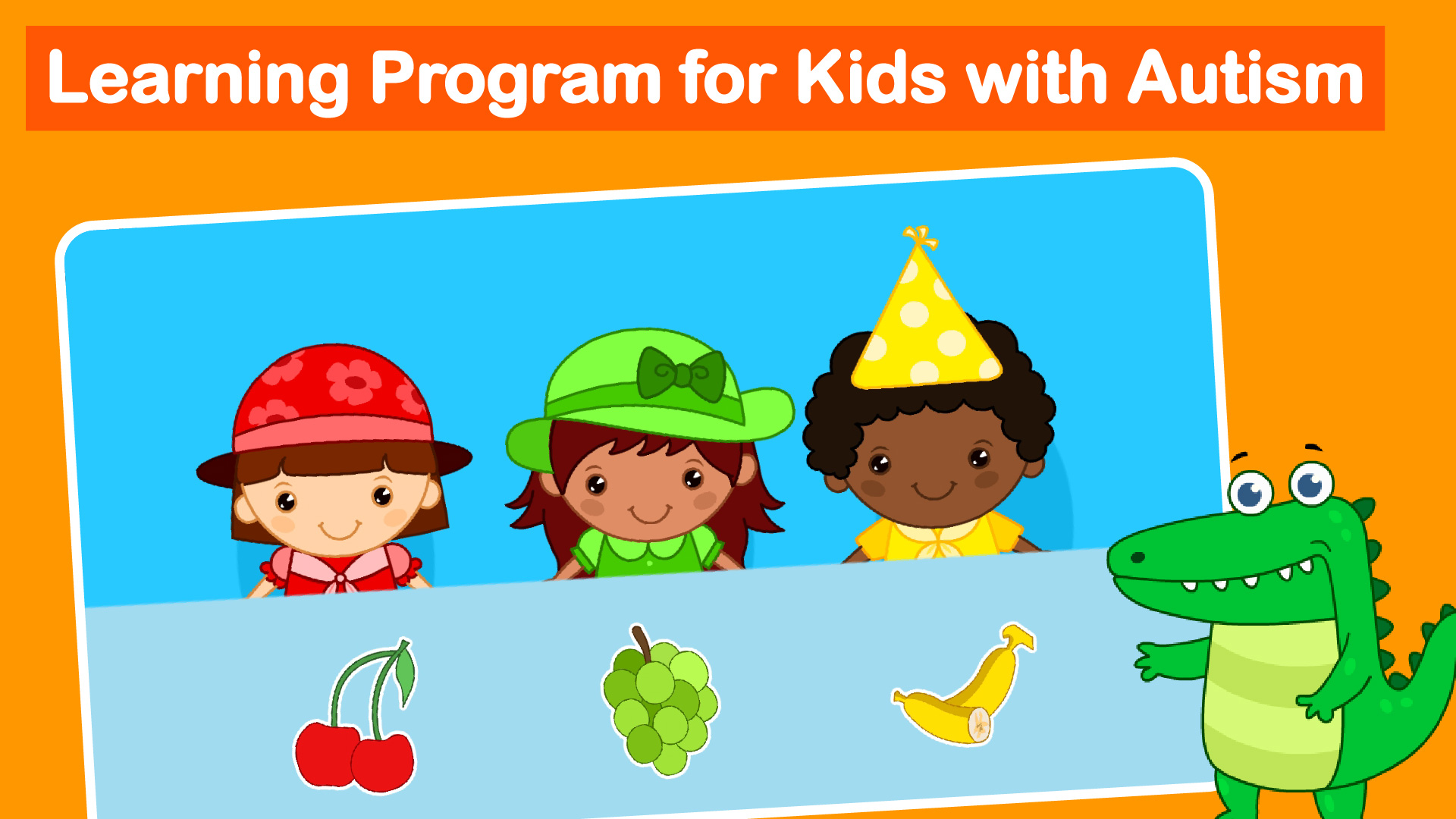
Autistic toddlers often experience the world with heightened sensory input, making traditional learning environments overwhelming or underwhelming. Educational apps, however, offer a controlled yet dynamic space where engagement is not forced but cultivated. The best of these apps leverage gamification—reward systems, progress tracking, and interactive storytelling—to transform passive observation into active participation. Consider an app that introduces colors through a vibrant, tactile interface where each hue triggers a unique sound or animation. For a child who processes visual and auditory stimuli differently, this multi-sensory approach isn’t just engaging; it’s a revelation. The key lies in apps that adapt to the child’s pace, allowing them to explore without pressure, yet gently guiding them toward new discoveries. This isn’t about distraction; it’s about creating a dialogue between the child and the digital world, where every interaction feels like a conversation rather than a lesson.
Moreover, the most effective apps employ a principle known as scaffolding—breaking complex concepts into digestible, incremental steps. A toddler struggling with fine motor skills might begin with an app that uses large, touch-friendly buttons to trace shapes. As confidence grows, the app subtly introduces smaller targets or more intricate patterns. This method mirrors the way a child learns to walk: first with support, then with balance, and finally with independence. The brilliance of these apps is their ability to meet the child where they are, not where a curriculum dictates they should be.

Language Unlocked: Apps That Foster Communication
For many autistic toddlers, language development is a labyrinth of challenges—some find their voice early but struggle with pragmatics, while others remain nonverbal, communicating through gestures or alternative methods. Apps that prioritize communication act as both translators and teachers, bridging the gap between thought and expression. Picture an app that combines picture exchange systems (PECS) with voice output, allowing a child to tap an image of an apple and hear the word spoken aloud. Over time, the app might introduce simple sentences (“I want apple”) or even encourage the child to record their own voice, fostering a sense of agency in communication.
But the magic doesn’t stop at speech. Some apps harness the power of augmentative and alternative communication (AAC) devices, turning tablets into portable, customizable speech generators. These tools aren’t just for nonverbal children; they can also support those who are verbal but struggle with social nuances. An app that simulates conversations—where a child practices turn-taking or responds to simple questions—can demystify the unspoken rules of dialogue. The goal isn’t to replace human interaction but to equip children with the confidence to participate more fully in it. When a toddler who once pointed at objects now uses an app to say “more juice,” the transformation is not just linguistic; it’s life-affirming.
Sensory Symphony: Apps That Harmonize with Unique Perceptions
The sensory world of an autistic child can be a cacophony of overwhelming stimuli or a symphony of subtle, nuanced experiences. Educational apps that cater to sensory preferences—whether hypersensitive or hyposensitive—can turn potential triggers into sources of delight. Apps designed for tactile learners might feature textures that respond to touch, while those for visual learners could use calming, repetitive patterns or vibrant, high-contrast designs. For children who seek movement, apps with gentle animations or cause-and-effect interactions (e.g., tapping a screen to make a ball bounce) provide the stimulation they crave in a structured way.
Consider an app that turns mealtime into a sensory adventure. A child who resists certain foods might use the app to explore textures virtually—squishing a digital banana or poking a virtual piece of bread—before attempting the real thing. The app normalizes the experience, reducing anxiety by making the unfamiliar feel familiar. Similarly, apps that incorporate music or rhythmic patterns can help children with auditory sensitivities gradually acclimate to different sounds. The beauty of these tools lies in their ability to reframe sensory exploration as a joyful, rather than daunting, endeavor.

The Social Script: Apps That Decode Human Interaction
Social interaction is a complex dance, and for autistic toddlers, the steps can feel impossible to follow. Apps that break down social scenarios into bite-sized, predictable chunks offer a lifeline. These tools often use video modeling—showing a child how to wave hello or share a toy through short, clear clips—as a way to teach implicit social rules. Some apps even allow children to practice these skills in a low-stakes virtual environment, where mistakes are opportunities for learning rather than sources of shame.
One particularly innovative approach is the use of social stories within apps. These digital narratives depict everyday situations—like visiting a doctor or playing at the park—and guide the child through the expected behaviors. The stories can be customized to reflect the child’s specific challenges, whether it’s coping with transitions or understanding facial expressions. By seeing the world through a lens tailored to their experiences, autistic toddlers gain a sense of predictability and control, two pillars of emotional security.
But the most transformative apps go beyond rote learning. They encourage children to apply these skills in real time, perhaps by prompting them to initiate a conversation with a sibling or express a need to a caregiver. The app becomes a silent partner in their social development, offering gentle nudges and reinforcements. For parents and educators, these tools provide a window into the child’s progress, highlighting areas of growth and opportunities for further support.
Parental Partnership: Apps That Empower Caregivers
No educational app exists in a vacuum. The most impactful tools are those that extend their benefits beyond the screen, fostering collaboration between child and caregiver. Apps that include progress tracking or activity suggestions for parents turn screen time into a shared experience. Imagine an app that sends a notification: “Today, try using the ‘feelings’ module during snack time to discuss emotions.” This bridges the gap between digital and real-world learning, ensuring that the skills practiced in the app are reinforced in daily life.
Additionally, some apps offer resources for parents, such as guides on interpreting a child’s app interactions or strategies for extending learning offline. These features acknowledge that the parent is the child’s first and most important teacher. By providing tools that align with the app’s philosophy, caregivers can create a cohesive support system that nurtures the child’s development holistically. The message is clear: technology is not a replacement for human connection but a complement to it, amplifying the bond between parent and child.
Beyond the Screen: The Ripple Effect of Digital Learning
The true measure of an educational app’s success isn’t found in its download count or star rating—it’s in the moments it creates. A child who once avoided eye contact now turns to share a laugh over a silly animation. A parent who felt isolated in their journey discovers a community of caregivers through an app’s forum. A toddler who struggled to follow instructions suddenly initiates a game with a sibling, using skills learned from a digital story. These are the ripples that extend far beyond the screen, reshaping not just individual lives but the very fabric of early childhood education.
As we stand on the precipice of a new era in learning, it’s essential to remember that technology is merely a tool—one that holds immense potential when wielded with intention and empathy. The best educational apps for autistic toddlers are not silver bullets; they are invitations. Invitations to explore, to communicate, to connect. They promise not a cure, but a shift—a shift in how we perceive neurodiversity, in how we support our youngest learners, and in how we envision the future of education. For every child who finds their voice, their confidence, or their joy through an app, the world becomes a little more inclusive, a little more understanding, and a lot more vibrant.
In this digital age, the greatest promise of technology isn’t in its ability to distract, but in its power to illuminate. For autistic toddlers, these apps are more than educational tools; they are beacons, guiding the way toward a future where every child’s potential is not just recognized, but celebrated.