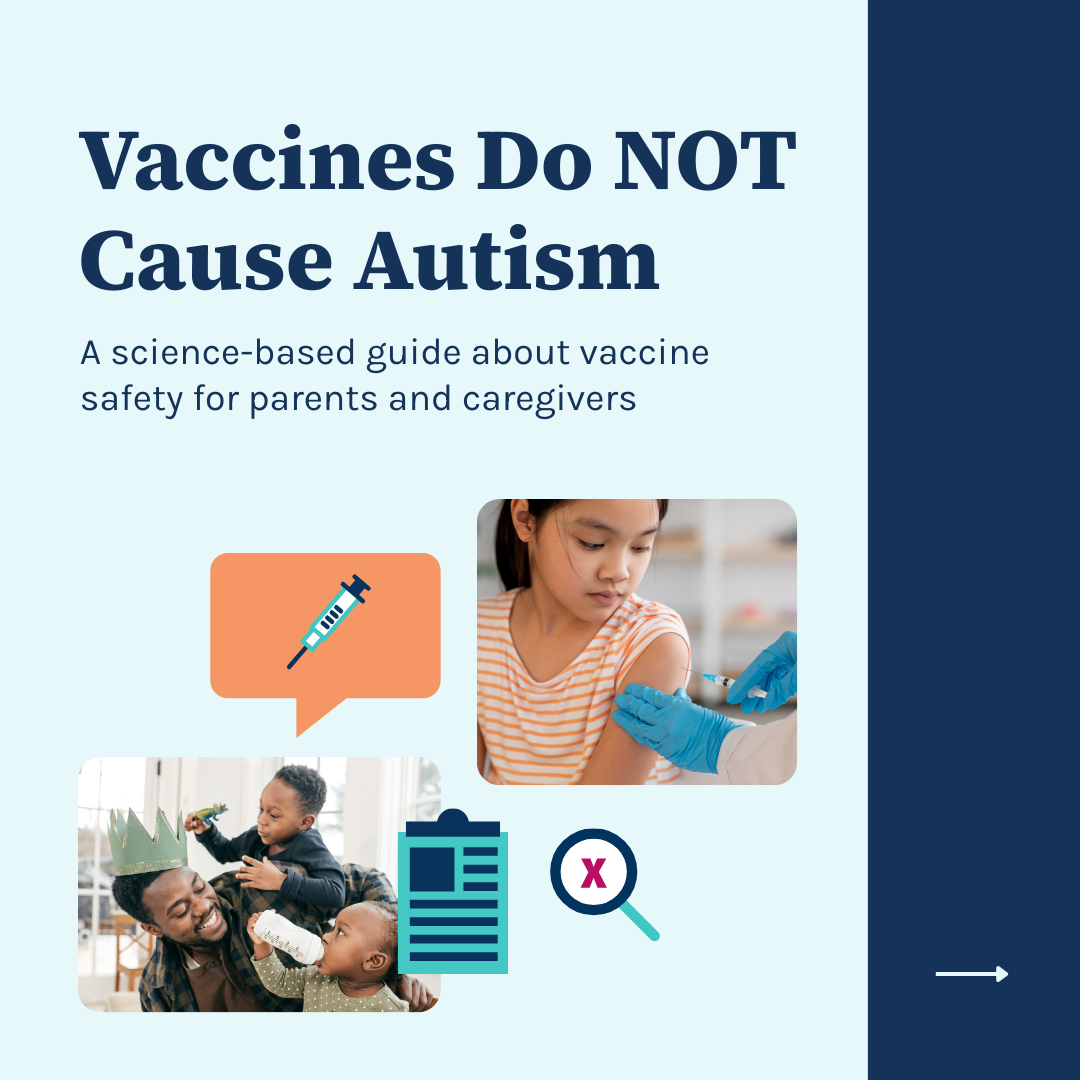
In recent decades, the question “Do vaccines cause autism?” has surfaced repeatedly in public discourse, fueling an enduring controversy. Despite overwhelming scientific consensus to the contrary, concerns persist, sometimes stoking vaccine hesitancy and undermining public health initiatives. To disentangle myth from reality, it is essential to delve into the robust scientific evidence that clarifies this pivotal issue.
Understanding Autism Spectrum Disorder
Autism Spectrum Disorder (ASD) refers to a complex neurodevelopmental condition characterized by challenges in social communication and the presence of restricted, repetitive patterns of behavior. Its etiology is multifactorial and still under rigorous investigation, with genetic predispositions playing a dominant role. Environmental influences also exist but remain largely undefined, and notably, vaccines are not implicated as causative agents.
One important aspect to recognize is that ASD diagnoses typically emerge during early childhood, which sometimes coincides with the schedule of routine childhood vaccinations. This temporal overlap has been erroneously conflated with causation, leading to persistent misconceptions about vaccines.
The Historical Context of the Vaccine-Autism Hypothesis
The narrative linking vaccines to autism gained traction following a controversial and ultimately discredited study published in the late 1990s. This paper, which proposed a correlation between the measles, mumps, and rubella (MMR) vaccine and autism, was later retracted due to methodological flaws, ethical breaches, and unsubstantiated claims.
Since then, the medical and scientific communities have conducted extensive, methodologically rigorous studies examining various vaccines and their safety profiles. Each subsequent investigation has consistently failed to establish any causal association between vaccines and the development of autism.
Scientific Studies Debunking the Myth

Large-scale epidemiological studies constitute the bedrock of evidence addressing this question. For instance, population-wide research encompassing hundreds of thousands of children has demonstrated that vaccination status has no bearing on autism diagnoses. These studies have scrutinized multiple vaccines, including those containing thimerosal, a mercury-based preservative that was speculated to be hazardous but later removed from most vaccines as a precautionary measure.
Such comprehensive analyses account for confounders and biases meticulously, reinforcing the conclusion that vaccines are not etiological factors in autism spectrum disorder.
Mechanistic Insights: Why Vaccines Do Not Induce Autism
At a biological level, the mechanisms involved in autism onset do not align with immunological responses provoked by vaccines. Genetic variations affect neurodevelopment long before immunizations take place. Vaccines, on the other hand, are designed to stimulate specific immune defenses against pathogens without interfering in brain development pathways.
Moreover, immunological science explains that the antigenic components of vaccines are minuscule compared to the multitude of antigens children encounter daily through the environment. The immune system is built to handle these challenges robustly without being overwhelmed or misdirected in a manner that could trigger neurodevelopmental disorders.
Public Health Implications and the Impact of Misinformation
The persistence of vaccine myths has had tangible adverse consequences. Reduced vaccination rates have precipitated outbreaks of previously controlled diseases such as measles and whooping cough, thereby endangering vulnerable populations, including infants and immunocompromised individuals.
Counteracting misinformation requires concerted efforts encompassing transparent communication from trusted authorities, education campaigns that elucidate vaccine science, and addressing public concerns empathetically without dismissiveness. Restoring confidence in vaccines is indispensable to safeguarding communal health.

Conclusion: The Irrefutable Scientific Consensus
The collective scientific evidence resoundingly affirms that vaccines do not cause autism. This consensus is predicated on decades of meticulous research, spanning epidemiology, molecular biology, and immunology. Vaccines remain one of the most effective public health interventions, saving millions of lives annually.
Disentangling fact from fiction is critical. Embracing vaccine science not only protects individual health but also fortifies community resilience against infectious diseases. As the understanding of autism advances, it is paramount to rely on sound scientific inquiry and to resist the allure of unfounded narratives lest public health be compromised.