Autism has often been draped in a veil of misconceptions, much like a dense fog shrouding a labyrinthine forest—obscuring truth and breeding confusion. Understanding what does not cause autism is just as crucial as exploring what factors might contribute to it. Unraveling these myths uncovers clarity and fosters empathy, dismantling baseless fears that have long permeated society. Here, we embark on an insightful journey to debunk the most pernicious myths surrounding autism causation, illuminating a path toward informed awareness.
Vaccinations: Separating Science from Speculation
Among the most persistent myths is the belief that vaccines, particularly the MMR (measles, mumps, and rubella) vaccine, cause autism. This fallacy resembles a shadow cast by misunderstood epidemiological correlations—persistent yet unfounded. Decades of rigorous scientific studies and extensive meta-analyses have consistently demonstrated no causal link between vaccinations and autism spectrum disorder (ASD). The original studies proposing this connection were thoroughly discredited and retracted due to serious methodological errors and ethical breaches.

Vaccinations remain one of public health’s most powerful tools, preventing devastating diseases without causing neurological harm. The myth, fueled by misinformation and fear, obscures this vital truth, contributing to vaccine hesitancy with profound societal consequences.
Parental Behavior: Dispelling Blame and Misconceptions
Another archaic and harmful myth posits that autism stems from parental behavior, particularly maternal coldness or detachment. Such theories evoke imagery of frozen, unyielding ice—detached parents sculpting narratives of blame rather than compassion. Historical psychoanalytic views branded “refrigerator mothers” as the architects of autism, a notion now entirely refuted by contemporary research.
Autism is a neurodevelopmental condition with a complex interplay of genetic and environmental components, none of which implicate parenting style or emotional warmth. Families affected by autism deserve support and understanding—not unjustified guilt rooted in outdated psychoanalytic constructs.
Environmental Toxins: Contextualizing Exposure and Risk
Environmental factors have always held allure as explanatory culprits, with toxins blamed as sinister forces triggering autism. While it is true that prenatal and early-life environmental conditions affect neurodevelopment, no specific toxin has been definitively shown to cause autism on its own. This misconception simplifies a highly intricate biomedical mosaic into an oversimplified narrative.
Many hazardous substances, from heavy metals to industrial chemicals, may impact brain development at certain levels, but current research emphasizes that autism results from a symphony of genetic susceptibilities interacting with myriad environmental influences—not a single villainous toxin.
Diet and Lifestyle Choices: More Myth Than Medicine
Some myths extend into the realm of nutrition and parental lifestyle choices during pregnancy, assigning undue causation to foods, supplements, or maternal habits. The allure of quick and clear answers often leads to oversimplified attributions, such as blaming gluten, vaccines, or even cell phone usage.
While a balanced diet and healthy prenatal care undeniably support fetal development, no scientific body endorses dietary factors or lifestyle choices as direct causes of autism. Rather, these aspects play roles within broader developmental contexts.
Genetic Determinism Versus Misconceptions
Burnished in complexity, the genetic architecture of autism is multifaceted. While genetics contribute substantially to ASD risk, this does not translate into fatalistic predetermination or simplistic heredity myths. The notion that autism is purely genetic is an oversimplification that fails to capture the nuanced interplay between genes and environment.
This misconception can inadvertently foster stigma or false assumptions regarding familial responsibility or predictability of autism, undermining the diversity of individual experiences across the spectrum.
Media Portrayals and the Perpetuation of Falsehoods
The media, with its voracious appetite for sensational headlines, has historically amplified these myths. Comparing such portrayals to distorted reflections in a funhouse mirror is apt; the truth becomes warped, exaggerated, or obscured, distorting public understanding.
Sensationalized reports on autism causes often prioritize anecdote over evidence, thereby perpetuating unfounded fears and erroneous causal attributions. This underscores the imperative for critical consumption of information and reliance on evidence-based discourse.
Charting a Course Toward Clarity and Compassion
Understanding what does not cause autism is an essential compass for navigating the complex reality surrounding this condition. Shattering myths frees individuals and families from the shackles of stigma, guilt, and misinformation, and cultivates a landscape of empathy and informed support.
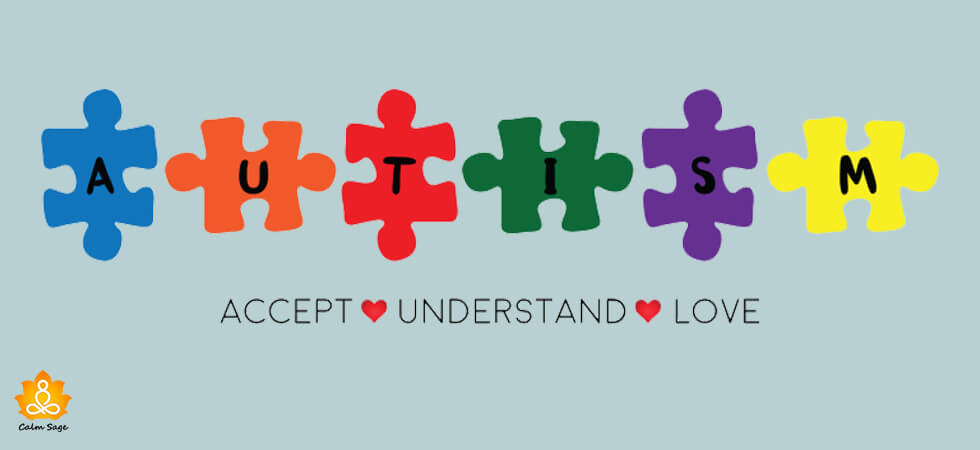
By embracing scientific rigor and rejecting fallacy, society can foster environments where autistic individuals are understood and celebrated—not misunderstood and marginalized. The true causes of autism remain a tapestry of genetic and environmental threads, a mosaic still being explored with nuance and care.
In dispelling falsehoods, we illuminate a clearer path forward—one where myths evaporate like morning mist, leaving behind only truth and the promise of deeper understanding.