In the dynamic environment of a classroom, change can be unsettling for any student; yet for children on the autism spectrum, transitions present a unique set of challenges that extend beyond mere inconvenience. Autism and classroom transitions intersect in ways that profoundly influence a child’s emotional equilibrium and capacity to engage. This essay invites readers to reconceptualize classroom transitions—not as mere procedural intervals, but as pivotal moments rich with potential to either heighten anxiety or foster resilience.
The Crucible of Change: Understanding Transition-Related Anxiety
For neurotypical students, moving from one activity or environment to another often goes unnoticed. In contrast, autistic children frequently experience these shifts as overwhelming disruptions to their sense of predictability and safety. The sensory inputs, altered routines, and social complexities inherent in transitions can culminate in a maelstrom of anxiety. This anxiety is not merely emotional but neurological, rooted in differences in executive functioning and sensory integration. Understanding this crucible reveals why transitions can trigger cognitive overload, manifesting as distress, withdrawal, or behavioral outbursts.

Unveiling Predictability: Structuring Transitions as Anchors of Stability
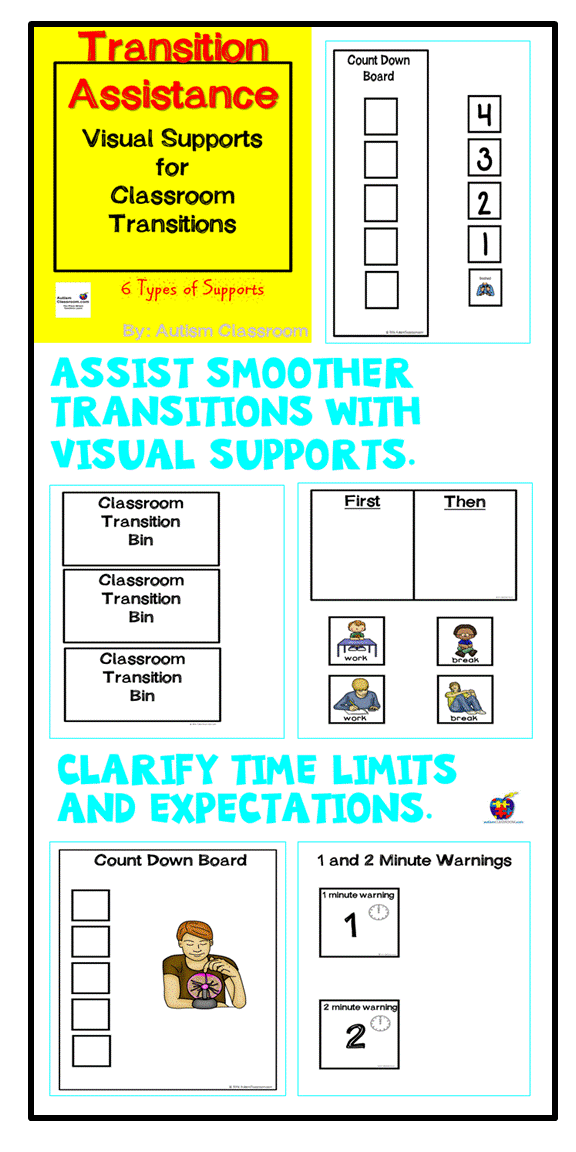
The quintessential promise of easing anxiety around transitions lies in transforming unpredictability into a structured sensory and social experience. Predictability functions as a psychological anchor, offering a scaffold upon which autistic students can rely. Visual schedules, countdown timers, and step-by-step guides do more than communicate what is next—they reframe transitions as anticipated, manageable events. Incorporating clear, consistent cues minimizes cognitive paralysis and reduces the likelihood of emotional escalations. This structural approach cultivates an environment where change itself becomes less a threat and more an expected rhythm.
The Language of Change: Pragmatic Communication Strategies
Effective communication is indispensable in attenuating transition-related anxiety. For many autistic children, nuances in verbal language pose interpretive challenges; instructions or warnings about upcoming changes must be explicit, concrete, and repeated consistently. The use of simple sentences, combined with supportive visuals such as pictograms or social stories, bridges the gap between comprehension and action. Moreover, this strategy fosters autonomy, empowering students to anticipate and prepare for upcoming activities rather than feeling blindsided.
Sensorial Considerations: Mitigating the Overload
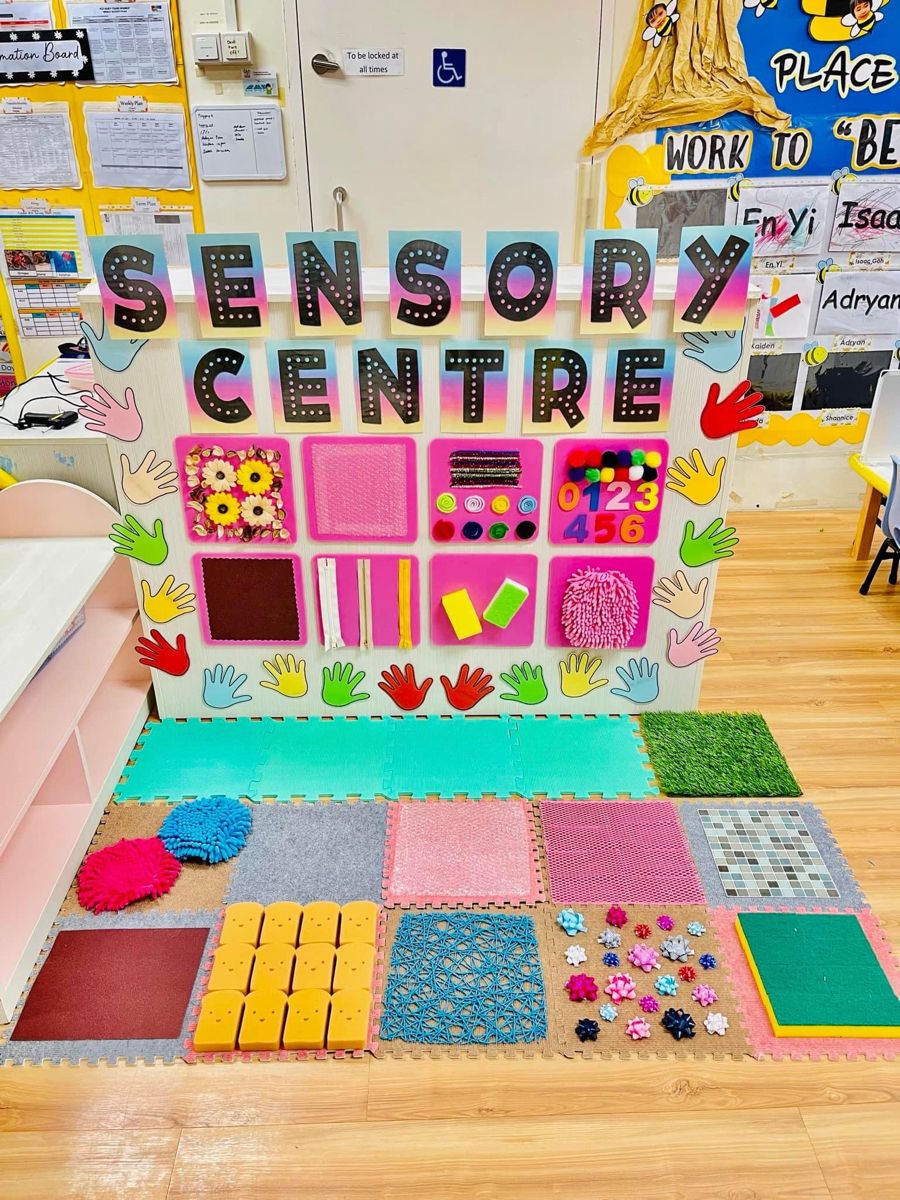
Interwoven with cognitive challenges are sensory sensitivities that frequently exacerbate transition difficulties. The shift from one sensory context to another—bright classrooms to noisy hallways, for example—can overwhelm the sensory processing systems of autistic children. Facilitating sensory-friendly transitions requires a nuanced understanding of individual sensory profiles. Offering quiet zones, weighted vests, noise-canceling headphones, or fidget tools during transition periods can attenuate the sensory barrage. This sensory modulation does not eliminate the challenge of change but equips students with the tools to weather it more comfortably.
Empathy and Empowerment: The Interpersonal Dimension
Beyond structure and sensory accommodations lies the essential element of emotional support. The teacher’s demeanor and classroom culture resonate deeply with students navigating transitions. Empathetic acknowledgment of anxiety validates the child’s experience. When educators model patience and provide reassurance, they cultivate a more trusting, secure environment. Additionally, involving students in transition planning fosters self-regulation and a sense of ownership, turning transitions from stressors into opportunities for growth. This effort humanizes transitions, weaving them into the fabric of social-emotional learning.

Beyond the Classroom: Preparing for Lifelong Navigation of Change
The benefits of effectively managing transitions extend well beyond the academic setting. Navigating change is an omnipresent human experience—whether moving between jobs, homes, or relationships. Early intervention in honing transition skills equips autistic individuals with adaptive strategies that reverberate throughout life. The classroom, thus, becomes an incubator for critical life skills: flexibility, anticipation, and emotional regulation. Understanding this broader context inspires educators and caregivers to adopt far-sighted approaches, emphasizing resilience rather than mere compliance.
Innovative Tools and Approaches: The Frontier of Transition Support
Contemporary advancements offer promising avenues for supporting transitions in autism. Technology-driven tools such as bespoke apps, interactive schedules, and virtual reality simulations create immersive, engaging ways to rehearse and normalize change. Furthermore, multi-disciplinary collaboration involving occupational therapists, speech-language pathologists, and behavioral experts enriches the support ecosystem. These innovations herald a paradigm shift: from reactive management of transition anxiety toward proactive, anticipatory frameworks that empower autistic students to navigate complexity with confidence.
As this exploration reveals, classroom transitions, once viewed as mere logistical hurdles, can be reimagined as critical junctures laden with opportunities. By embracing structure, communication, sensory accommodation, emotional empathy, and innovative intervention, educators and caregivers can attenuate the pervasive anxiety experienced by autistic students. This shift in perspective promises more than alleviation of discomfort—it unlocks potential, inviting every child to stride confidently through the ever-changing landscape of learning.