Embarking on the journey of college is akin to setting sail across an uncharted ocean, with its shimmering horizons and concealed depths. For students on the autism spectrum, this voyage embodies not only a pursuit of academic excellence but also the navigation of a complex social and sensory landscape. With thoughtful preparation and mindful strategies, the vast collegiate expanse transforms from an intimidating abyss into a realm of opportunity and self-discovery.
Understanding the Unique College Experience for Autistic Students
College is often framed as a rite of passage, marked by intellectual awakening and newfound independence. However, for autistic students, this passage involves a distinctive interplay of strengths and challenges. Sensory sensitivities can transform crowded lecture halls into overwhelming arenas, while social nuances within dormitories and classrooms might resemble enigmatic riddles. Recognizing these unique facets is pivotal. It encourages a tailored approach to academic life that capitalizes on individual talents while providing scaffolding for areas of difficulty.

Building a Framework of Support: Resources and Accommodations
Success in college hinges on the establishment of a robust support network. Disability services offices serve as vital lighthouses, guiding students toward essential accommodations. These may include extended time on exams, note-taking assistance, and quiet testing environments — each designed to offset sensory or cognitive difficulties. Proactive communication with instructors and advisors ensures that academic expectations are aligned with personalized needs, fostering an environment where potential flourishes unfettered.
Equally important is cultivating peer support circles or mentorship programs that offer social engagement through a lens of understanding and empathy. These communities provide safe harbors amid the stormy seas of social interactions, allowing connections to be formed at a comfortable pace.
Mastering Time Management and Organizational Skills
Here, time morphs into a formidable yet conquerable adversary. The sprawling demands of college—assignments, lectures, extracurriculars—can blur into a chaotic vortex. Students on the spectrum often benefit interminably from regimented routines and visual schedules that distill complexity into manageable segments. Utilizing planners, digital calendars, or task management applications acts as an anchor, ensuring deadlines remain visible and commitments manageable.
Moreover, breaking down larger projects into incremental tasks mitigates overwhelm and cultivates a sense of incremental achievement. This granular approach to productivity transcends mere timekeeping; it fosters autonomy and self-efficacy—two cornerstones of collegiate triumph.
Sensory Strategies: Crafting a Comfortable Environment
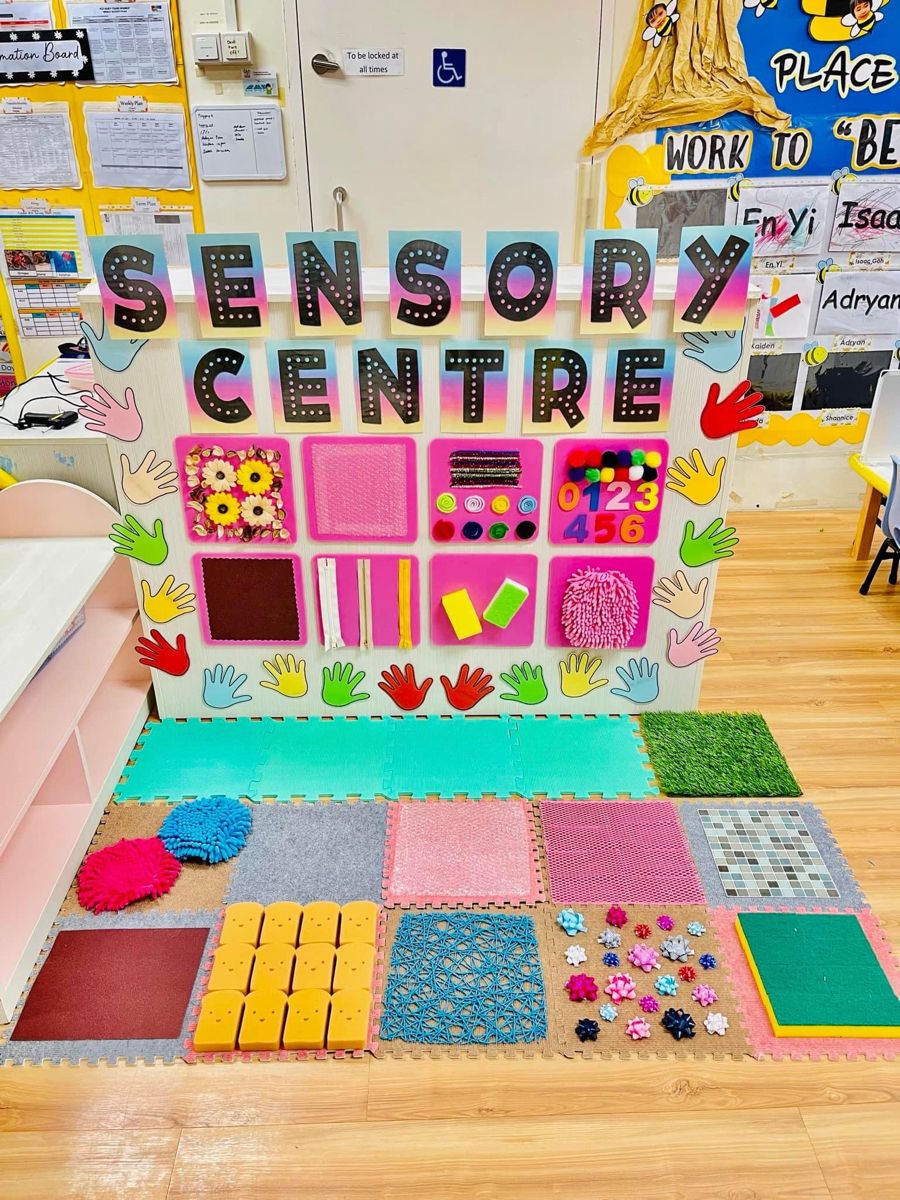
One of the more intangible yet profoundly influential factors in college success is the management of sensory stimuli. The cacophony of bustling campuses, fluorescent lighting, and crowded cafeterias can erode focus and elevate anxiety. Empowering students with sensory modulation strategies is essential.
This might involve selecting dormitory rooms with minimal sensory triggers or equipping personal spaces with noise-canceling headphones and weighted blankets. Scheduled breaks in quiet areas provide respite and recalibration. These measures transform sensory vulnerability into manageable variables, allowing cognitive resources to be channeled into learning and growth.

Social Navigation: Cultivating Meaningful Interactions
Interpersonal dynamics in college can resemble an intricate dance, choreographed by unwritten social rules and fluid expectations. For autistic students, deciphering this choreography requires intentionality and support. Social skills workshops, facilitated by counselors or peer mentors, demystify social cues and encourage adaptive communication strategies.
Engaging in interest-based clubs or organizations provides organic avenues for connection, where shared passions eclipse social awkwardness. These environments foster genuine friendships and a sense of belonging, pivotal elements for mental health and academic motivation alike.
Embracing Strengths: Leveraging Unique Abilities for Academic Success
Autistic students frequently possess remarkable strengths such as intense focus, exceptional pattern recognition, and a passionate commitment to specialized interests. These attributes can become formidable academic assets when harnessed effectively. Encouraging self-advocacy empowers students to align coursework and research projects with their intrinsic interests, enriching the educational experience.
Faculty members who recognize and nurture these strengths contribute immeasurably to student success, reinforcing the profound potential within neurodivergent minds.
Maintaining Mental Health: Strategies for Resilience
College life can stir emotional turbulence for any student, and autistic individuals may experience heightened vulnerability to stress, anxiety, or depression. Embedding resilience-building practices into daily routines is paramount. Mindfulness exercises, structured physical activity, and accessible counseling services form a trifecta of mental well-being supports.
Establishing predictable schedules and cultivating mindfulness helps anchor students during periods of volatility. Furthermore, fostering open dialogues about mental health within campus communities reduces stigma and encourages timely help-seeking.
Conclusion: Charting a Course Toward Empowerment
The collegiate journey for autistic students is a mosaic of challenges and triumphs, demanding an astute synthesis of preparation, support, and self-awareness. Through tailored accommodations, strategic time management, sensory regulation, and social empowerment, the seemingly boundless ocean of college becomes a navigable sea. This transformative passage not only equips students with academic credentials but also cultivates resilience, confidence, and a vibrant sense of identity. With each wave surmounted, students chart a course toward lifelong success, illuminated by their unique strengths and unyielding spirit.