Have you ever wondered how the intersection of autism and trauma might challenge even the most seasoned caregivers? Navigating the complexities of trauma-informed care within the autistic community is an intricate dance—one that demands not just empathy, but a nuanced understanding of neurodiversity and emotional resilience. How do we craft environments that truly foster healing when conventional therapeutic models often overlook the unique manifestations of trauma in autistic individuals? This compelling question ushers us into a vital exploration of best practices in autism and trauma-informed care.
Understanding the Dual Landscape: Autism and Trauma
Autism Spectrum Disorder (ASD) presents a constellation of neurodevelopmental traits—communication differences, sensory sensitivities, and atypical social interactions. Overlaying trauma on this spectrum introduces layers of complexity, primarily because traditional expressions of distress may diverge widely from neurotypical presentations. Trauma in autistic individuals is frequently overlooked or misdiagnosed due to overlapping behavioral manifestations such as withdrawal, increased repetitive behaviors, or meltdowns. Recognizing that trauma can exacerbate sensory processing difficulties or social anxiety is crucial for effective intervention.
Trauma can stem from a range of experiences: bullying, abuse, medical trauma, or chronic invalidation. The core challenge lies in discerning trauma-related behaviors from baseline autistic traits, a task that demands clinicians and caregivers exercise both rigor and perceptivity. Only through this prism can trauma-informed care be authentically responsive to the needs of autistic individuals.
Principles of Trauma-Informed Care Adapted for Autism
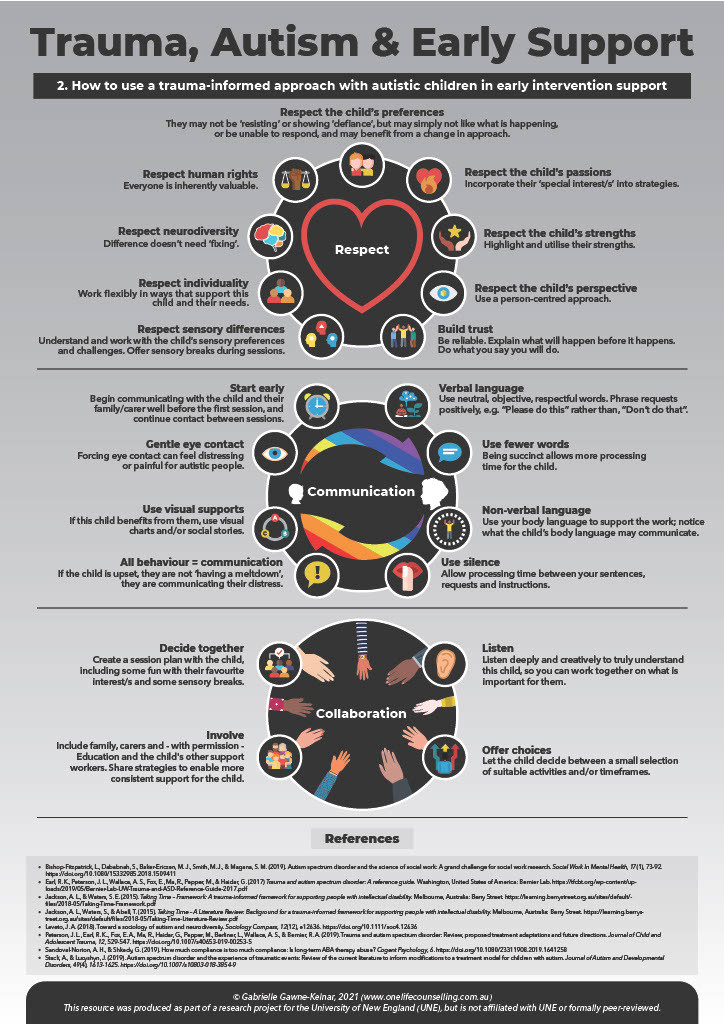
At its heart, trauma-informed care is predicated on the principles of safety, trustworthiness, choice, collaboration, and empowerment. However, these foundational pillars must be recontextualized when applied to autistic individuals.
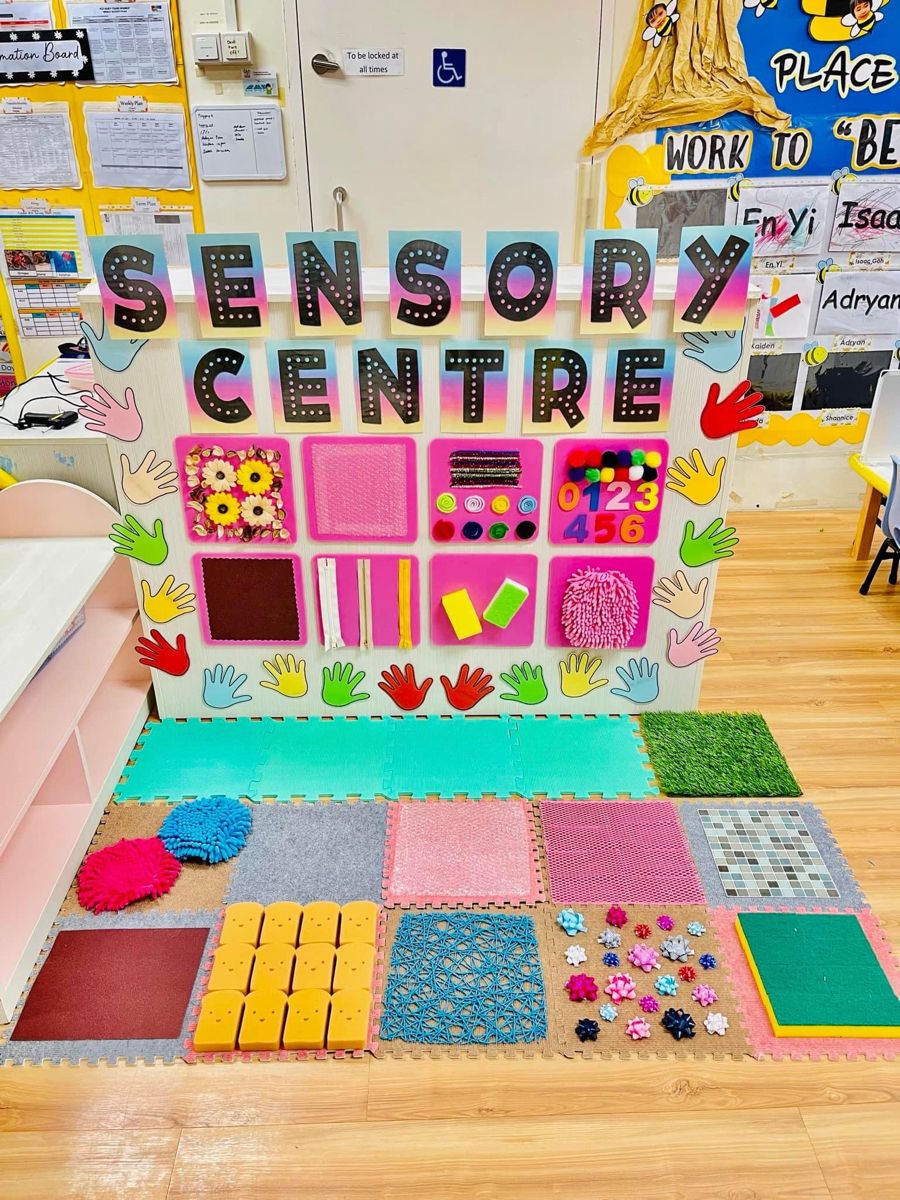
Safety extends beyond physical security—it encompasses sensory and emotional safety. Autistic individuals often experience hyper- or hypo-sensitivities to stimuli, making traditional clinical settings overwhelming. Minimizing environmental triggers such as bright lights, loud sounds, or unpredictable routines enhances feelings of safety. Trustworthiness becomes a function of predictability and consistency. Clear communication, often through visual supports or augmentative communication devices, fortifies this trust.
Choice and collaboration translate into respecting the individual’s autonomy in decision-making. Autistic voices must be amplified in care planning, acknowledging their agency even when communication is nonverbal or unconventional. Empowerment emerges when caregivers and professionals validate lived experiences and prioritize personalized coping strategies.
Tailoring Interventions: Sensory Processing and Communication
Sensory processing differences are a hallmark of autism and intimately intertwined with trauma responses. For instance, what might be perceived as a “tantrum” could be a sensory overload triggered by traumatic memories or environmental stimuli reminiscent of adverse events. Hence, interventions must be meticulously individualized, incorporating sensory modulation techniques such as weighted blankets, noise-cancelling headphones, or proprioceptive activities that instill calm.
Communication strategies must transcend traditional verbal frameworks. Incorporating picture exchange communication systems (PECS), sign language, or technology-assisted communication tools allows the individual to express distress or seek support effectively. These modalities foster an environment where autistic individuals can articulate their needs without the pressure of conforming to neurotypical communication norms.

Challenging Conventional Therapeutic Approaches
Conventional trauma therapies, such as Cognitive Behavioral Therapy (CBT), often rely heavily on verbal introspection and abstract reasoning—modalities that may not resonate with many autistic individuals. Best practice necessitates adaptation, integrating visual aids, concrete examples, and behavioral interventions tailored to neurodiverse thinking patterns.
Moreover, the therapeutic alliance must account for the unique social cognition of autistic individuals. Building rapport might require more time and innovative engagement strategies. Therapists may employ art, music, or movement therapies to circumvent verbal limitations and enable emotional expression. Importantly, care providers must maintain flexibility and patience, embracing a longitudinal, relationship-centered approach rather than short-term symptom management.
Supporting Caregivers and Educators: Creating Holistic Support Systems
Families, educators, and caregivers hold pivotal roles in implementing trauma-informed practices. Often, they are the frontline observers of behavioral shifts indicating trauma and catalysts for early intervention. Equipping these stakeholders with knowledge and resources enhances the overall ecosystem of support.
Training programs should focus on identifying trauma symptoms beyond surface behaviors, understanding sensory sensitivities, and implementing de-escalation techniques that avoid retraumatization. For educators, embedding trauma-informed principles into classroom management can transform educational experiences, fostering inclusivity and emotional safety.

Legal and Ethical Considerations
Trauma-informed care within the autistic community also intersects with crucial ethical and legal dimensions. Recognizing autistic individuals’ rights to autonomy and dignity underlines every intervention. Consent processes must be adapted to ensure comprehension and voluntary participation, employing supported decision-making frameworks where necessary.
Additionally, systemic inequities that disproportionately affect autistic people of color or those with intersecting marginalized identities warrant attention. Trauma-informed care must be culturally competent, recognizing how societal oppression compounds trauma and shapes access to services.
Moving Forward: Research and Innovation
The evolving nature of trauma-informed care in autism beckons ongoing research and innovation. Emerging studies emphasize neurobiological underpinnings of trauma responses in autistic individuals, inspiring novel interventions that marry neuroscience with lived experience. Digital therapeutics, virtual reality environments for safe exposure, and community-based participatory approaches exemplify this progressive trajectory.
Embedding autistic voices at all stages of research and intervention design is paramount, ensuring practices remain authentic and efficacious. As our understanding deepens, so does the potential to dismantle barriers and cultivate truly healing environments.
In sum, integrating trauma-informed care within the context of autism is a multidimensional endeavor marked by challenges and profound opportunities. By embracing individualized approaches that honor sensory processing, communication diversity, and the sanctity of trust and safety, caregivers and professionals can foster resilience and well-being in profoundly meaningful ways.