In a world saturated with overwhelming stimuli, the gentle refuge provided by noise-canceling headphones transcends mere auditory improvement—it becomes a sanctuary, especially for individuals with autism. The quest to identify the best noise-canceling headphones for autism unveils not only technological marvels but also a profound shift in understanding sensory sensitivities and the transformative potential of sound control. This exploration promises to recalibrate perspectives, inviting curiosity to delve deeper into how tailored auditory environments can profoundly enhance daily life.
The Significance of Noise-Canceling Headphones in Autism
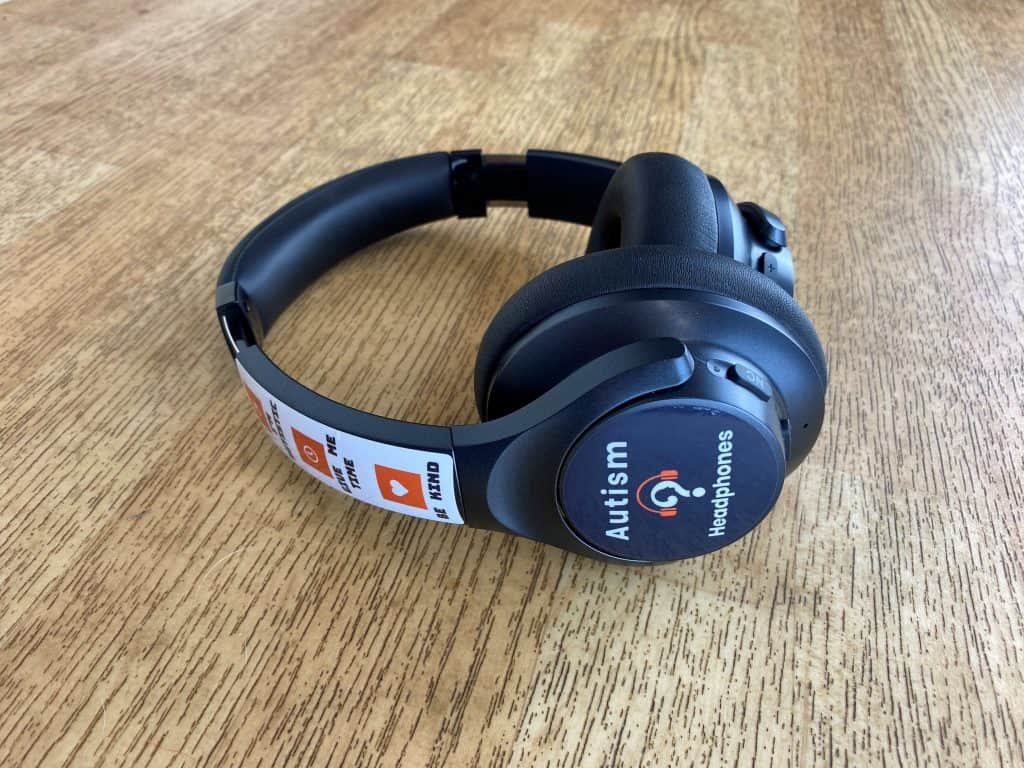
For many on the autism spectrum, sensory sensitivity is an omnipresent challenge. Everyday sounds, often unnoticed by neurotypical individuals, can emerge as distressing, jarring intrusions. This heightened auditory sensitivity leads to sensory overload, anxiety, and a subsequent retreat from engagement. Noise-canceling headphones offer a deliberate and potent tool for mitigating these stimuli, providing a controlled auditory space that facilitates focus, calm, and emotional regulation. These devices do more than mute the world—they craft a protective auditory cocoon, fostering neurodivergent individuals’ ability to navigate complex environments with confidence and comfort.

Technological Foundations: How Noise Cancellation Works
Understanding the science behind noise cancellation elucidates why these headphones are uniquely beneficial. At their core, noise-canceling headphones employ active noise control technology. Built-in microphones detect ambient noise, and the headphones generate inverse sound waves, effectively nullifying undesirable sounds through destructive interference. This sophisticated process not only diminishes persistent background noise, like hums and chatter, but also filters out sudden, shrill sounds that can provoke distress.
Many models blend active noise cancellation (ANC) with passive noise isolation—using high-quality materials and ergonomic designs to block sound physically. When combined, these technologies create a comprehensive shield against the cacophony of everyday life, offering a seamless auditory experience that can be personalized according to individual preferences and sensitivities.
Key Features to Consider for Autism-Specific Needs
Selecting the optimal noise-canceling headphones transcends mere technical specifications. It demands an empathetic understanding of the unique sensory profiles that define autism. Here are some pivotal considerations:
- Comfort and Fit: A lightweight design with soft, breathable ear cushions prevents discomfort during extended wear—a crucial factor for individuals who may have tactile sensitivities.
- Adjustable Noise Cancellation: The ability to calibrate noise reduction intensity empowers users to tailor environmental sound levels to their comfort zones.
- Durability: Robust construction ensures longevity, acknowledging that some users may require sturdy gear able to withstand frequent handling.
- Wireless Capability: Eliminating wires minimizes entanglement risks and enhances freedom of movement—a subtle yet impactful aspect for sensory regulation.
- Battery Life: Prolonged use without frequent recharging is indispensable, particularly during outings or school activities.
Prominent Models That Marry Innovation with Inclusivity
Within the realm of noise-canceling headphones tailored or suited for autistic individuals, certain models rise above the rest, merging cutting-edge technology with thoughtful design:
- SoundCore Life Q20: Known for its exceptional active noise cancellation and plush comfort, this model offers customizable soundscapes, which can be soothing for auditory hypersensitivity.
- Bose QuietComfort 45: Pioneering excellence in noise cancellation, Bose combines a gentle fit with intuitive controls, ensuring ease of use even for those unfamiliar with advanced audio devices.
- Puro Sound Labs BT2200: Specifically designed with children’s hearing and comfort in mind, this model safeguards sensitive ears through volume limitation while delivering fine noise cancellation.
These models underscore the expansive possibilities when innovation is steered by empathy, stimulating a new epoch of assistive technology that respects and amplifies neurodivergent experiences.

The Psychological and Developmental Impacts
Beyond their mechanical prowess, noise-canceling headphones signal a quieter mind—a gateway to psychological equilibrium. Mitigating abrupt auditory disruptions diminishes anxiety levels, reducing neurophysiological stress responses. This alleviation can manifest in improved attention spans, smoother social interactions, and enhanced learning capacities.
Furthermore, by granting individuals autonomy over their sensory environments, these devices foster a sense of control and self-efficacy—critical components in developmental trajectories. The ability to choose when and how to engage with the auditory world not only respects individual boundaries but also opens avenues for growth, communication, and inclusion.
Integrating Noise-Canceling Headphones into Everyday Life
The efficacy of noise-canceling headphones reaches its zenith when seamlessly woven into daily routines. Whether in educational settings, social outings, or moments of focused work, their presence can recalibrate an overwhelming sensory landscape into a more approachable and serene one.
Practitioners and caregivers can facilitate this integration through gradual acclimatization strategies—introducing the headphones in low-stakes environments before progressively deploying them in more challenging auditory contexts. This adaptability enhances acceptance and maximizes the utility of the technology.
Future Horizons: What’s on the Horizon for Autism-Friendly Audio Technology?
The intersection of neuroscience, audiology, and wearable technology promises continued evolution. Future models may harness artificial intelligence to dynamically adapt noise cancellation patterns based on real-time sensory input and emotional states. Innovations such as haptic feedback, biometric monitoring, and customizable sound therapies could further personalize the auditory experience, enhancing therapeutic outcomes.
Such developments portend a future where auditory technologies evolve from passive blockers to active facilitators of sensory harmony—empowering individuals with autism to thrive unshackled by the challenges of overwhelming noise.

In essence, the best noise-canceling headphones for autism are more than gadgets—they are gateways to altered realities, crafting spaces where sound sculpts comfort rather than chaos. They invite us to reconsider the auditory world through a lens that values quietude, agency, and neurodiversity. As technology advances, so does the promise of inclusivity and empowerment, casting a hopeful light on the acoustic horizons yet to be explored.