Among the many activities recommended for child development, swimming emerges as a particularly beneficial yet complex pursuit for children with autism. A frequent observation among caregivers and instructors is the profound fascination many children on the autism spectrum exhibit toward water. This deep attraction often transcends mere enjoyment, revealing nuanced sensory and emotional undercurrents. Understanding this dynamic is paramount for designing swimming lessons that not only foster safety but also harness the therapeutic potential of aquatic environments.
The Captivating Allure of Water: Sensory and Emotional Underpinnings
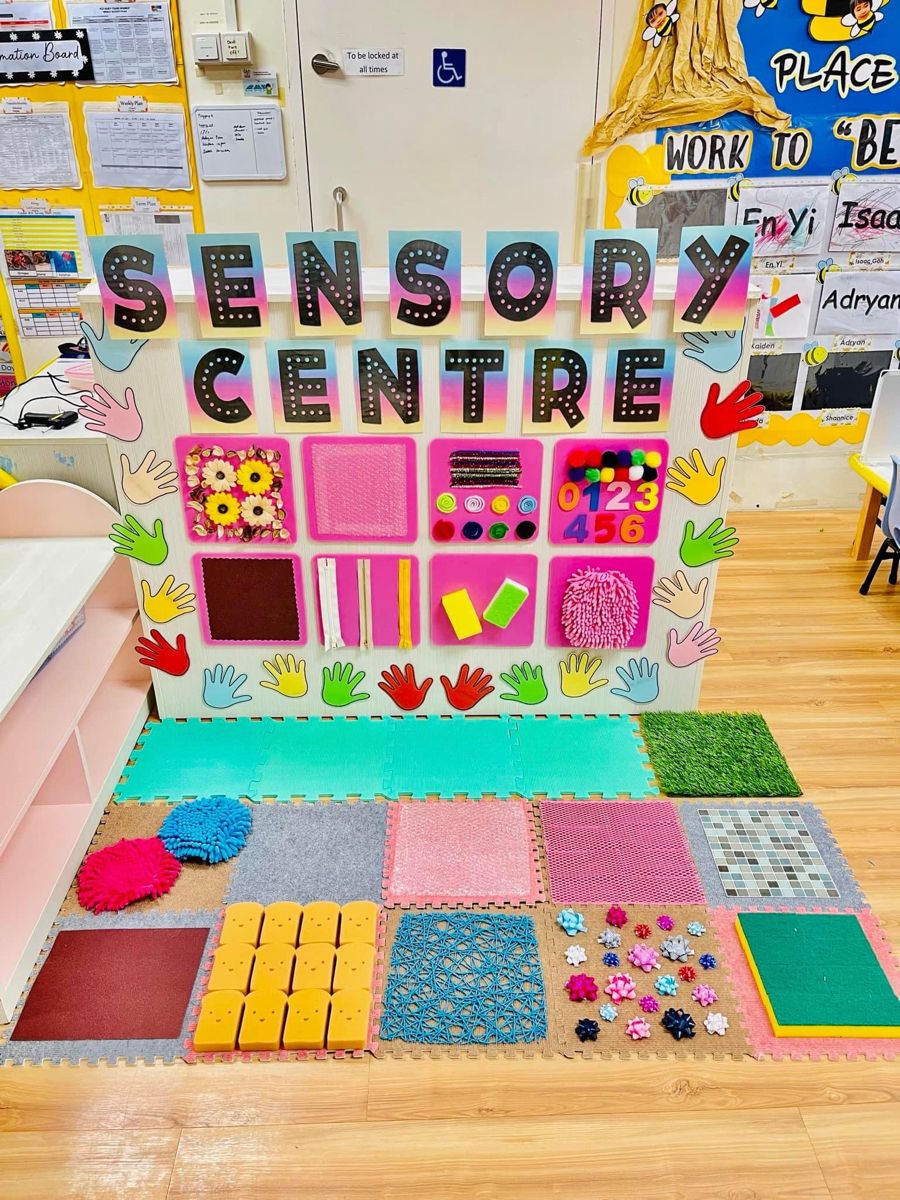
The sensory experience offered by water is uniquely multifaceted. For many children with autism, traditional sensory inputs—like loud noises or bright lights—are overwhelming, while the immersion provided by water creates an enveloping and calming sensory cocoon. This phenomenon often manifests as an intense fixation on water-related activities, which is not merely a preference but can be a self-regulatory strategy.
Water’s consistent pressure and buoyancy offer proprioceptive and tactile feedback that can satisfy a child’s sensory cravings. Moreover, the rhythmic motion of swimming or floating can engage vestibular senses, contributing to emotional equilibrium. This deeper sensory synergy partly explains why children on the spectrum may display an exceptional affinity for aquatic environments, sometimes preferring water to typical play spaces.

Safety Imperatives: Navigating Risks with Preparedness and Protocols
Despite the allure of water, it also presents inherent risks—risks that are amplified for children with autism who may exhibit impulsivity, limited communication abilities, or atypical responses to emergency situations. Structured and vigilant safety protocols become non-negotiable components of any swimming program.
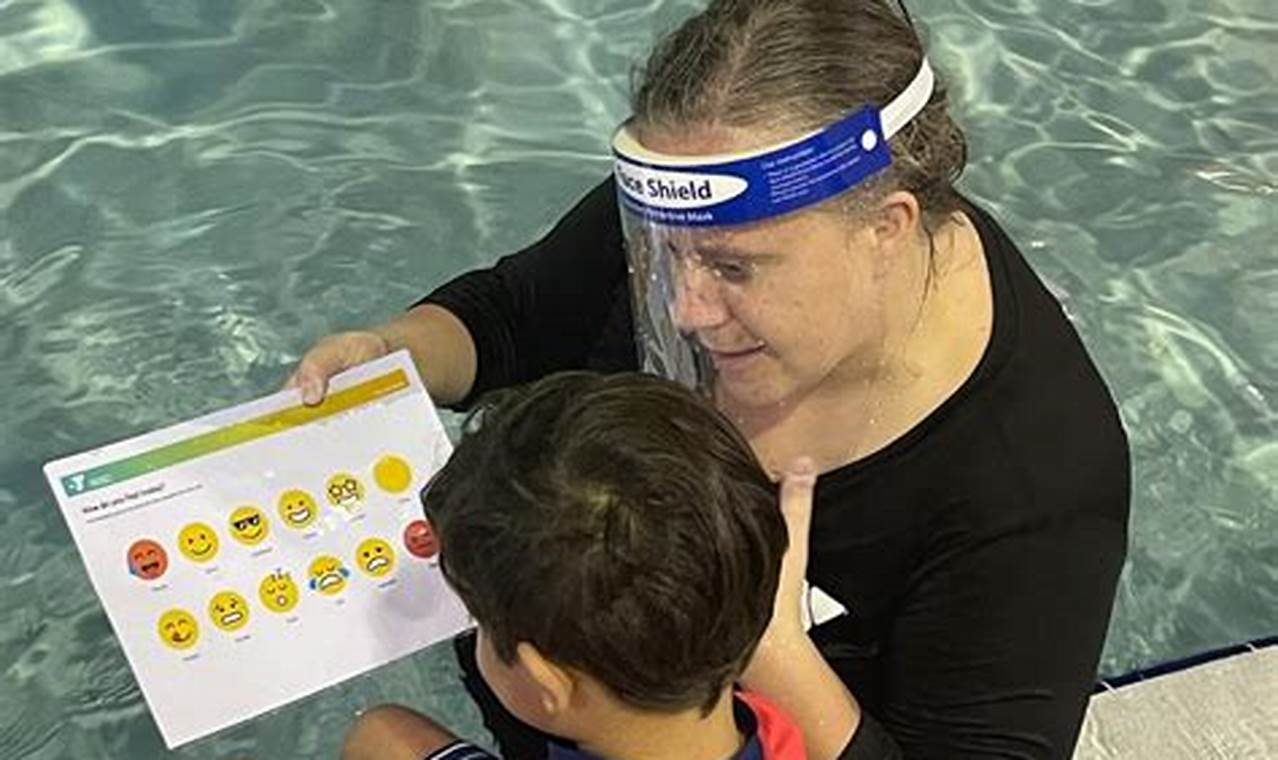
One foundational strategy is the implementation of low student-to-instructor ratios, facilitating personalized attention and rapid intervention. Additionally, instructors must be conversant with emergency protocols tailored to children with sensory sensitivities or communication challenges. Visual aids and non-verbal cues can be powerful tools in reinforcing safety instructions and preventing accidents.
Environmental modifications further bolster safety. For instance, minimizing auditory clutter, restricting access to pool perimeters when unsupervised, and maintaining predictable routines can significantly reduce anxiety and impulsive behavior. Group lessons should be designed to prevent overstimulation while encouraging socialization and cooperative engagement.
Adaptive Instructional Techniques: Accommodating Sensory Needs
Delivering swimming lessons effectively to children with autism demands an adaptive approach that respects individual sensory thresholds and learning modalities. Traditional swimming classes often fail to accommodate the unique sensory profile presented by autism, requiring tailored pedagogical strategies.
For example, using gradual water exposure techniques allows learners to acclimate to the aquatic environment at their own pace, mitigating distress. This phased immersion can begin with activities outside the pool—such as water play at the poolside—before progressing to entering the water. Sensory-friendly equipment, like soft whistles or silent signaling devices, substitutes for potentially jarring auditory cues.
Positive reinforcement anchored in clear, consistent feedback reinforces progress while maintaining motivation. Visual schedules and step-by-step demonstrations cater to children who thrive with predictable structures and visual learning aids. The presence of a familiar caregiver or therapist during lessons can also streamline transitions and enhance comfort.
Psychosocial Benefits: More Than Physical Skills
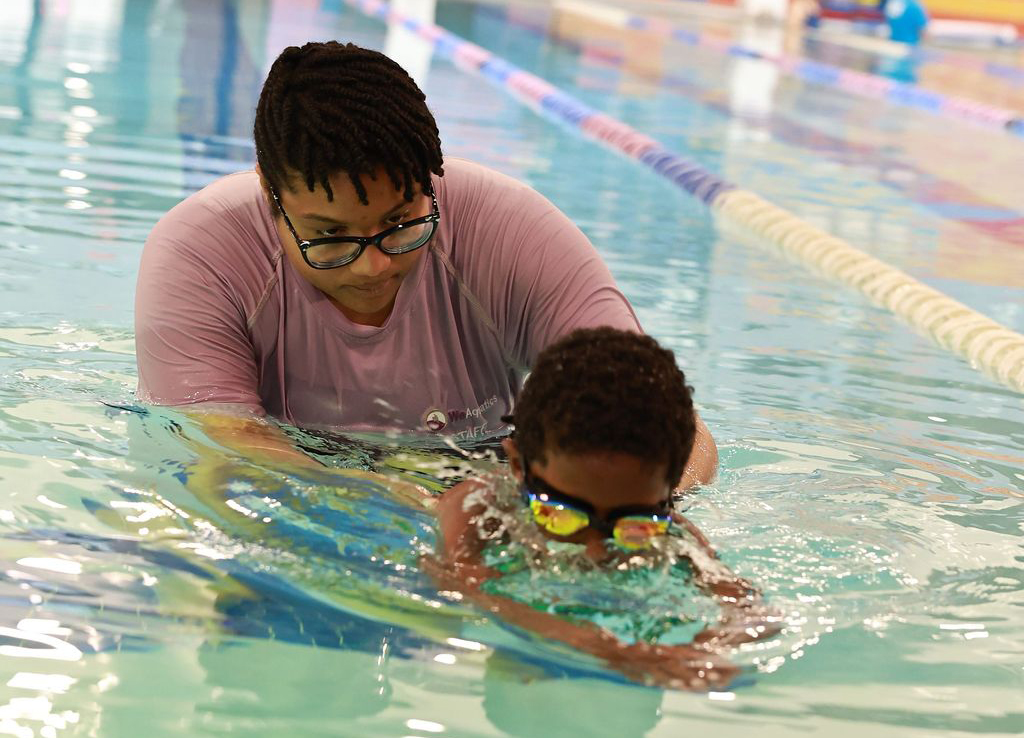
Swimming is not merely a physical activity—it is a multifaceted modality that can promote psychosocial development in children with autism. Engaging in swim lessons often fosters trust-building between the child and instructor, which is critical given the social communication challenges intrinsic to autism spectrum disorder.
Moreover, aquatic environments provide opportunities for social interaction in a controlled setting. Whether through group lessons or recreational play, children can practice turn-taking, eye contact, and other social nuances within sensory parameters that are less overwhelming than traditional playgrounds. The accomplishment of new skills in swimming also elevates self-esteem and encourages resilience.
These psychosocial advances often carry over beyond the pool, manifesting in improved confidence and stress reduction in daily life.
Implementing Strategies at Home and in the Community
Extending swimming safety and sensory awareness beyond formal lessons ensures comprehensive protection and enrichment. Parents and caregivers are encouraged to institute water safety rules at home, such as constant supervision, pool fencing, and teaching children to alert adults if they feel overwhelmed or disoriented near water.
Community pools and aquatic centers can contribute by offering autism-trained staff, sensory-friendly swim times, and water safety workshops tailored to this population. Collaborative efforts between therapists, families, and aquatic professionals amplify efficacy, ensuring lessons are extensions of the child’s broader therapeutic and developmental goals.
Conclusion: Embracing Water’s Therapeutic Potential Responsibly
Swimming lessons designed with safety and sensory needs at their core unlock transformative possibilities for children with autism. Recognizing the profound allure water holds for many on the spectrum invites a paradigm that leverages sensory engagement while meticulously safeguarding physical welfare.
In this delicate balance between fascination and safety, swimming becomes more than an aquatic skill; it is a conduit for confidence, sensory integration, and joyous exploration. Thoughtful adaptation and steadfast vigilance pave the way for children with autism to not only stay safe but to thrive in the water’s embrace.