Managing a diverse workforce demands a nuanced understanding of individual differences, particularly when supporting autistic employees. A common observation in the modern workplace is the intense focus or specialized interests autistic individuals bring to their roles. This fascination often transcends mere preference, operating as a vital cognitive mechanism that fuels exceptional attention to detail and innovation. Appreciating this depth of engagement is pivotal for managers aiming to harness the unique strengths of autistic colleagues while fostering an inclusive and supportive environment.
Understanding the Autistic Experience in the Workplace
Autism spectrum disorder (ASD) is characterized by a constellation of traits that influence communication, sensory processing, and social interaction. However, these traits do not define the person’s professional capabilities. Rather, they highlight the need for tailored supports that respect neurodiversity. Many autistic employees exhibit an extraordinary proclivity for pattern recognition, memory retention, and logical reasoning. Recognizing these attributes as assets—not impediments—is essential. When managers grasp the underlying reasons behind an autistic employee’s focused interest, it allows for structured accommodations that optimize productivity and job satisfaction.

Creating Clear and Consistent Communication Channels
One of the fundamental challenges autistic employees may face is navigating ambiguous workplace communications. Abstract instructions or unstructured feedback can be sources of anxiety or confusion. Managers must endeavor to cultivate clarity by providing explicit, written guidance and concrete examples whenever possible. Regular check-ins and the use of preferred communication methods—be it email, instant messaging, or face-to-face discussions—can bridge potential gaps. This attentiveness not only minimizes misunderstandings but also fosters an atmosphere of trust and transparency.
Implementing Reasonable Adjustments and Accommodations
Reasonable accommodations are not extraordinary favors; rather, they are pragmatic modifications that enable autistic employees to perform at their best. Such adjustments might include flexible work hours, noise-cancelling headphones to mitigate sensory overload, or designated quiet zones. Additionally, allowing task prioritization that aligns with an employee’s strengths can transform workflow efficiency. The intent is to cultivate a workspace that acknowledges sensory sensitivities and cognitive processing differences, thereby reducing stress and preventing burnout.
Leveraging Focused Interests as Professional Strengths
Many autistic individuals develop deep expertise in specific domains, often driven by a natural curiosity or fascination that borders on the profound. Managers can capitalize on these focused interests by aligning project assignments accordingly. This deliberate matching not only enhances employee engagement but also drives exceptional outcomes due to the intrinsic motivation derived from passion and mastery. Such alignment requires perceptive observation and open dialogue but paves the way for meaningful contributions and mutual growth.

Promoting Sensory-Friendly Environments
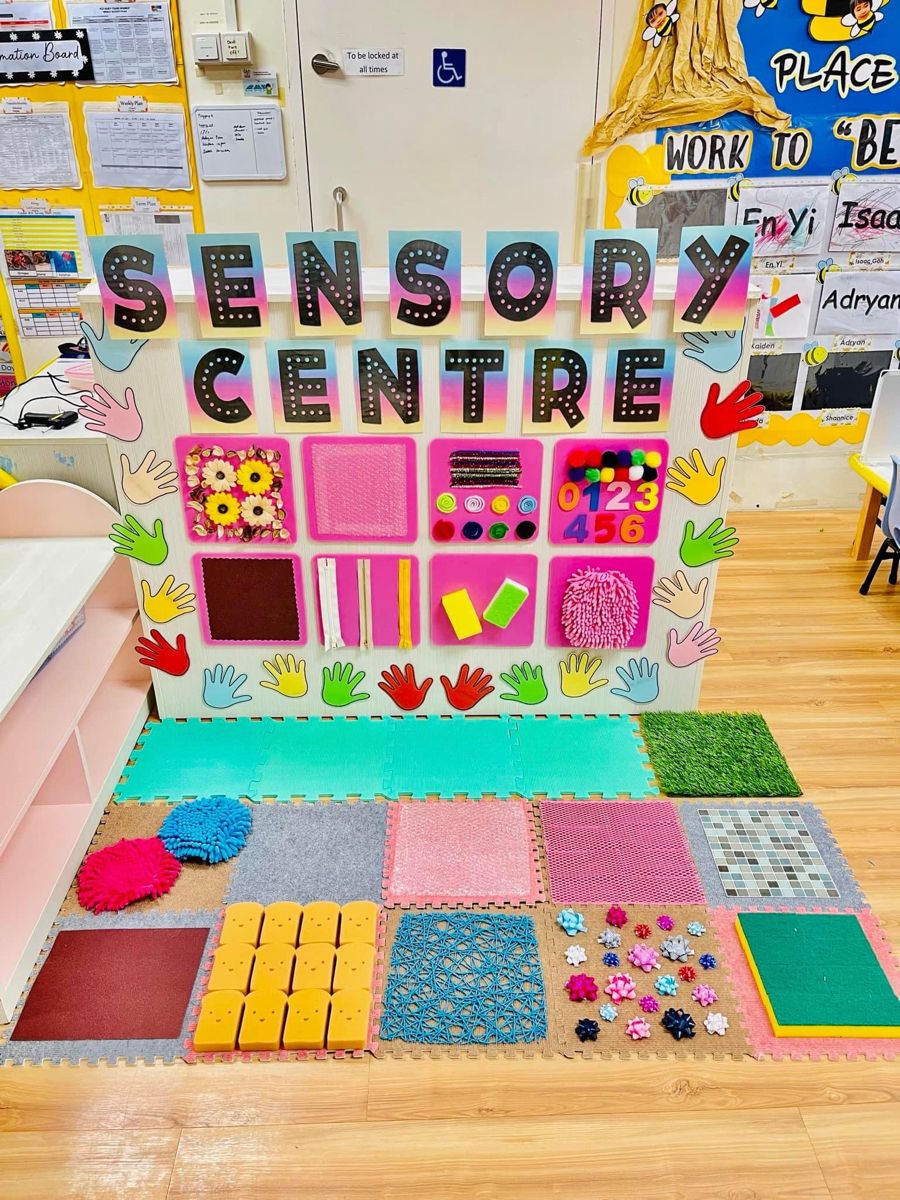
Workplaces often harbor sensory stimuli—bright lights, loud conversations, or unexpected noises—that can overwhelm an autistic employee’s sensory system. Creating sensory-friendly environments mitigates these challenges and signals an organizational commitment to inclusivity. Adjustments may include dimmable lighting, private workstations, or the option to use noise reducers. Encouraging flexible breaks outside overstimulating spaces further supports neurodiverse team members in maintaining focus and emotional equilibrium throughout the workday.
Fostering Social Inclusion Without Pressure
Socialization in the workplace is a nuanced arena for many autistic employees. While isolation is detrimental, enforced participation in social activities can induce stress. Managers should strive to create social environments that are optional rather than obligatory, respecting the varied comfort levels within the autistic community. Simple efforts such as providing agendas in advance for meetings or creating structured team interactions can alleviate anxiety. This approach cultivates belonging without compromising individual boundaries or wellbeing.
Building a Culture of Empathy and Continuous Learning
Support for autistic employees extends beyond individual accommodations; it encompasses fostering an organizational culture that embraces neurodiversity. Managers must lead by example, demonstrating empathy through active listening and open-mindedness. Encouraging team training and awareness campaigns demystifies autism and combats misconceptions, reinforcing the value of diverse cognitive approaches. This cultural shift enhances collaboration and innovation, making room for every employee’s talents to flourish authentically.

Conclusion: Elevating Success Through Informed Support
Supporting an autistic employee as a manager requires more than just compliance with policy; it demands understanding, flexibility, and an appreciation for the nuanced ways in which focused interests and sensory sensitivities manifest. The common observation of intense fascination is not a mere quirk but a window into deeper cognitive processes that, when embraced, can drive remarkable performance. By implementing clear communication, reasonable accommodations, sensory-friendly settings, and fostering an inclusive culture, managers unlock the potential of autistic employees, enhancing both individual fulfilment and organizational success.