Handwriting represents more than just a functional skill; it serves as a conduit for self-expression, communication, and cognitive development. Among children with autism spectrum disorder (ASD), the journey toward mastering handwriting can be notably distinctive. It is not uncommon to observe that many autistic children exhibit a particular fascination with letters, patterns, or the physical act of writing itself. Yet beneath this apparent captivation lie intricate neurological and sensory dynamics that shape their learning experiences.
Understanding the Unique Challenges Autistic Children Face in Handwriting
Handwriting difficulties in autistic children often stem from a constellation of motor, sensory, and cognitive challenges. Fine motor coordination is frequently impaired, resulting in irregular letter formation, inconsistent sizing, and difficulty controlling writing instruments. This motor clumsiness can create frustration, causing children to resist engaging with writing tasks altogether.
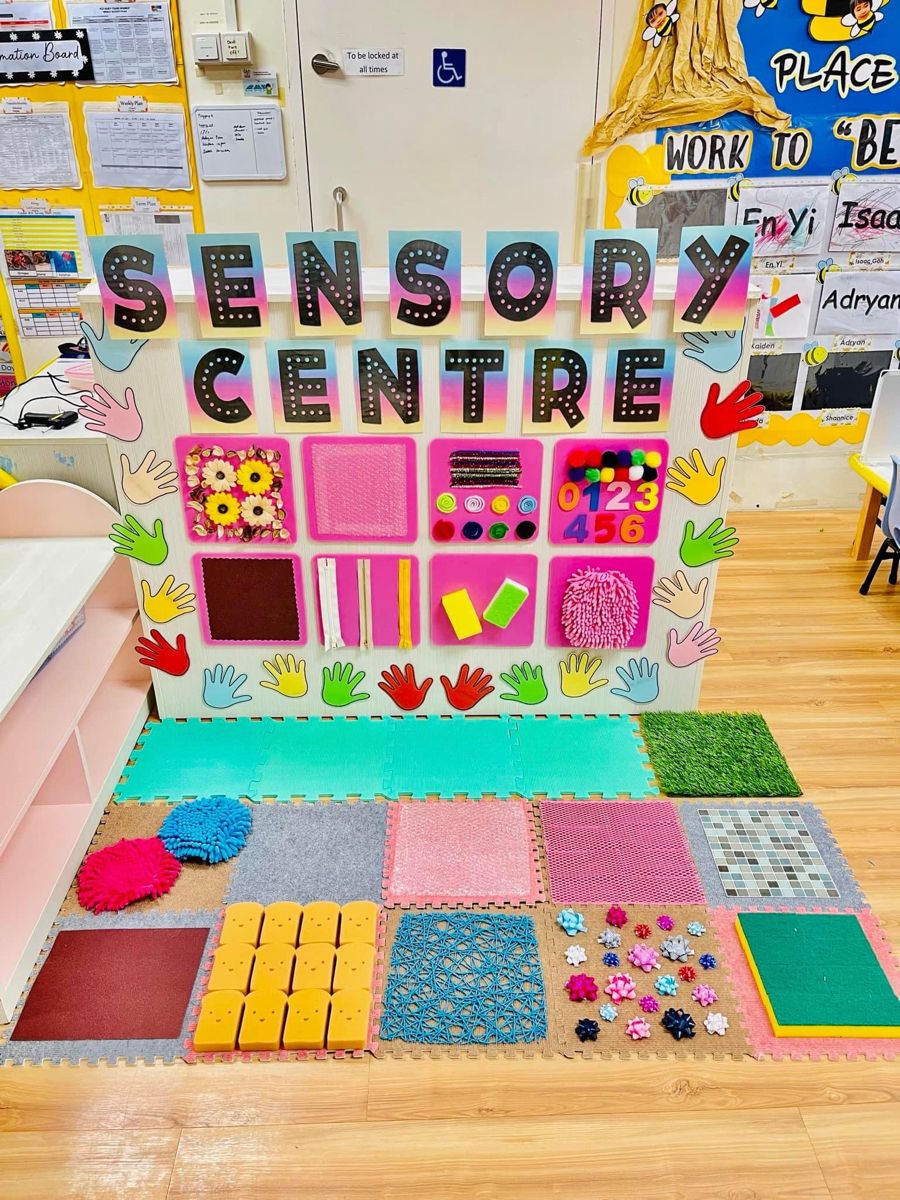
Additionally, sensory processing differences play a profound role. Many autistic children are hypersensitive or hyposensitive to tactile and proprioceptive stimuli. The feel of paper, the pressure of a pencil, or the awkwardness of hand positioning might be sources of discomfort or distraction. This sensory incongruence can impede fluid handwriting and amplify anxiety around writing activities.
Moreover, the executive function component of handwriting—planning, sequencing, and spatial organization—often demands a higher cognitive load. Such demands may overwhelm an autistic child, as they process information differently, often with a preference for concrete, structured tasks over more ambiguous or sensory-rich ones.
Harnessing Fascination: The Hidden Potential Within Autistic Interests
A remarkable observation in many autistic children is their intense and focused interest in specific subjects, including letters and sequences. This intrinsic fascination can be an invaluable asset if strategically incorporated into handwriting interventions. Rather than forcing children into rote handwriting drills, educators and caregivers can invite their natural curiosities into the learning process.
For instance, children drawn to pattern recognition can benefit from exercises that highlight the repetitive and structured aspects of letter formation. Creating letter shape puzzles or connecting the dots can appeal to their analytical strengths, transforming handwriting practice into an engaging, discovery-driven endeavor. By validating these interests, adults cultivate motivation and reduce resistance, turning handwriting from a chore into an intriguing challenge.
Environmental and Sensory Adaptations to Facilitate Handwriting
Physical surroundings dramatically influence a child’s comfort and focus during handwriting. Reducing auditory distractions, ensuring adequate lighting, and providing ergonomically supportive seating are foundational steps. However, sensory accommodations often must be more nuanced.
Some children thrive when using adaptive writing tools such as pencil grips, weighted pens, or textured paper. These modifications can enhance proprioceptive feedback and fine motor control, leading to more regulated strokes and steadier handwriting. Conversely, for a child with tactile hypersensitivity, softer pencils or smoother surfaces may prevent discomfort that disrupts concentration.
Periodic movement breaks are also crucial. Integrating fine motor warm-up exercises or gross motor activities helps regulate sensory input, primes the nervous system, and diminishes restlessness associated with prolonged desk work.
Structured and Multisensory Instructional Strategies
Traditional handwriting instruction may not meet the neurodiverse needs of autistic learners. Employing a multisensory approach creates pathways for better engagement. This method blends visual, auditory, tactile, and kinesthetic cues to reinforce letter recognition and formation.
Visual aids, such as letter formation charts and animated guides, provide clear, concrete exemplars. Auditory prompts—spoken instructions or rhythmic chants—support memory encoding of stroke sequences. Tactile methods, like tracing letters in sand or on textured boards, allow children to ‘feel’ the shapes through touch. Kinesthetic involvement, through air writing or finger movements in the air, integrates muscle memory into the learning process.
Regular, consistent practice tailored to the child’s pace is vital. Repetition bolstered by varied stimuli helps solidify neural connections underlying handwriting skills.
Promoting Autonomy Through Goal Setting and Positive Reinforcement
Empowering autistic children to take ownership of their handwriting journey fosters confidence and resilience. Breaking down handwriting skills into manageable, incremental goals aids in tracking progress and maintaining motivation.
Celebrating small victories with specific, sincere praise reinforces effort and perseverance. Intrinsic motivators, such as allowing children to write about their interests or share their work with trusted peers and family, further encourage engagement.
Additionally, integrating technology—such as speech-to-text software or typing apps—can supplement handwriting without dismissing its importance. Offering alternatives respects the child’s individual profile, promoting a balanced approach to literacy development.
Navigating Social and Emotional Dimensions of Handwriting
Handwriting challenges may contribute to feelings of embarrassment, frustration, or social exclusion in school settings. Recognizing this emotional component is crucial. Cultivating an empathetic environment where mistakes are normalized and effort is prized over perfection helps mitigate negative associations with handwriting tasks.
Teachers and caregivers should foster open communication, inviting children to express their feelings about writing and collaboratively exploring solutions. Peer modeling and cooperative writing activities can provide social support, enhancing a sense of belonging and shared accomplishment.

Ultimately, helping an autistic child with handwriting requires a holistic perspective that honors the interplay of motor skills, sensory needs, cognitive processes, and emotional well-being. By embracing their unique learning profile, leveraging their strengths, and adapting instruction thoughtfully, caregivers and educators can transform handwriting into an empowering, meaningful skill rather than an insurmountable obstacle.
The path toward fluent handwriting is often a mosaic of trials, adaptations, and breakthroughs. Each child’s narrative is unique, underscored by moments of fascination, perseverance, and triumph. Through patience and informed strategies, handwriting can blossom into a fulfilling mode of communication that supports lifelong learning and self-expression.