Libraries have long been sanctuaries of knowledge, haven spaces where communities converge to explore ideas, stories, and information. However, for individuals on the autism spectrum, traditional library settings can sometimes present sensory and social challenges that restrict access and limit the enriching experiences these spaces are designed to offer. Crafting truly inclusive library environments requires a deliberate reimagining of how these spaces function, appear, and engage patrons with varying neurodivergent needs. This article explores the multifaceted approach to creating autism-friendly libraries, highlighting the diversity of content and resources that such spaces can provide to foster inclusivity, learning, and community integration.
Understanding the Spectrum: Tailoring Content to Diverse Needs
Autism Spectrum Disorder (ASD) encompasses a broad range of neurological variations. Libraries aiming to be inclusive must consider this heterogeneity by curating varied content that resonates across the spectrum. Informational materials can include sensory-friendly picture books, social stories, and interactive media that explain library etiquette, enabling autistic patrons to navigate the space with greater confidence. These resources often integrate visual cues and simplified language to facilitate understanding.
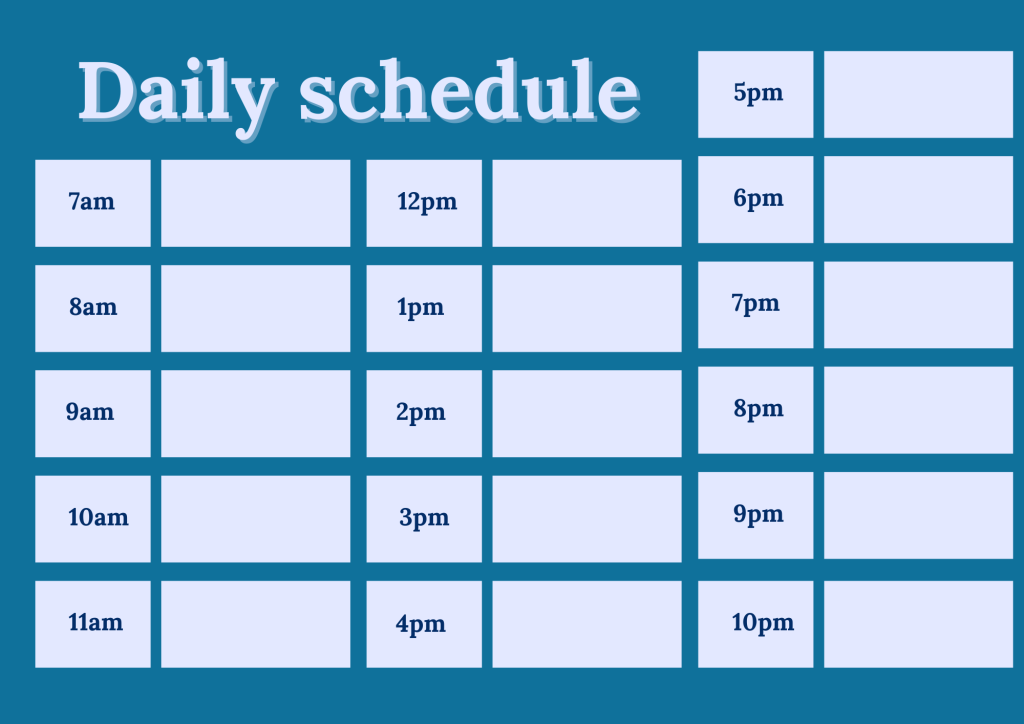
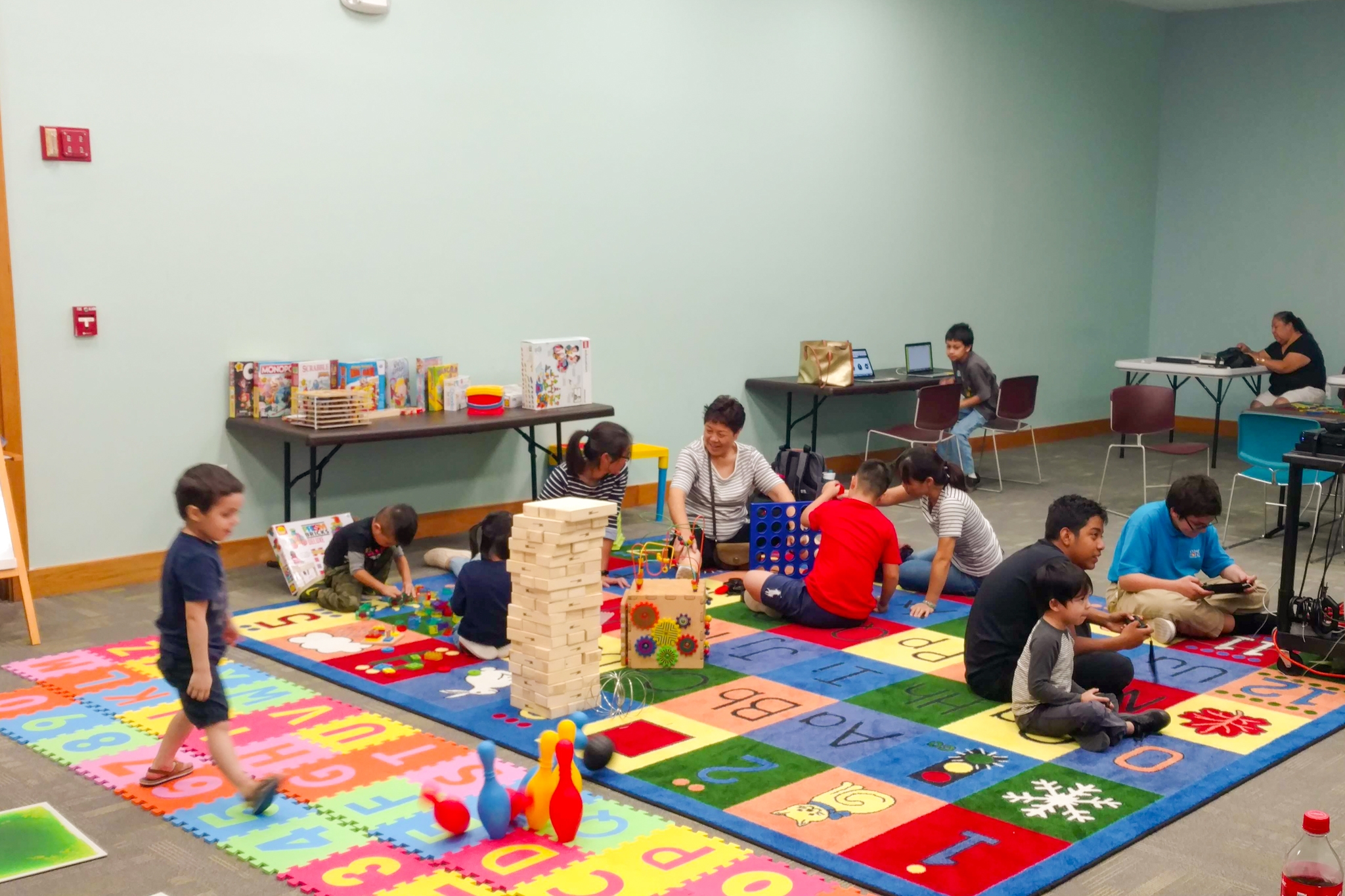
Programming content is equally vital. Libraries can offer specialized storytime sessions that modulate noise levels and activity intensity, catering to sensory sensitivities. Workshops focusing on STEAM (Science, Technology, Engineering, Arts, and Mathematics) can encourage hands-on learning experiences in a controlled and supportive environment. Furthermore, technology-infused content—such as augmented reality apps, audiobooks with adjustable speed, and visual schedules—adds layers of accessibility that accommodate a spectrum of processing styles.
Environmental Adaptations for Sensory Accommodation
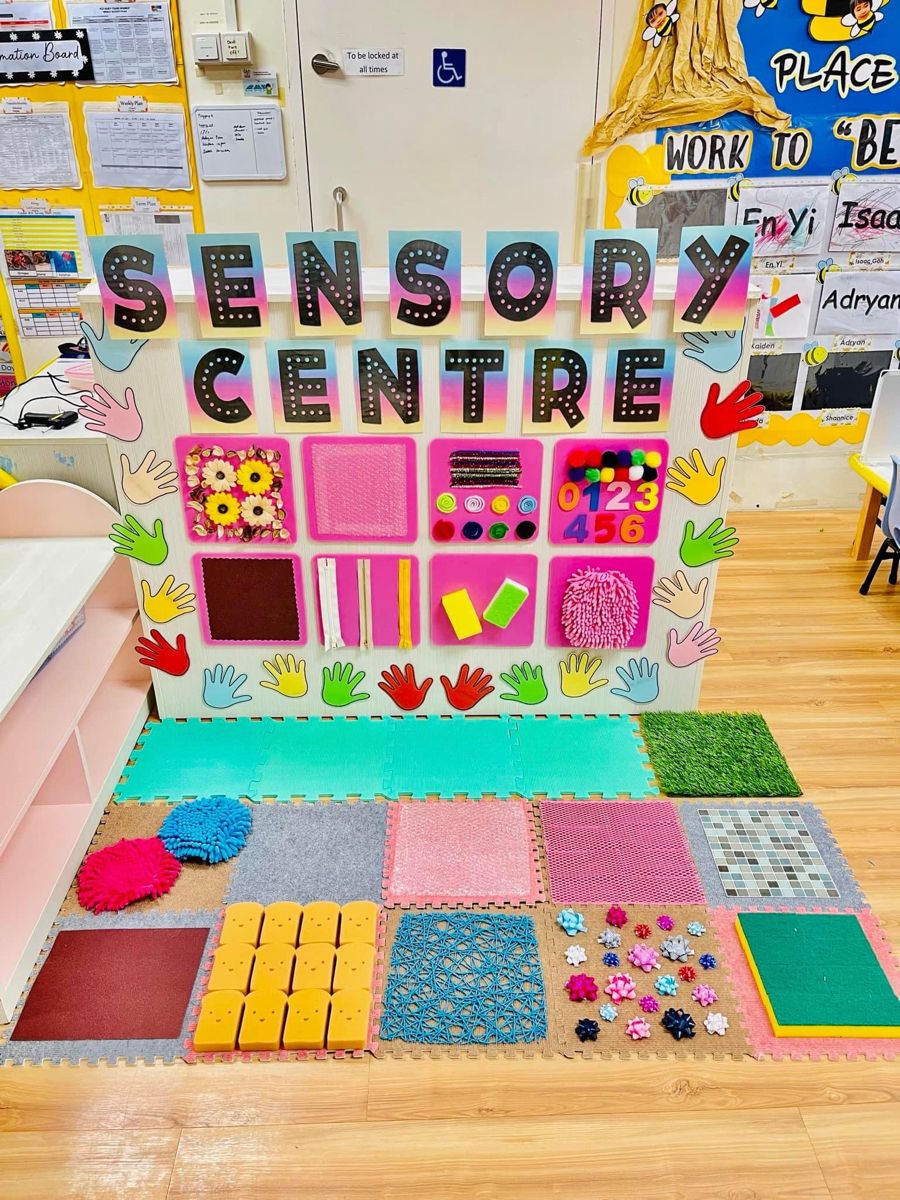
The physical environment of the library critically impacts how individuals with autism experience the space. A significant component of inclusivity lies in the design and modification of ambient conditions to minimize potential sensory overload. Libraries can designate quiet zones with dimmable lighting and sound-absorbing materials to create refuges from overwhelming stimuli. The strategic placement of furniture and clear signage enhances spatial orientation and reduces anxiety caused by clutter or ambiguous layouts.
Visual supports play a pivotal role in orienting and guiding autistic visitors. Pictorial maps, color-coded sections, and clear iconography create a navigable framework that empowers autonomy. Importantly, spaces should include flexible seating options that accommodate various sensory preferences—ranging from cushioned nooks to standing desks—allowing patrons to tailor their experience.
Staff Training: Cultivating Empathy and Expertise
Another cornerstone of creating autism-friendly libraries is comprehensive training for library staff. Awareness and understanding of autism can transform interactions, ensuring that staff respond with empathy and appropriate assistance. Training modules often cover communication techniques, recognizing signs of sensory distress, and practical strategies for de-escalation. Empowered staff can proactively support autistic patrons by offering tailored recommendations, facilitating smooth access to resources, and fostering a welcoming atmosphere.
Moreover, staff can collaborate with neurodivergent individuals and advocacy groups to continuously refine library programming and services. This co-design approach embeds lived experiences into the operational fabric of the institution, fostering innovation and authenticity in inclusive efforts.
Programming and Community Engagement
Beyond static content and environmental considerations, programmatic offerings serve as dynamic vehicles for engagement and learning. Libraries can implement autism-specific reading groups, sensory storytimes, and maker sessions that emphasize tactile and experiential learning modalities. These programs not only nurture literacy but also encourage social interaction in a structurally supportive context.
Community partnerships with local organizations dedicated to autism support can amplify the library’s reach and relevance. Workshops on life skills, technology use, and creative arts can be co-hosted, drawing diverse participants and enriching the public library’s role as a multifaceted community hub. Such collaboration underscores the library’s commitment to inclusivity, equipping individuals with tools that extend beyond its walls.
Digital Resources and Virtual Accessibility
Digital access has become an indispensable dimension of modern libraries. For autistic individuals who may find physical spaces challenging, virtual collections and online programming offer essential alternatives. Curated e-books, audiobooks, and adaptive learning platforms provide flexible consumption options tailored to individual preferences.
Virtual story hours, interactive webinars, and online social groups can simulate community interaction in a familiar and controllable environment. Furthermore, accessibility features such as screen reader compatibility, closed captioning, and synchronous chat support enhance usability for neurodiverse users. This digital pivot broadens the library’s impact, making it a truly inclusive space transcending geographical and sensory barriers.
Conclusion: Libraries as Catalysts for Inclusion and Belonging
Autism-friendly libraries represent more than accessible buildings; they symbolize a profound commitment to inclusion, understanding, and community empowerment. By integrating diversified content, thoughtful environmental design, skilled staff, engaging programming, and digitally enhanced resources, libraries can dismantle barriers that impede access for autistic individuals. These efforts culminate in nurturing spaces where every patron, regardless of neurological difference, can experience the joy of discovery, learning, and belonging.
Ultimately, the journey towards truly inclusive library spaces is ongoing and iterative, driven by empathy, collaboration, and innovation. As libraries continue to evolve, they hold the potential to serve as exemplary models of accessibility and acceptance, enriching lives and bridging divides across the spectrum.