In the kaleidoscopic world of childhood, where emotions swirl and the mind often races like a wild river, the gentle practice of yoga emerges as a serene island—a sanctuary where children with autism can anchor themselves and cultivate calmness. Autism, with its intricate neurological tapestry, often presents challenges in processing sensory input and managing stress. Yet, through the mindful application of yoga, this unique population can experience a profound sense of balance and tranquility, unlocking pathways to emotional regulation and self-awareness often clouded by the turbulence within.
The Symphony of Stillness: Yoga’s Unique Appeal for Children with Autism
Imagine the mind as an orchestra—each instrument representing a thought, sensation, or feeling. For many children with autism, this orchestra can be cacophonous, with instruments playing out of sync, creating discord rather than harmony. Yoga serves as the conductor, guiding each element to unite into a symphonic expression of inner peace. This metaphorical conductor—the combination of breath, movement, and mindfulness—creates a calming resonance that transcends verbal communication, catering to the unique sensory and cognitive profiles of children on the autism spectrum.
Unlike conventional behavioral therapies, yoga offers a somatic experience that engages the body as much as the mind. It is an embodied practice that encourages awareness through movement and breath, allowing children to reconnect with their physical presence and create a sanctuary within themselves. This dual engagement helps reduce anxiety and sensory overload, providing a vital respite from the overwhelm that often afflicts them.

Calming Through Breath: The Power of Mindful Breathing
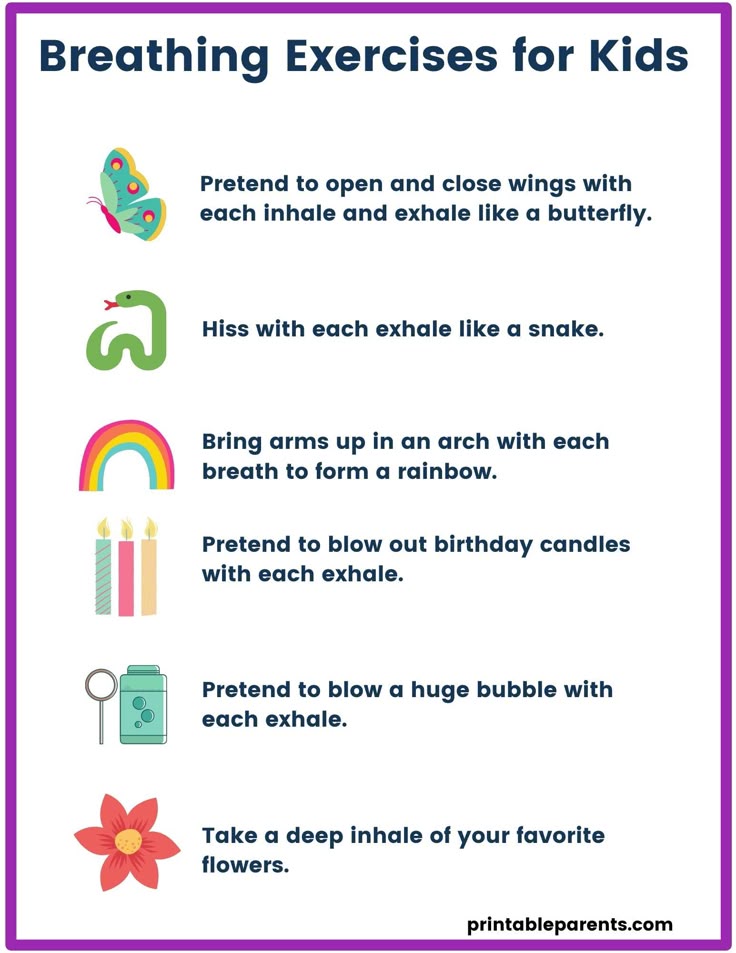
Breath is the invisible thread that weaves through all moments of calm and chaos. In yoga, breath is the anchor, a lifeline drawing the child back from the precipice of emotional storms to the steady ground of the present moment. Mindful breathing exercises, often described as the gentle art of breathing with intention, teach children to harness their breath as a tool for self-soothing and emotional regulation.
Simple breath techniques, such as diaphragmatic breathing or “flower breathing” (inhaling deeply through the nose and exhaling slowly through the mouth as if smelling a flower), can be infused into daily routines. These exercises are tailored to be intuitive and playful, transforming breath into a game rather than a task, which enhances engagement and maximizes their therapeutic impact.

Postures as Portals: The Role of Asanas in Emotional Regulation
Yoga postures, or asanas, serve more than a physical stretching purpose; they are portals into serenity. For children with autism, certain poses can help regulate sensory integration while bolstering proprioceptive (body awareness) and vestibular (balance and spatial orientation) systems. These sensory inputs are critical in helping the brain interpret bodily signals, contributing to better control of emotions and behaviors.
Grounding poses such as Child’s Pose (Balasana) or Mountain Pose (Tadasana) invite a sense of stability and centeredness, while dynamic poses like Cat-Cow can help release built-up tension. The rhythmic movement between postures resembles a calming tide, gently washing away accumulated stress. The tactile nature of these poses also provides comforting proprioceptive feedback, promoting an eased nervous system.
Creating a Sanctuary: Environmental Adaptations for Yoga Practice
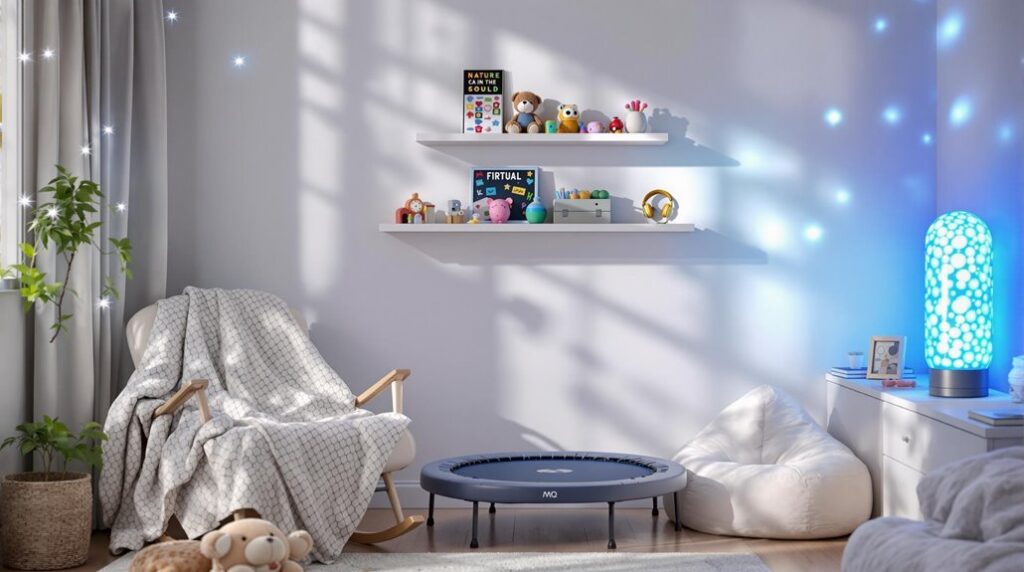
The environment in which yoga is practiced profoundly influences its effectiveness, especially for children with autism. Creating a sensory-friendly yoga space—dim lighting, minimal distractions, soft mats, and soothing music—can foster a safe sanctuary that encourages relaxation and openness. Visual supports such as illustrated pose cards or gentle verbal cues can further aid comprehension and participation.
Consistency and predictability within the yoga routine are paramount. Children with autism often thrive when they encounter structure alongside flexibility; therefore, a well-designed session balances familiar poses and breathing exercises with the gentle introduction of new sequences. This approach nurtures confidence and curiosity simultaneously.
Interweaving Yoga with Other Calming Strategies
While yoga stands as a powerful technique on its own, its synergy with other calming strategies can exponentially enhance well-being. Self-calming tools—such as weighted blankets, sensory toys, or quiet corners—complement the mindfulness cultivated in yoga. Together, these approaches form a holistic web of support, addressing multiple sensory modalities and emotional needs.
Additionally, incorporating yoga into classroom management systems or home routines creates opportunities for real-time stress reduction. For instance, brief mindfulness breaks or guided yoga sequences during moments of distress can dismantle escalating tension before it becomes overwhelming. This proactive stance fosters resilience and empowers children to self-regulate independently.
The Ripple Effect: Long-Term Benefits and Empowerment
Beyond the immediate calming effects, the sustained practice of yoga cultivates a ripple effect of benefits extending into emotional, cognitive, and social spheres. Children learn to recognize internal cues signaling distress and develop an inner toolbox to mitigate these sensations. Enhanced body awareness often translates into improved communication skills, as children become more attuned to their needs and more capable of expressing them.
The empowerment derived from mastering yoga techniques instills a profound sense of agency—a critical factor in building self-esteem and independence. Over time, yoga can become a cherished practice, a lifelong companion that navigates the child through the vicissitudes of life with grace and tranquility.
In the intricate dance of autism and emotional regulation, yoga is a luminous partner—gracefully bridging internal chaos and external calm. It offers children a tangible, embodied language to communicate, to soothe, and ultimately to flourish. Like the quiet yet resolute bloom of a lotus emerging from murky waters, the practice invites a transformation that is both deeply personal and profoundly beautiful.