In a world where technology reshapes the boundaries of human potential, robotics kits emerge not just as tools of innovation, but as bridges to untapped worlds of learning. For autistic children, these kits can transcend conventional education, offering a tactile, visual, and structured pathway to STEM mastery. The intersection of autism and robotics is not merely a convergence of interests—it is a transformative alliance that promises to redefine how we perceive neurodiversity, education, and the very essence of engagement.
Autism, a spectrum of neurodevelopmental differences, often brings with it unique strengths: exceptional attention to detail, deep focus on specialized interests, and a penchant for systems and patterns. Yet, traditional educational environments can struggle to harness these strengths, leaving gaps in learning and social integration. Enter robotics kits—modular, hands-on, and endlessly customizable tools designed to captivate through interaction rather than instruction. When thoughtfully integrated, these kits can become catalysts for cognitive growth, emotional regulation, and social connection, offering autistic children a voice in a world that often speaks in riddles to them.
The Alchemy of Engagement: Why Robotics Captivates Autistic Minds
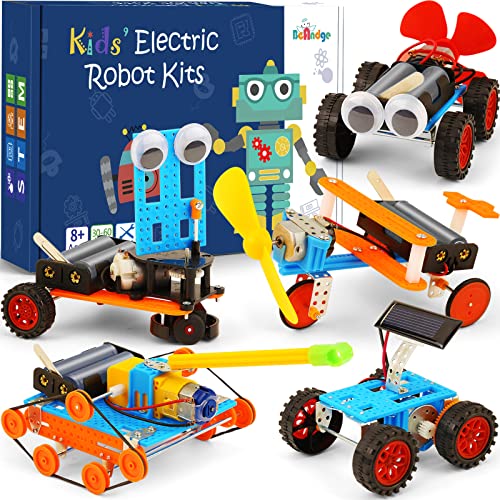
Imagine a classroom where the rigid structure of a lesson plan dissolves into a dynamic, responsive environment—one where a child’s curiosity is not met with redirection, but with amplification. Robotics kits excel in this role by providing a sensory-rich, predictable, and controllable experience. The tactile feedback of assembling components, the visual satisfaction of seeing a creation come to life, and the auditory cues of motors whirring to life create a multisensory symphony that autistic children often find deeply engaging.
Moreover, robotics kits operate on clear, logical frameworks. For a child who thrives on routine and predictability, the step-by-step nature of building and programming a robot offers a sense of order. There are no ambiguous social cues to decode, no unpredictable human interactions to navigate—just a sequence of actions leading to a tangible outcome. This clarity reduces anxiety and fosters a sense of competence, which is often elusive in traditional academic settings.
Consider the child who fixates on trains or dinosaurs. A robotics kit can transform that passion into a learning opportunity. A dinosaur-themed robot, for instance, might incorporate gears, motors, and sensors to mimic movement, blending the child’s interest with STEM principles. The result? A learning experience that feels like play, not pedagogy.
Sensory Harmony: Designing Kits for Neurodiverse Needs
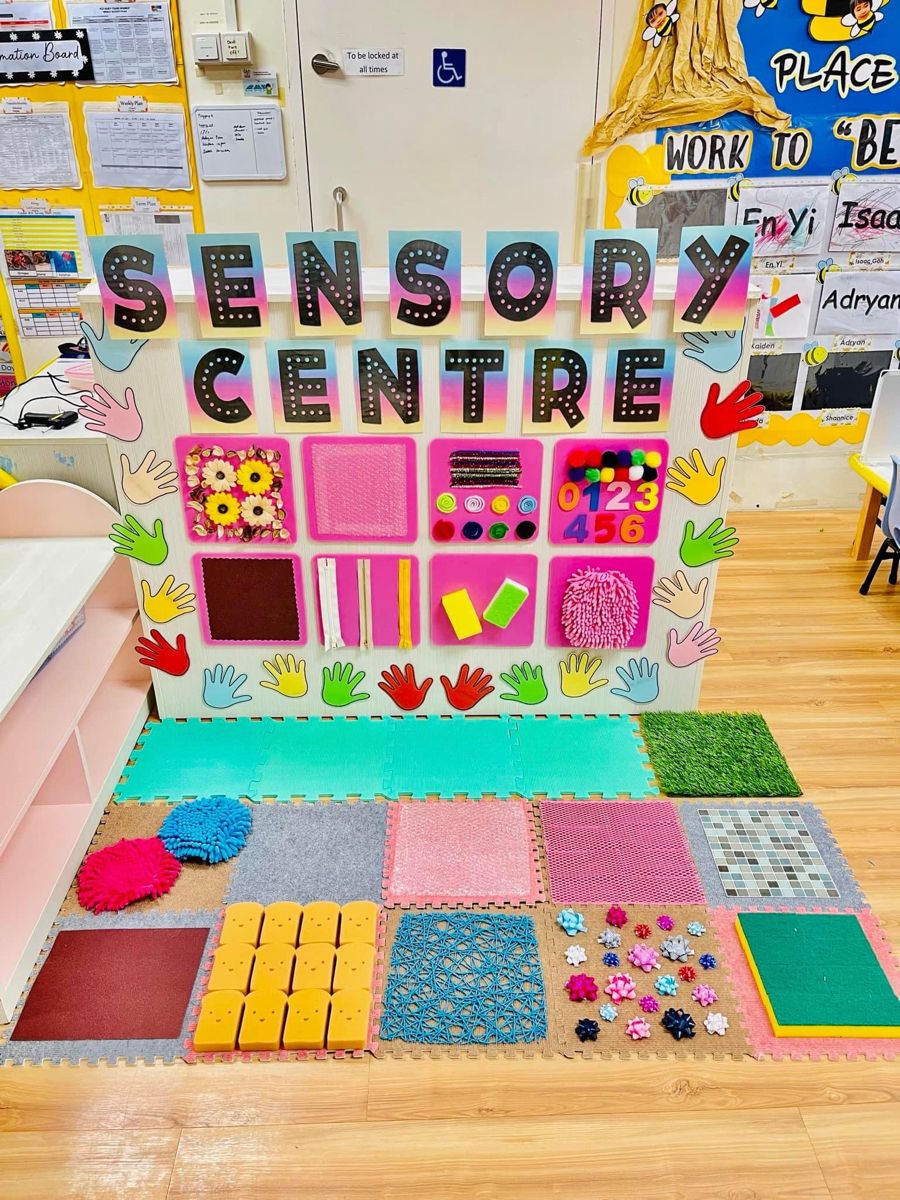
Not all robotics kits are created equal, especially when considering the diverse sensory profiles of autistic children. Some may be hypersensitive to bright lights or loud noises, while others may seek intense sensory input. The key lies in selecting or designing kits that align with individual sensory preferences.
For children who are overwhelmed by excessive stimuli, kits with muted colors, soft-touch materials, and adjustable sound levels can create a more comfortable experience. Conversely, for those who crave sensory input, kits with vibrant components, tactile textures, and responsive feedback mechanisms can provide the stimulation they seek. The goal is not to force conformity but to curate an environment where learning feels like an extension of the child’s natural inclinations.
Programmable kits, such as those with modular blocks or color-coded components, can further simplify the learning process. These designs reduce cognitive load by breaking down complex concepts into digestible, visual steps. For example, a kit that uses color-coded wires to indicate connections can eliminate the frustration of miswiring, allowing the child to focus on the creative and logical aspects of building.

Beyond the Build: Robotics as a Gateway to Social and Emotional Growth
The benefits of robotics extend far beyond the physical act of building. When autistic children engage with robotics in group settings—whether in classrooms, therapy sessions, or community workshops—they are presented with opportunities to practice collaboration, communication, and emotional regulation in a low-pressure environment.
Robotics projects often require teamwork, whether it’s troubleshooting a malfunctioning motor or brainstorming design improvements. For autistic children who may struggle with social nuances, these interactions provide a structured way to engage with peers. The shared goal of completing a project shifts the focus from social performance to collective problem-solving, reducing the pressure to “fit in” and instead emphasizing contribution.
Additionally, robotics can serve as a tool for emotional expression and regulation. The act of building and programming can be meditative, offering a sense of control and accomplishment. For children who experience meltdowns or anxiety, robotics can provide a constructive outlet—a way to channel overwhelming emotions into a tangible, creative process. The rhythmic motion of assembling parts or the focused attention required to debug a code can act as a grounding technique, much like a weighted blanket or deep-pressure therapy.
Personalized Learning: Tailoring Robotics to Individual Strengths
One of the most powerful aspects of robotics kits is their adaptability. Unlike one-size-fits-all educational tools, robotics can be customized to suit a child’s unique cognitive profile. For a child with strong visual-spatial skills, a kit that emphasizes 3D modeling and spatial reasoning might be ideal. For a child with exceptional pattern recognition, a kit that involves coding sequences or algorithmic thinking could be more effective.
Adaptive robotics platforms, which allow for progressive difficulty levels, can grow with the child, ensuring that the learning experience remains challenging yet achievable. These platforms often include gamified elements—such as earning badges for completing challenges or unlocking new features—which can motivate children who thrive on achievement and recognition.
Moreover, robotics can bridge the gap between abstract concepts and concrete understanding. For a child who struggles with mathematical reasoning, programming a robot to navigate a maze can make abstract ideas like angles, distance, and velocity tangible. The immediate feedback of seeing a robot move in response to code reinforces learning in a way that worksheets or lectures cannot.
The Role of Caregivers and Educators: Nurturing the Spark
The success of robotics in supporting autistic children hinges on the guidance of those who facilitate the experience. Caregivers and educators play a pivotal role in creating an environment where robotics can thrive. This involves not just providing the right tools, but also fostering a mindset of curiosity and resilience.
For caregivers, the journey begins with observation. Paying attention to a child’s interests, sensory preferences, and frustration thresholds can inform the selection of a robotics kit. It’s also important to approach the process with patience, allowing the child to explore at their own pace without imposing rigid expectations. The goal is not perfection but progress—a series of small victories that build confidence and competence.
Educators, on the other hand, can integrate robotics into broader STEM curricula, using it as a vehicle to teach interdisciplinary skills. For example, a robotics project might incorporate lessons in physics (forces and motion), mathematics (measurement and geometry), and even language arts (documenting the design process). By framing robotics as a tool for exploration rather than a subject to be mastered, educators can create a more inclusive and engaging learning experience.
Looking Ahead: The Future of Robotics in Autism Support
The landscape of robotics and autism is evolving rapidly, with emerging technologies poised to further revolutionize how we support neurodiverse learners. Artificial intelligence, for instance, is being integrated into robotics kits to create adaptive learning systems that respond to a child’s individual needs in real time. These systems can adjust difficulty levels, provide personalized feedback, and even simulate social interactions in a controlled environment.
Wearable robotics, such as exoskeletons or sensory augmentation devices, are also showing promise in helping autistic children manage sensory overload or motor coordination challenges. These innovations, though still in their infancy, hint at a future where robotics becomes an extension of the child’s capabilities, rather than a separate tool for learning.
As research continues to uncover the potential of robotics in supporting autistic individuals, one thing becomes clear: the future of education is not about fitting children into predefined molds, but about creating environments where they can flourish on their own terms. Robotics kits, with their blend of creativity, logic, and interactivity, are at the forefront of this movement—a testament to the power of technology to unlock human potential in ways we are only beginning to imagine.
The journey of integrating robotics into the lives of autistic children is not without its challenges. There will be setbacks, frustrations, and moments of doubt. Yet, for every child who finds solace in the hum of a motor or the glow of a programmed LED, there is a world of possibility waiting to be discovered. Robotics is more than a tool; it is a companion in the quest for understanding, a bridge between the known and the unknown, and a promise that every mind, regardless of its wiring, has the capacity to innovate, create, and thrive.