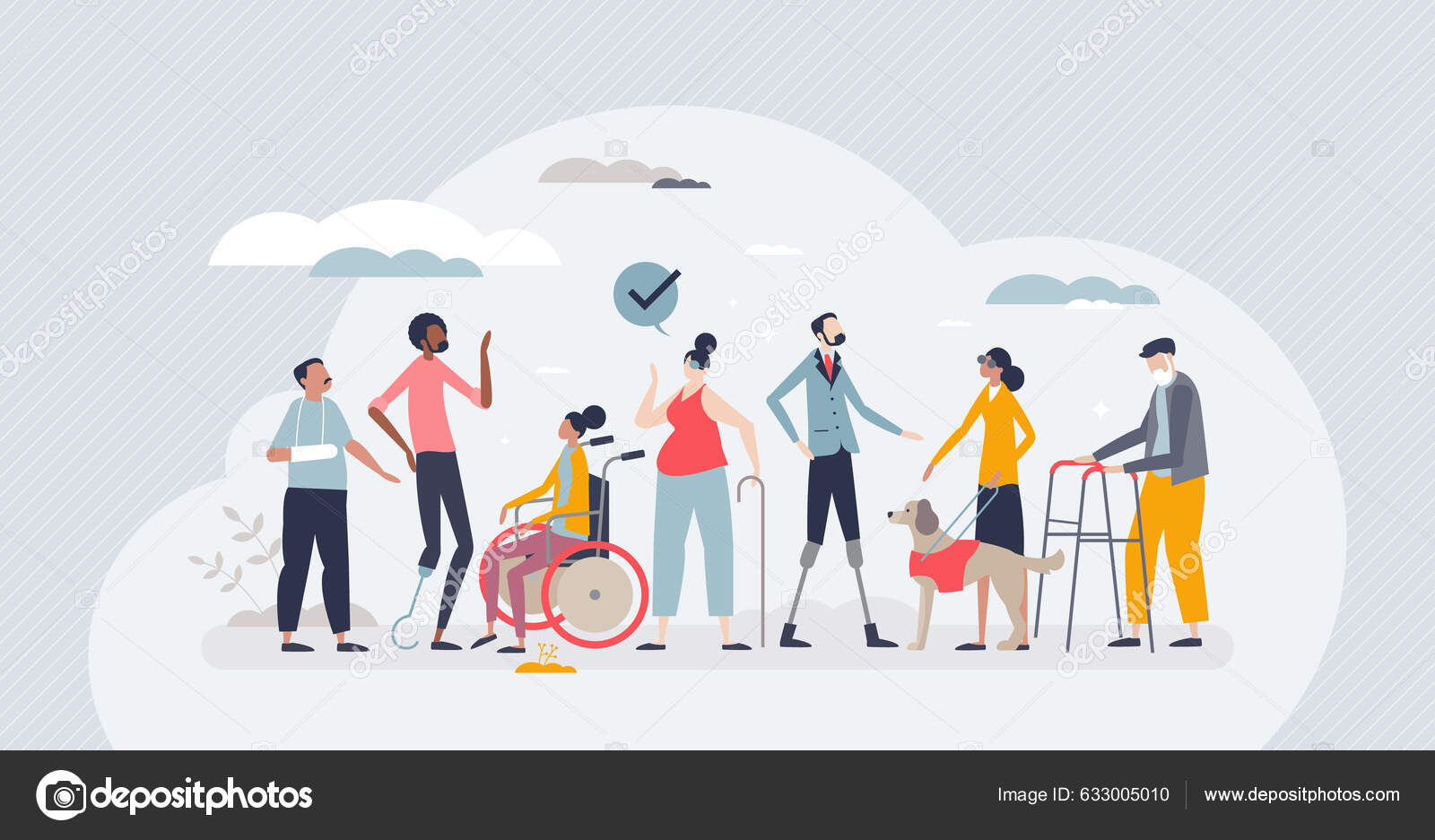
Have you ever wondered why some public spaces feel like a labyrinth designed for agility, while others seem to whisper, “Welcome, everyone—just not you”? The Americans with Disabilities Act (ADA) was crafted to dismantle such silent barriers, yet its application in the context of autism reveals a landscape both promising and perplexingly nuanced. What if the very laws meant to protect also inadvertently obscure the needs of a community that communicates differently, thinks differently, and experiences the world differently? Let’s navigate this terrain together, where compliance meets compassion, and where the spirit of inclusion often dances with the rigidity of regulation.

The ADA: A Beacon of Accessibility or a Static Blueprint?
The ADA, enacted in 1990, stands as a monumental civil rights law prohibiting discrimination based on disability. It mandates accessibility in public accommodations, employment, transportation, and communication. Yet, autism—a neurodevelopmental condition characterized by a spectrum of strengths and challenges—doesn’t always fit neatly into the ADA’s traditional framework. While the law protects individuals with disabilities, autism’s invisible nature often complicates its enforcement. How do you ensure a building’s ramp accommodates someone who may struggle with sensory overload in a crowded hallway? The ADA’s strength lies in its universality, but universality doesn’t always translate to individuality.
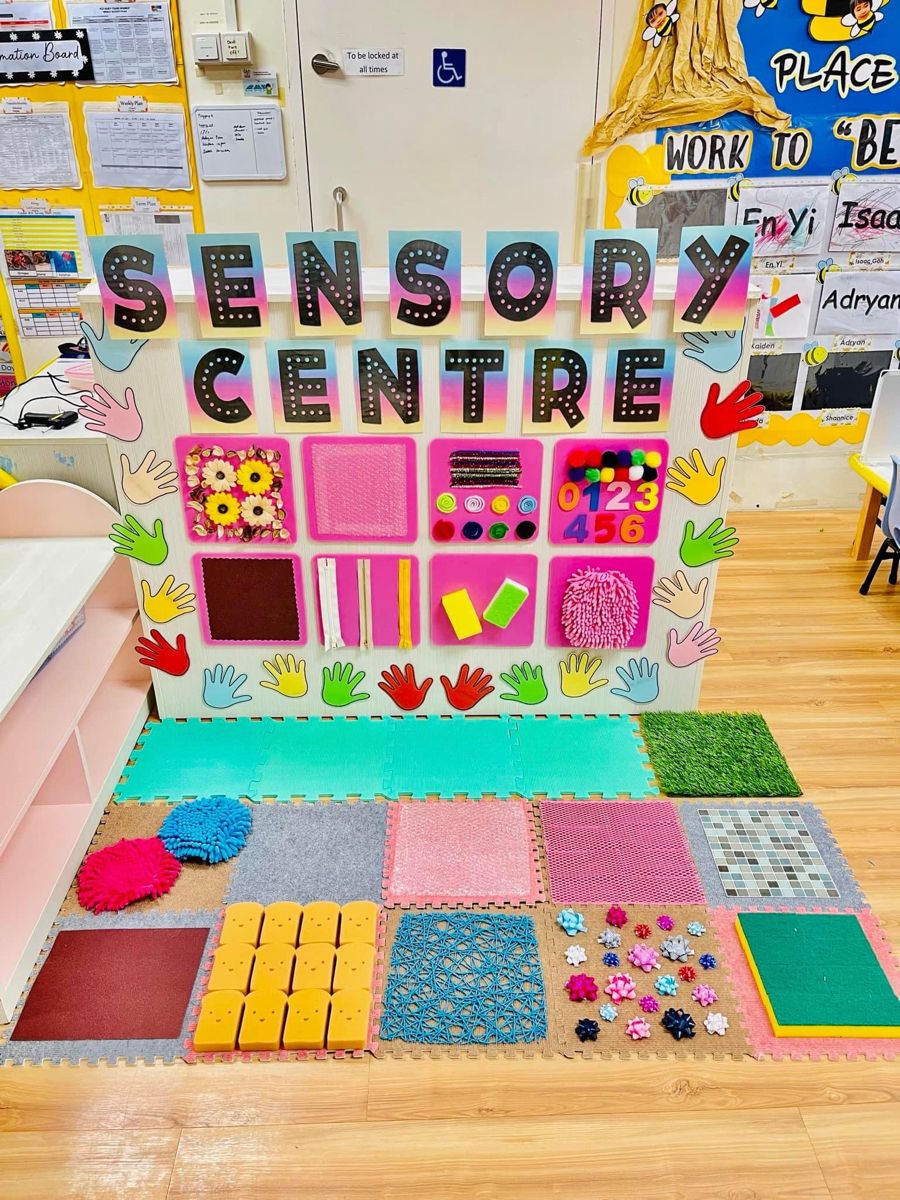
Consider sensory-friendly design. The ADA requires accessible routes, but it doesn’t mandate quiet rooms or low-stimulation environments—elements critical for many autistic individuals. This gap creates a paradox: a space may be legally accessible, yet functionally exclusionary. The law’s rigidity can stifle innovation, leaving architects and designers to interpret “accessibility” through a one-size-fits-all lens, often missing the mark for neurodivergent needs.
Employment Under the ADA: Balancing Accommodation and Expectation
For autistic adults, the workplace remains a minefield of unspoken rules and sensory triggers. The ADA requires employers to provide reasonable accommodations, such as flexible schedules or noise-canceling headphones. Yet, the burden of requesting these accommodations often falls on the employee, who may fear stigma or retaliation. What if the very act of disclosing autism becomes a professional liability? The law protects, but stigma persists.
Moreover, the ADA’s definition of “reasonable accommodation” is subjective. A quiet workspace might be reasonable for one autistic employee but unattainable for a small business with limited resources. The result? A patchwork of accommodations that vary wildly in effectiveness. Employers, eager to comply, may offer generic solutions that fail to address the unique needs of autistic individuals, leaving them to navigate a workplace that feels like a maze of unwritten expectations.

Education and the ADA: A Double-Edged Sword
Schools, as public accommodations, must comply with the ADA, yet the implementation often feels like a bureaucratic game of telephone. A student with autism may receive an Individualized Education Program (IEP) under the Individuals with Disabilities Education Act (IDEA), but the ADA’s broader protections—such as ensuring accessible extracurricular activities—can fall through the cracks. What happens when a field trip to a museum lacks sensory-friendly hours, or when a classroom’s fluorescent lighting triggers meltdowns? The ADA ensures physical access, but not the nuanced understanding required to foster true inclusion.
Teachers, already stretched thin, may struggle to balance ADA compliance with the demands of a neurotypical curriculum. The result? Autistic students are either forced to adapt to an environment that wasn’t designed for them or are excluded from experiences altogether. The ADA’s promise of equal opportunity rings hollow when the system prioritizes compliance over genuine support.
Communication Barriers: The ADA’s Silent Struggle
The ADA mandates effective communication for individuals with disabilities, yet autism’s communication challenges—such as nonverbal cues, literal interpretations, or delayed responses—often fall outside traditional accommodations. A deaf individual may request sign language interpreters, but an autistic person who communicates through assistive devices or unconventional methods may find their needs overlooked. How do you ensure that a website’s accessibility features include clear, concise language for someone who processes information differently? The ADA’s focus on physical and sensory barriers leaves a critical gap in addressing cognitive and communicative diversity.
Emerging technologies, like AI-driven communication tools, offer a glimmer of hope. These tools can translate verbal instructions into visual schedules or provide real-time feedback for social interactions. Yet, their adoption remains inconsistent, and the ADA’s slow evolution means these innovations often outpace regulatory updates. The result is a digital divide where autistic individuals are either left behind or forced to rely on makeshift solutions that barely scratch the surface of their needs.
Beyond Compliance: The Case for Neurodiversity-Informed Design
The ADA’s greatest limitation is its reactive nature. It addresses barriers after they’ve been constructed, rather than preventing them in the first place. What if accessibility were designed into the blueprint, not bolted on as an afterthought? Neurodiversity-informed design flips the script, prioritizing flexibility, sensory considerations, and individual agency from the outset.
Imagine a public park with quiet zones, adjustable lighting, and clear signage that avoids abstract metaphors. Picture a workplace where job descriptions include sensory expectations, allowing autistic candidates to self-select roles that align with their strengths. These aren’t radical ideas—they’re the next frontier of accessibility. The ADA provides the foundation, but it’s up to communities, businesses, and policymakers to build upon it with intention and empathy.
Conclusion: A Call to Reimagine Accessibility
The ADA is a landmark achievement, but its legacy is still being written. For autistic individuals, the law’s protections are a necessary first step, yet they’re not enough. True inclusion requires a shift from compliance to creativity, from rigid standards to responsive design. It demands that we ask not just “Is this accessible?” but “Is this truly welcoming?”
The challenge ahead is daunting, but not insurmountable. By centering the voices of autistic individuals, challenging outdated assumptions, and embracing innovation, we can transform the ADA from a static document into a living promise. The goal isn’t just to remove barriers—it’s to build a world where everyone, regardless of how they navigate the world, feels seen, heard, and valued. After all, accessibility isn’t a destination. It’s a journey, and we’re all still learning the route.