Photography can be likened to an intricate tapestry woven from moments and emotions, each frame capturing a singular thread in the collective fabric of human experience. For individuals with autism, this tapestry takes on a uniquely intricate and vibrant pattern. Through the lens, photography transforms into a sanctuary — a creative outlet where the sensory world is not a bewildering cacophony but a canvas of possibility. In the realm of autism, this art form unlocks unparalleled avenues for expression, understanding, and empowerment, casting light on perspectives often muted by conventional communication.
The Prism of Perception: Seeing the World Differently
Autism often alters the way sensory information is processed, creating a prism through which the world refracts into distinct hues and patterns. Photography becomes an instrument that channels these alternative perceptions, allowing the externalization of inner experiences. Intricate details that might elude the average observer—such as the flutter of a leaf, the interplay of shadows, or the subtlest facial expressions—are amplified and immortalized.
For many autistic photographers, the camera lens acts as a mediator between their inner world and external reality. It provides a tangible way to communicate nuanced impressions without relying solely on verbal expression. This visual language can be profoundly therapeutic, encapsulating moments of clarity and focus amid the complexities of autism.
Photography as a Sensory Anchor and Focus
One of the hallmark challenges faced by many autistic individuals is sensory overload. Amid overwhelming stimuli, cameras become tools for grounding attention, fostering mindfulness, and cultivating concentration. The deliberate act of framing a shot necessitates a momentary stillness, a focused engagement with the immediate surroundings.
This focused immersion is akin to a meditative practice. The photographer shifts from being overwhelmed by sensory input to becoming actively selective, picking and choosing what to observe and how to interpret it. The tactile feel of the camera, the click of the shutter, and the visual feedback on the display create an experiential loop that nurtures cognitive calmness and mastery.
Expressing Emotions Without Words
Artistic expression through photography offers a compelling alternative to traditional verbal communication, which can be challenging for some autistic individuals. Images can carry evocative power that often transcends language, serving as emotional conduits. This nonverbal expression allows individuals to convey complex feelings—joy, anxiety, curiosity, or serenity—that might otherwise remain unarticulated.
Moreover, the editing process enhances artistic control, enabling the manipulation of light, color, and contrast to mirror subjective emotional states. The photograph thus becomes a mirror not just of footage but of the photographer’s internal landscape, providing an autobiographical visual diary.
The Unique Aesthetic: Precision and Detail
Many autistic photographers gravitate towards detailed-centric aesthetics, demonstrating patience and a remarkable eye for nuance. Their images often reflect a heightened sensitivity to pattern, repetition, and symmetry—qualities that may be underexplored in mainstream photography.
Close-ups of everyday objects, the geometry of nature, and abstract textures become profound statements. This approach not only challenges conventional artistic norms but also ushers viewers into the seldom-seen intricacies that compose the autistic experience. Photography thus becomes a vessel for neurodivergent aesthetics, celebrating difference as beauty.

Community and Connection: Building Bridges Through Art
Photography also fosters an invaluable sense of community among autistic artists and their audiences. Exhibitions, collaborative projects, and online platforms provide opportunities for sharing work that defies stereotypes and broadens societal perceptions about autism.
Through visual storytelling, barriers between neurotypical and neurodivergent worlds become more permeable. The layered narratives embedded in each photograph invite empathy and dialogue, enriching cultural landscapes. For autistic photographers, this social engagement can mitigate isolation and nurture a sense of belonging—an essential ingredient for personal fulfillment.
Challenges and Triumphs in the Artistic Journey
The path of photography is not without its obstacles. Sensory sensitivities can make some environments challenging, while social interactions at exhibitions or workshops may provoke anxiety. Nevertheless, the therapeutic benefits and creative satisfaction often outweigh these hurdles.
Adaptive techniques and supportive communities have emerged to bolster autistic photographers. Whether through specialized training, mentorship, or accessible equipment, the barriers to participation continue to diminish. Each captured image stands as testimony to resilience and creative triumph, inspiring both creators and viewers alike.
Conclusion: Illuminating the Autistic Experience Through Photography
Photography serves as a radiant beacon for autistic individuals, illuminating facets of experience that are frequently obscured. It harnesses the transformative power of art to transcend conventional modes of understanding and expression. Through a lens tempered by unique perception, the autistic photographer charts a visual journey that is at once personal and universal.
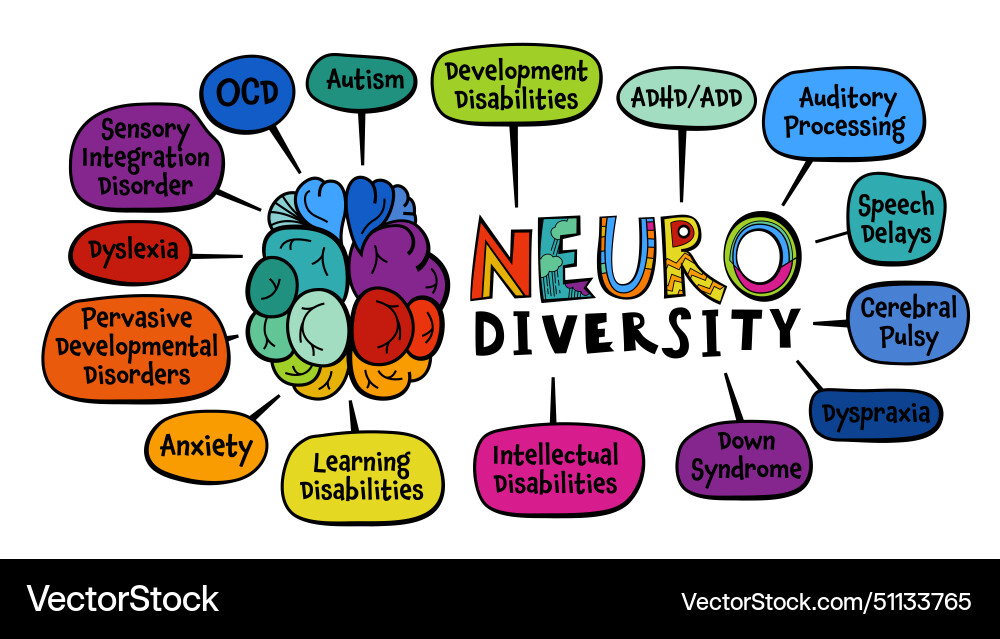
This creative outlet not only cultivates inner harmony but enriches society’s collective narrative. It reveals the vast spectrum of human experience, underscoring the notion that diversity in cognition and creativity is invaluable. In the silent click of a shutter, worlds are bridged, stories are told, and the multifaceted beauty of neurodiversity is brought into vivid focus.