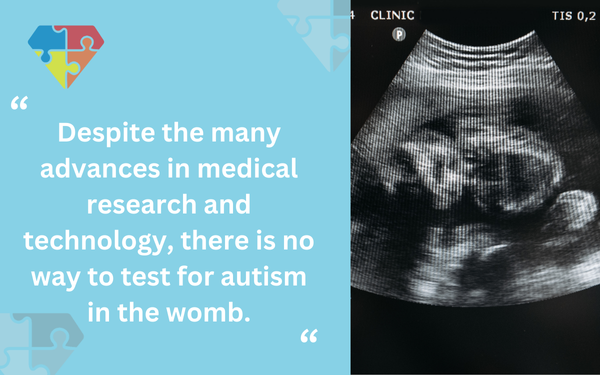
Is it conceivable that autism—often considered a complex neurodevelopmental condition discerned in early childhood—might actually reveal its mysteries before birth? Could the subtle orchestrations within the womb hold clues to what later manifests as autism? This tantalizing question challenges traditional paradigms and propels scientists and clinicians alike into an investigative journey through prenatal development, advanced imaging, and genetic inquiry.
The Enigma of Early Detection: Why Look Before Birth?
The quest to detect autism prenatally is not simply an academic exercise; it embodies profound implications for early intervention, family preparedness, and unraveling the biological underpinnings of the condition. Autism spectrum disorder (ASD) is characterized by a constellation of social communication challenges and behavioral patterns, typically diagnosed after the age of two or later. However, the notion that developmental divergences originate much earlier provokes an essential reflection: might the neural wiring that underlies autism begin to form differently in utero?
Scientific advancements suggest the womb is not a sterile black box but a dynamic environment where the brain’s architecture is remarkably sensitive to genetic and environmental cues. As the fetal brain undergoes explosive growth and organization, any perturbations may sow the seeds that later blossom into the spectrum of autistic behaviors.
Neurodevelopmental Signatures in the Womb
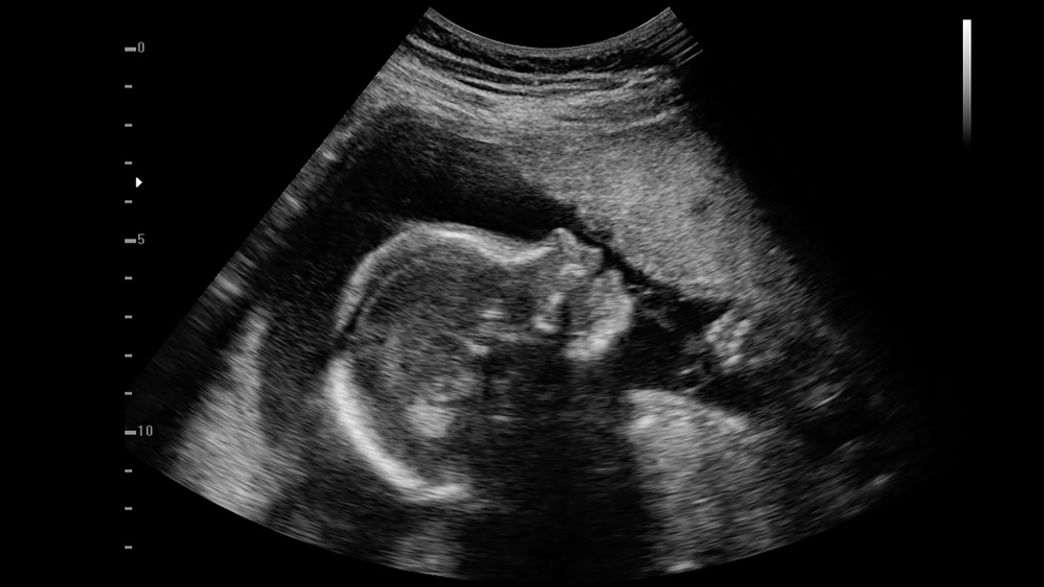
Emergent research employing sophisticated imaging techniques—such as fetal magnetic resonance imaging (MRI)—has begun to elucidate structural and functional anomalies indicative of atypical brain development during gestation. These studies reveal variations in regions implicated in autism: the cerebral cortex, corpus callosum, and cerebellum, among others.

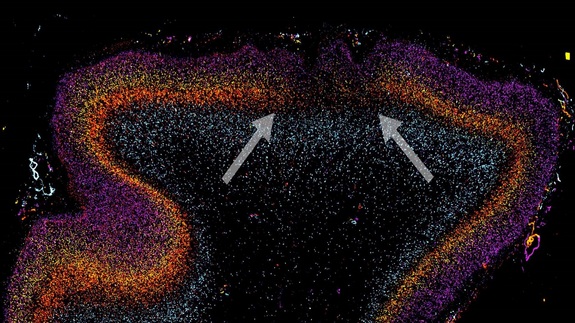
More intriguingly, microstructural changes observable in the developing white matter suggest altered synaptic connectivity—a hallmark often associated with autism’s cognitive and behavioral manifestations. These neurobiological substrata detected prenatally hint at a prodromal stage of autism that predates behavioral symptoms.
Genetic and Epigenetic Clues: A Molecular Prelude
The genetic mosaic of autism is both intricate and heterogeneous. Advances in genomics have identified numerous risk genes implicated in synaptic formation, neural plasticity, and brain circuit maturation. Some mutations and variations exert their influence during embryogenesis, contributing to aberrant developmental trajectories.
Adding another layer of complexity, epigenetic modifications—chemical changes influencing gene expression without altering the DNA sequence—respond to intrauterine environmental factors, such as maternal stress, infection, or exposure to toxins. These epigenetic marks can modulate neurodevelopmental pathways, potentiating or mitigating autistic phenotypes.
Understanding these molecular intricacies broadens the scope of prenatal autism research beyond mere structural observations toward an integrative framework involving genetic, epigenetic, and environmental interplay.
Challenges in Prenatal Diagnosis: The Conundrum of Precision
Despite promising data, the road to reliable prenatal detection of autism is fraught with significant challenges. Foremost among these is the enormous variability and spectrum of autism presentations. The heterogeneity complicates the identification of definitive biomarkers with high sensitivity and specificity.
Furthermore, fetal brain imaging is constrained by technical limitations, motion artifacts, and spatial resolution. Isolating subtle neuroanatomical deviations indistinguishable from typical developmental variance remains an ongoing hurdle.
Ethical and psychological ramifications also warrant cautious navigation. Prenatal autism diagnosis raises profound questions about informed consent, potential pregnancy termination, and stigma. Balancing the benefits of early identification with respect for autonomy and complex societal attitudes demands meticulous deliberation.
Implications for Early Intervention and Future Research
Should prenatal markers become validated, the paradigm of autism management could shift dramatically. Early detection opens avenues for preemptive strategies aimed at optimizing neurodevelopmental outcomes, potentially harnessing neuroplasticity during critical periods.
Innovative interventions could emerge, ranging from maternal health optimization to targeted pharmacological or behavioral therapies implemented closer to birth. Such shifts would transform autism from a reactive diagnosis to a proactive framework.
Ongoing research continues to refine imaging modalities, expand genetic panels, and explore biochemical markers in maternal blood or amniotic fluid, aiming for a holistic predictive model. Cross-disciplinary collaboration among neuroscientists, obstetricians, geneticists, and ethicists remains pivotal.
In sum, while the prospect of detecting autism in the womb tantalizes with the promise of early insight, it simultaneously poses formidable scientific, technical, and ethical challenges. The path forward is a complex tapestry woven from biology, technology, and humanity—a testament to the intricacies of life before birth.
As science edges closer to unveiling the prenatal whispers of autism, the hope remains that such knowledge will not only illuminate its origins but also foster compassionate care and empowerment for individuals on the spectrum and their families, from the very beginning of life’s journey.