Adult autism support has evolved exponentially over recent decades, reflecting a nuanced understanding of the spectrum and the multifaceted needs of those it touches. While early interventions often focus on children, a growing body of therapy groups and resources now specifically cater to adults with autism, helping them navigate the complexities of everyday life, foster meaningful connections, and cultivate personal growth. This deep dive explores these indispensable supports, elucidating the types of therapy groups, resources, and tools that empower autistic adults to thrive.
Therapy Groups: Creating Safe Spaces for Connection and Growth
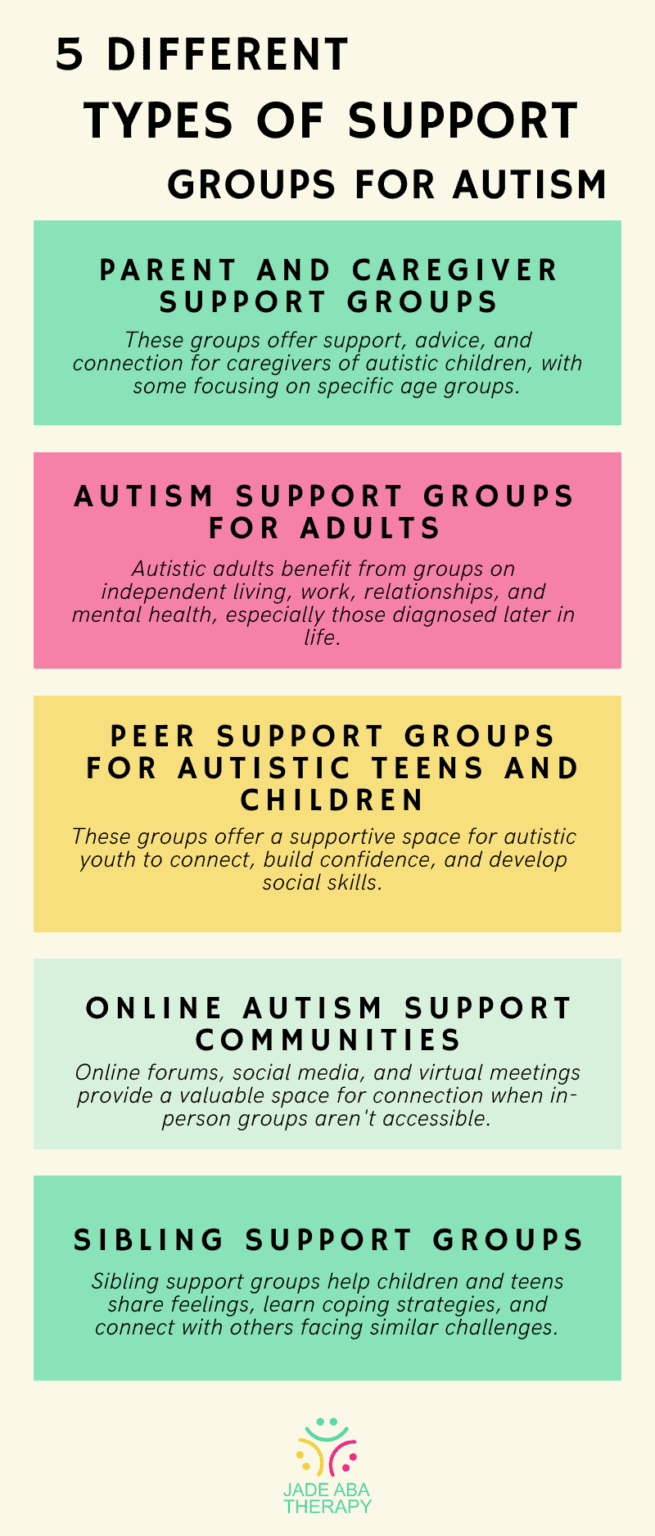
Therapy groups tailored to adults with autism offer a sanctuary where individuals can share experiences, learn coping mechanisms, and develop social skills within a structured, empathetic environment. These groups vary widely in their approach and focus, accommodating diverse needs and preferences.
One prevalent format is the social skills group. These sessions often employ evidence-based techniques to help participants understand and respond to social cues, develop conversational abilities, and manage social anxiety. Unlike solitary therapy, the group setting fosters peer learning and mutual support, creating a dynamic environment where individuals collectively overcome challenges.
Specialized groups also exist for co-occurring conditions such as anxiety or depression, which frequently overlay the autism spectrum. Incorporating elements of Cognitive Behavioral Therapy (CBT) or Dialectical Behavior Therapy (DBT), these groups provide targeted interventions to improve emotional regulation and distress tolerance, tailored to the neurodiverse mind.

Moreover, adult hangout or peer support groups function as informal therapy settings. Participants engage in activities that emphasize mutual understanding and reduce isolation, facilitating authentic social interaction in a less clinical atmosphere. Such spaces are invaluable in cultivating a sense of belonging and identity affirmation.
Educational Workshops and Psychoeducation Resources
Beyond traditional therapy groups, psychoeducational workshops serve as foundational tools for adults on the spectrum. These workshops empower individuals with knowledge about autism—its manifestations, challenges, and strengths—and demystify complex emotional and social experiences that may arise.
The content often covers executive functioning strategies, sensory processing awareness, and self-advocacy skills. Understanding one’s unique neurodivergence can be transformative, fostering self-acceptance and practical adaptation strategies for daily living.
Resources include multimedia content such as illustrated guides and webinars, which accommodate diverse learning preferences. These educational materials facilitate lifelong learning and foster resilience by equipping adults with actionable knowledge tailored to their developmental stage and experiences.
Specialized Therapeutic Modalities and Individualized Support
While group settings provide communal benefits, individualized therapies remain pivotal for many adults with autism. These therapeutic modalities are often complemented by group interventions, creating a comprehensive care framework.
Applied Behavior Analysis (ABA) has historically been associated primarily with children but is increasingly adapted for adult populations. The focus shifts from early developmental milestones to enhancing functional independence, job skills, and interpersonal interactions. Personalized goals are central to these interventions, honoring the adult client’s autonomy and aspirations.
Other approaches, like occupational therapy, emphasize sensory integration and adaptive skills necessary for independent living. These therapies support adults in managing daily tasks that may present unique challenges due to sensory sensitivities or executive dysfunction.
Additionally, mental health counseling that incorporates an understanding of autism can address co-occurring psychological conditions with greater efficacy. Professionals trained in neurodiversity affirming practices ensure that interventions are respectful and empowering, not pathologizing.
Community Resources and Online Networks
Community-based services and online platforms provide crucial extensions of support, often filling gaps left by formal therapy. Local organizations frequently offer recreational programs, vocational training, and advocacy services that nurture autonomy and societal engagement.
Online communities, forums, and social media groups, while diverse in tone and moderation, can be potent sources of information and camaraderie. They help reduce isolation by connecting autistic adults and their allies from around the globe, offering peer mentorship and shared resources.
These digital and community networks also serve as vital channels for disseminating the latest research findings, policy updates, and therapeutic innovations, ensuring that individuals remain informed and empowered in their journey.
Recognizing and Addressing Signs & Symptoms in Adulthood
Autism manifests differently across the lifespan, and for many adults, recognition and diagnosis come later in life. Understanding the subtle and overt signs is essential for appropriate support and intervention.
Adults may experience difficulties with social reciprocity, sensory overload, and rigid routines, alongside strengths such as meticulous attention to detail and intense focus. Emotional regulation can be challenging, with episodes of anxiety or frustration emerging from misunderstandings or sensory distress.
Linguistic nuances, such as literal interpretation of language and difficulty with nonverbal cues, often complicate social engagement. Therapy groups and resources frequently include modules that address these traits, guiding adults toward effective communication strategies and self-advocacy.

Conclusion: Cultivating Lifelong Support and Empowerment
The landscape of autism support for adults is rich and multifaceted, reflecting an evolving appreciation of adulthood on the spectrum. Therapy groups, educational workshops, individualized treatments, and community resources collectively foster autonomy, connection, and personal fulfillment.
When adults with autism are equipped with the appropriate tools and supported by empathetic, knowledgeable professionals and peers, they can transcend stigma and barriers, embracing their neurodiversity as a vital aspect of their identity. Continuous development of these support avenues is imperative for creating inclusive societies where every individual has the opportunity to flourish.