Embarking on the journey of a new school year is an expedition rife with anticipation and trepidation for any child. When the child is autistic, this transitional voyage commands a nuanced approach—one that transcends conventional preparation. It is not merely about logistics or memorizing schedules but about nurturing resilience, understanding sensory worlds, and kindling confidence in unfamiliar terrain. Unlocking a fresh perspective on how to prepare an autistic child for a new school setting invites caregivers and educators alike to delve into an artful balance of foresight, empathy, and strategic engagement.
Understanding the Landscape: Embracing the Unique Experience of Your Child
To chart a successful course, it is pivotal first to comprehend the idiosyncratic ways an autistic child perceives and interacts with their environment. Sensory sensitivities, social communication nuances, and cognitive processing styles all interplay to shape their experience of a new school. This understanding dispels assumptions and replaces them with informed anticipation. Recognizing these nuances unveils the fundamental promise: that preparation is a canvas for customizing support rather than imposing a one-size-fits-all model. As such, it is essential to engage in detailed observations and open dialogues with your child to grasp their emotional landscape and sensory thresholds.

Constructing a Predictable Framework: The Power of Visual Schedules and Social Stories
Predictability serves as an anchor amidst the whirlwinds of change. Visual schedules, constructed carefully with your child’s input, create a tangible representation of the day’s unfolding events—transforming abstract concepts into accessible knowledge. The visual elements provide a scaffold that diminishes anxiety by fostering a sense of control and preparedness before the school day even begins.
Complementary to schedules, social stories weave narratives that elucidate what your child might expect and how they might respond in various scenarios at school. These stories go beyond mere instruction—they engage imagination and empathy, enabling children to rehearse social scripts in a safe, controlled environment. Utilizing personalized stories that highlight specific challenges and successes can catalyze self-assurance and reduce occurrences of distress.
Sensory Modulation: Crafting a Comforting School Environment
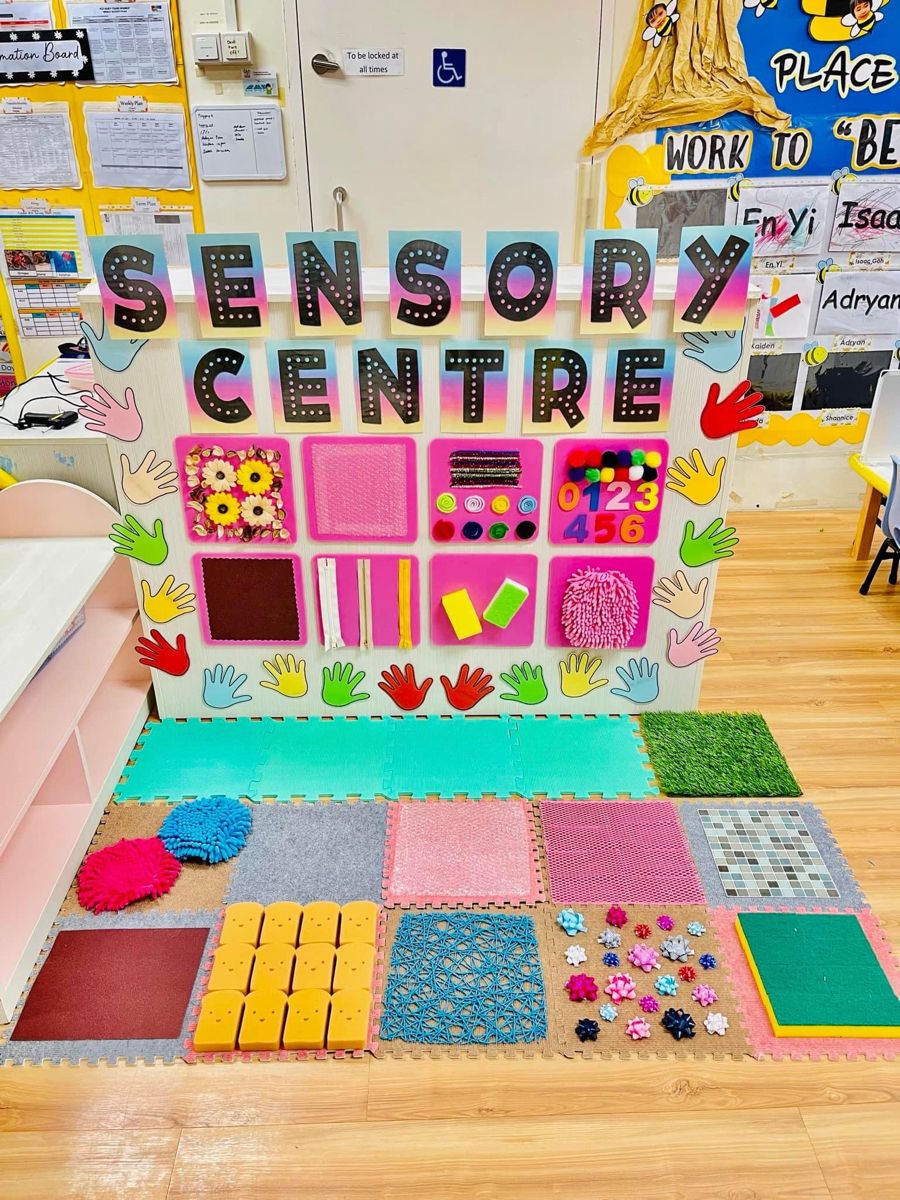
One cannot overstate the significance of sensory modulation. The sensory milieu of a school—bright fluorescent lights, cacophonous hallways, unpredictable tactile experiences—can be overwhelming. Preparation thus inevitably involves collaborating with school staff to tailor sensory accommodations that honor your child’s needs. This may include access to quiet zones, noise-canceling headphones, or modified lighting.
Furthermore, training your child in self-regulation techniques, such as deep breathing, weighted blankets, or stress balls, empowers them with tools to navigate sensory challenges independently. The promise here lies in transforming the school environment from a battleground into a sanctuary of empowerment and discovery.

Fostering Communication and Social Integration: Enabling Connections
Effective communication is the linchpin of social integration and emotional well-being. Preparing for a new school necessitates proactive strategies to bridge potential gaps. Explore augmentative and alternative communication (AAC) methods if verbal communication is challenging—this could encompass picture exchange communication systems (PECS) or digital communication apps.
Simultaneously, cultivating early social connections is invaluable. Facilitate introductions with teachers, therapists, and potential classmates before school starts. Role-playing social interactions and discussing friendship dynamics can prime your child for richer, more meaningful engagements. These efforts don’t merely ease transitions; they unlock the profound promise of genuine belonging, which is fundamental to a thriving educational experience.
Collaboration and Advocacy: Building a Support Network
Preparation is foremost a collaborative endeavor. Engage in active advocacy to ensure your child’s Individualized Education Program (IEP) or 504 Plan is meticulously crafted, encompassing clear goals and necessary accommodations. Cultivate a partnership with educators and support staff characterized by ongoing communication and mutual respect.
Moreover, linking with parent support groups or autism advocacy organizations can infuse new strategies, resources, and emotional fortitude. This network becomes a reservoir of strength as your child embarks on their new academic chapter, ensuring they never journey alone.
Embracing Flexibility and Celebrating Progress
Despite meticulous planning, unexpected challenges may surface. It is imperative to approach these moments with flexibility tempered by resilience. Viewing setbacks not as failures but as opportunities to recalibrate acknowledges the dynamic nature of growth and learning.
Celebrate small victories—be it a successful first day, a moment of self-advocacy, or mastering a new social skill. These milestones are the affirmations of progress and the quiet promise that your child is evolving within an environment attuned to their strengths and needs.
Preparing an autistic child for a new school is an intricate tapestry woven with insight, compassion, and collaboration. This preparation transcends logistical readiness and enters the realm of empowerment—offering the child a compass to navigate change with confidence and dignity. Through understanding, tailored strategies, sensory accommodation, communication facilitation, and steadfast advocacy, the daunting prospect of a new school year transforms into an inspiring journey of growth and discovery. The horizon shines brightly with promise.