In a world that often clings to labels and categories, it is paramount to move beyond reductive definitions and recognize the rich tapestry that each individual weaves. Autism, frequently portrayed through a limited lens, is often misunderstood as an all-encompassing identifier. Yet, for many children, autism is not a limitation but a facet that deepens their identity, enriching their experiences and perspectives in ways that broaden our collective understanding.
Reframing Identity: From Definition to Enhancement
When considering a child on the autism spectrum, the instinct can be to see autism as a defining characteristic—as if it is the sum total of their being. However, this perspective narrows the vibrant individuality of the child. Autism can enhance, not define, the essence of who they are. It offers unique cognitive frameworks, sensory experiences, and emotional nuances that contribute to a distinctive worldview. Rather than a label that confines, autism becomes one of many colorful threads woven into the fabric of their identity.

This paradigm shift encourages caregivers, educators, and communities to cultivate environments that celebrate individual strengths alongside support systems for areas of challenge, instead of focusing solely on deficits.
Unveiling Strengths: The Spectrum of Abilities
The spectrum in “autism spectrum disorder” is not just an epidemiological detail—it embodies the extraordinary diversity of capabilities and talents that children present. From profound attention to detail to exceptional memory, from heightened creativity to extraordinary problem-solving approaches, the attributes associated with autism often enhance a child’s interactions with the world.
For example, many children may demonstrate exceptional pattern recognition in mathematics or a deep affinity for music and arts that unfolds with nurturing. Recognizing and cultivating these strengths fosters an environment where the child thrives beyond the confines of clinical diagnosis.

Such recognition also breeds self-esteem and confidence, empowering the child to navigate social and academic worlds with authenticity and resilience.
The Intricacies of Self-Identification
Self-identification transcends medical labels. It is the child’s own understanding and articulation of their identity—an evolving process where they reconcile their neurological differences within the broader context of their personality and values. This journey is deeply personal and vital, as it frames how a child interacts with themselves and the society around them.
Encouraging children to embrace their differences positively empowers them. It nurtures self-advocacy and fosters inclusivity within peer groups. When children assert, “I have autism, but it does not define me,” they reclaim their narrative, highlighting empowerment rather than limitation.
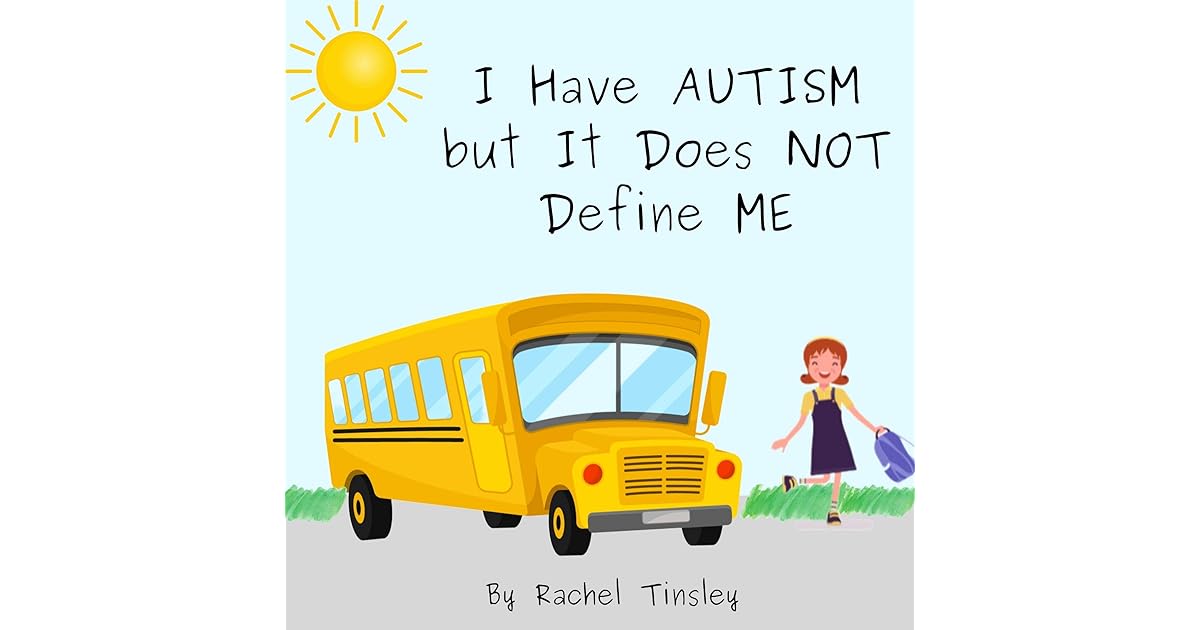
This assertion also educates others, dismantling misconceptions and inspiring communities to adopt more nuanced and empathetic perspectives.
Supporting Development Without Restriction
Supporting a child on the spectrum means more than addressing challenges; it involves fostering growth without imposing unnecessary boundaries. Approaches that emphasize strengths alongside areas of need create a balanced developmental trajectory, allowing the child to flourish holistically.
Interventions focused solely on normalization can be detrimental, overlooking the child’s natural proclivities and rhythms. Instead, tailored support that respects sensory preferences, communication styles, and emotional needs enhances learning and social interaction.
For instance, support for self-esteem growth plays an essential role. By cultivating environments that celebrate achievements, no matter how small, children develop a positive self-concept crucial for lifelong wellbeing.
Broadening Societal Perspectives
Our collective narrative around autism profoundly influences individual experiences. Shifting societal perspectives from a deficit-based model towards one that acknowledges enhancement and diversity fosters greater acceptance and support.
Communities that align values around inclusivity emphasize that differences are not impairments but variations of human expression. This worldview encourages the design of educational, social, and recreational spaces that are accessible, adaptive, and affirming.
Moreover, embracing neurodiversity enriches problem-solving and innovation on a communal scale. Diverse neurological perspectives challenge conventional thinking, driving creativity and empathy.
Conclusion: Embracing the Fullness of Identity
Autism does not exist in isolation but as a vibrant component of a child’s multifaceted identity. To perceive it solely as a defining trait is to overlook the richness it contributes—an enrichment that shapes unique strengths, perspectives, and capacities.
By transcending reductive labels, fostering environments that nurture individuality, and promoting societal acceptance, we champion children not just as individuals with autism but as whole people whose differences enhance their lives and ours. In this embrace, the narrative shifts from limitation to possibility, from definition to enhancement.