The world stands at the precipice of a profound transformation—one that beckons a re-examination of the narratives we hold about neurodiversity and the invaluable contributions of autistic individuals. To move beyond archaic misconceptions and incomplete portrayals, society must actively embrace more autistic voices in all spheres: cultural, educational, professional, and political. This imperative is not merely about representation; it promises a seismic shift in perspective, one that fosters greater understanding, empathy, and inclusivity.
The Limitations of Historical Narratives
For decades, autistic experiences were often filtered through third-party interpretations—primarily from medical professionals, caregivers, and researchers who positioned themselves as sole bearers of autistic realities. This gatekeeping of perspective cultivated a monoculture that inadvertently reinforced stereotypes and oversimplifications, overshadowing the diversity and complexity inherent within the autistic community.
When a group’s narrative is controlled externally, essential nuances are lost. Autistic individuals are frequently portrayed as deficits to be remedied rather than as unique beings with distinct strengths and perspectives. The world thus has been deprived of a vital lens through which it can understand cognition, communication, and social interaction in heterogeneous forms.
Reframing Expertise: The Power of Participatory Research
Participatory research, which actively involves autistic individuals as co-researchers and contributors rather than mere subjects, exemplifies the promise of shifting perspective. This methodological renaissance acknowledges that lived experience constitutes a form of expertise that complements empirical inquiry. Autistic voices lend authenticity and relevance that would otherwise remain inaccessible.
Such collaborative approaches unearth insights that traditional studies might overlook—ranging from the nuanced challenges in social environments to the sensory landscapes that shape everyday experiences. By amplifying these voices, research outcomes become not only richer but also more humane and actionable.
Autistic Voices as Catalysts for Societal Innovation
What if embracing autistic perspectives is a strategic advantage in an evolving world? The neurodiversity paradigm asserts precisely this. Autistic individuals often exhibit unique problem-solving skills, intense focus, pattern recognition, and novel creativity that fuel innovation when environments are attuned rather than restrictive.
Organizations and communities that integrate autistic insights discover not only enhanced products and services but also more inclusive cultures that resonate with an array of neurotypes. This alignment facilitates breakthrough thinking and cultivates environments where divergent cognition catalyzes growth rather than isolation.
Challenging Misconceptions and Redefining Acceptance
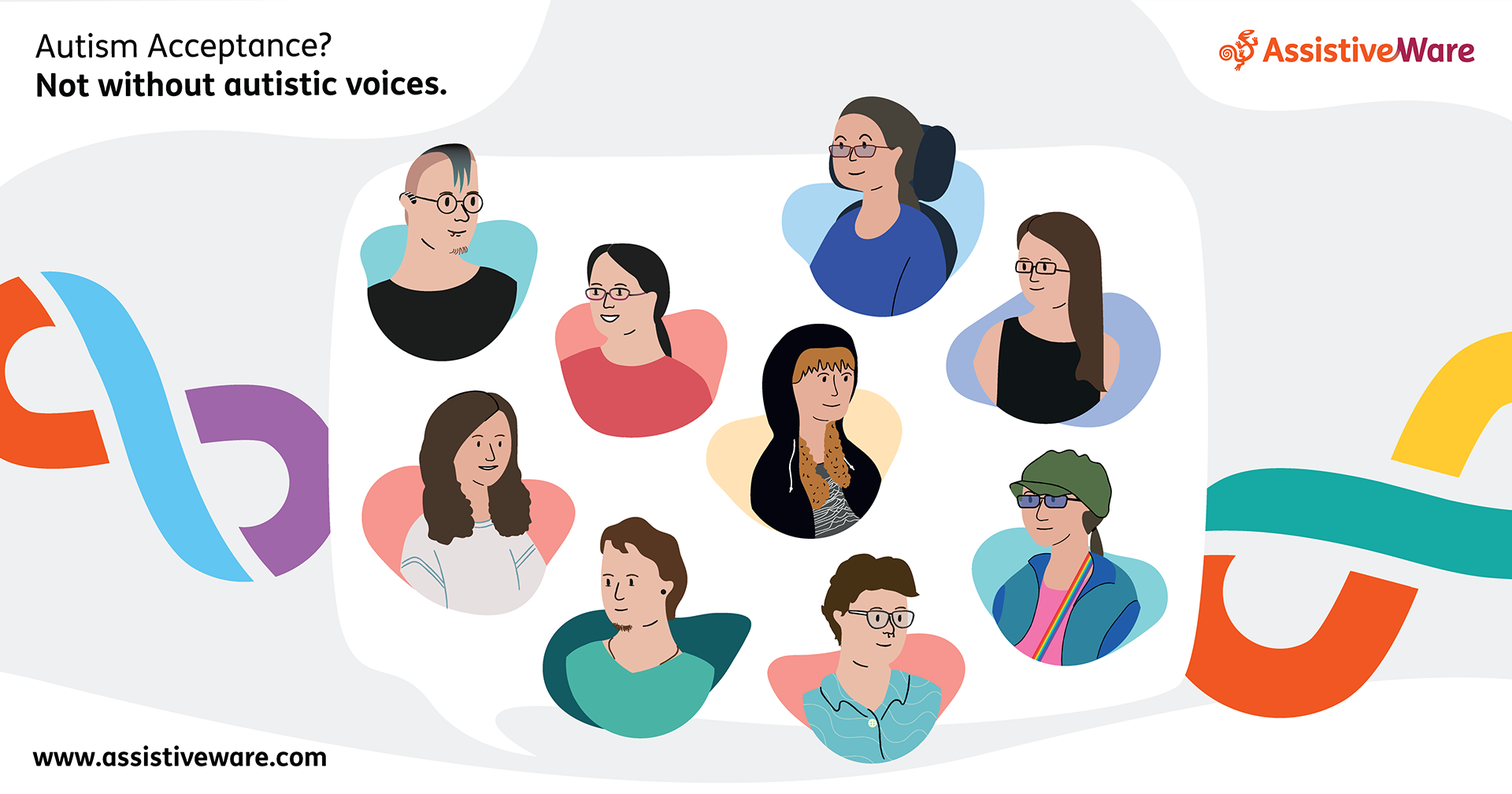
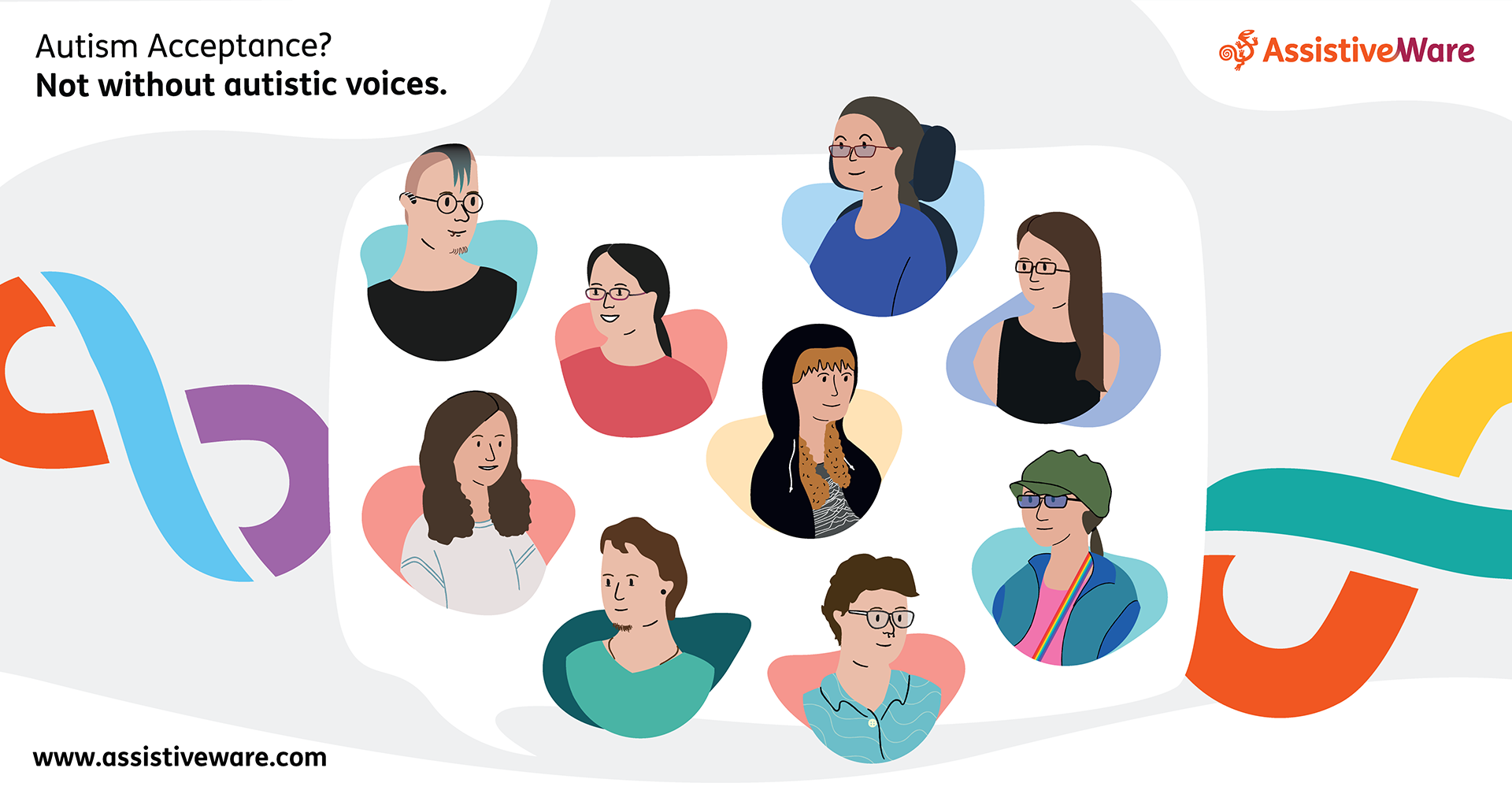
Acceptance is a term that often circulates without substantive implementation. It risks becoming performative if it excludes meaningful autistic participation. Genuine acceptance must involve listening to and centering autistic voices in conversations about policies, accommodations, and societal design.
By elevating these perspectives, myths such as those that conflate autism solely with incapacity or social withdrawal begin to erode. Instead, narratives shift towards recognizing autonomy, capability, and the right to self-determination. This redefinition not only dismantles stigma but also promotes empowerment on unprecedented scales.
Speech and Language Supports Rooted in Autistic Experience
Communication exists on a continuum, and for many autistic individuals traditional speech is not their primary mode of expression. It is here that the world must heed autistic voices to develop supportive frameworks tailored to genuine needs rather than presumptions. Effective speech and language interventions emerge when autistic people guide the conversation around what support looks and feels like from their standpoint.
This synergy has led to more nuanced and respectful modes of assistance—ranging from augmentative and alternative communication tools to community-based social opportunities crafted inclusively. By championing autistic participation, systems evolve beyond cookie-cutter solutions to bespoke, dignified support that celebrates diversity.

The Ethical Imperative of Inclusion
Beyond practical benefits lies an ethical imperative: embracing autistic voices honors the intrinsic dignity of every individual. Inclusion transcends utility; it is a moral commitment to equity and justice.
The refusal or neglect to listen perpetuates marginalization and compounds disparities. Conversely, enfranchisement fosters societal resilience, where diverse voices coalesce into a harmonious yet pluralistic chorus that reflects human complexity in its fullest form.
Conclusion: Pioneering a New Paradigm
The call for more autistic voices is not a marginal plea but a clarion summons to rethink how society understands intelligence, communication, and community. This paradigm shift invites curiosity—challenging assumptions and inviting inquiry into the manifold ways neurodivergence enriches the human tapestry.
Welcoming autistic perspectives promises more compassionate policies, innovative solutions, and authentic acceptance that transcends buzzwords. It is a transformative journey toward a future where all voices contribute to the narrative, and where listening becomes the catalyst for unprecedented human advancement.