Have you ever wondered why, despite autism spectrum disorder being widely recognized, an overwhelming majority of diagnosed cases tend to be boys rather than girls? Could it be that the very instruments and criteria developed to identify autism are inadvertently creating a gendered blind spot? This curious disparity invites us to delve deeper into the enigmatic intersection of autism and gender, illuminating why girls often remain undiagnosed and, consequently, underserved.
The Gender Discrepancy in Autism Diagnoses
Autism has long been stereotyped as a predominantly male condition, with reported ratios frequently cited as four males to every one female diagnosed. This glaring imbalance has fueled assumptions that girls are simply less susceptible to autism — an assumption that contemporary research increasingly challenges. Instead, the gender gap may be less about prevalence and more about perception, diagnostic criteria, and behavioral presentation.

One glaring question emerges: Are girls genuinely less autistic, or do they simply manifest their autistic traits in ways that traditionally evade clinical detection? This conundrum forces us to reconsider standardized evaluation tools and societal expectations that shape diagnosis processes.
Camouflaging: The Silent Strategy of Girls on the Spectrum
A salient factor in the under-diagnosis of girls is their often adept use of “camouflaging” or “masking” behaviors. Unlike boys, many girls on the spectrum unconsciously or deliberately imitate neurotypical social patterns, leveraging learned social mimicry to conceal difficulties with communication or repetitive behaviors. Imagine a child who meticulously rehearses facial expressions and conversational cues to blend seamlessly into group interactions; this subtle mastery can obscure evident signs of autism.
While camouflaging may offer superficial social integration, it exacts a psychological toll. The relentless effort to align with societal norms frequently leads to anxiety, exhaustion, and depression, effects that complicate clinical recognition. Consequently, diagnoses are not only delayed but sometimes missed until adolescence or adulthood when coping mechanisms falter.
Diagnostic Criteria: A Male-Centric Lens
The instruments and diagnostic frameworks employed by clinicians often stem from research predominantly involving males. As a result, the criteria emphasize behaviors and developmental patterns more conspicuous in boys, such as overt repetitive motions, overt social withdrawal, or pronounced fixations on objects like trains or mechanical devices. In contrast, girls might engage in subtler, socially acceptable special interests, such as animals, literature, or pop culture, which are less likely to raise suspicions of autism during evaluation.
Furthermore, behavioral manifestations in girls can be more nuanced, less disruptive, and more relationally oriented. For instance, while boys might exhibit externalizing behaviors like hyperactivity or aggression, girls may internalize distress, presenting as quiet withdrawal or perfectionism, thus slipping under diagnostic radars. This inadvertent gender bias embedded in assessment tools necessitates a comprehensive reevaluation to ensure equitable detection.
The Role of Societal and Cultural Expectations
Societal norms and gender roles further complicate the detection of autism in girls. From an early age, girls are often encouraged to be nurturing, compliant, and socially attuned—qualities that can mask autistic traits. When a girl displays withdrawn or atypical social behaviors, these are sometimes misattributed to shyness, mood disorders, or even parenting styles rather than neurodevelopmental differences.
Moreover, the cultural narrative surrounding femininity discourages the exhibition of overt atypical behaviors, prompting many girls to conform out of necessity. Teachers, caregivers, and even healthcare professionals may hold unconscious biases that reinforce these stereotypes, leading to delayed referrals for evaluations or misdiagnoses.
The Consequences of Under-Diagnosis
A failure to recognize autism in girls has multifaceted ramifications. Without an accurate diagnosis, these individuals are deprived of tailored support systems that could mitigate social difficulties, educational obstacles, and mental health challenges. The hidden struggles frequently culminate in secondary issues, including chronic anxiety, depression, and eating disorders, conditions that may overshadow the root causes.
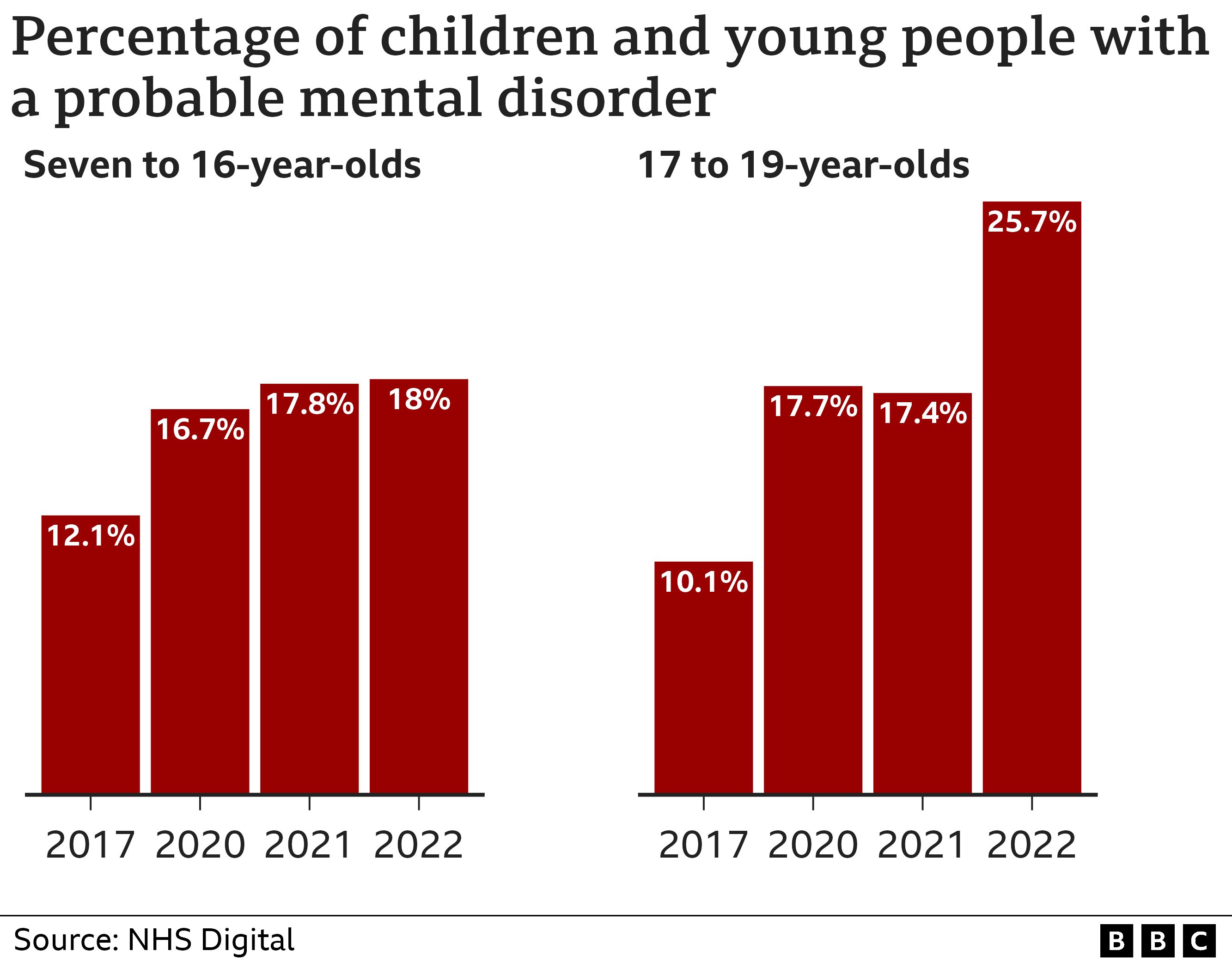
The insufficiency of support not only hampers quality of life but also obstructs potential. Girls undiagnosed with autism might underperform academically or experience profound social isolation, perpetuating a cycle of misunderstanding and neglect. Elevating awareness among educators, clinicians, and families is imperative to bridge these gaps.
Moving Toward Gender-Inclusive Diagnosis and Support
Recent advances emphasize the need for gender-sensitive screening tools and diagnostic approaches that account for the unique presentations of autism in girls. This entails incorporating qualitative assessments, parent and teacher observations that recognize camouflaging behaviors, and considering the broader psychosocial context of the individual.
Integrating these nuanced perspectives can lead to early, accurate identification, paving the way for interventions tailored to individual needs. Equally important is fostering environments that diminish stigma and encourage openness, enabling girls to express their experiences authentically without the pressure to conform silently.
Conclusion: Challenging the Status Quo
The gender gap in autism diagnosis is not merely a statistical curiosity but a clarion call to interrogate entrenched practices and biases. Recognizing that girls often inhabit the margins of autism awareness urges us to expand our frameworks, embrace complexity, and advocate for inclusive approaches.
Ultimately, reframing the conversation around autism and gender requires vigilance, empathy, and a commitment to uncovering the invisible narratives. When the silent struggles of girls on the spectrum are illuminated, society stands to gain a richer, more comprehensive understanding of neurodiversity, ensuring that no one is overlooked because of the interplay between gender and diagnosis.