Each turn of the calendar invites introspection, signaling a chance to reimagine the coming year through the prism of New Year’s resolutions. This ritual, steeped in tradition, often encourages setting ambitious goals framed by societal expectations of productivity and transformation. For individuals on the autism spectrum, however, this annual custom beckons a distinctive approach—one that embraces nuance, honors individuality, and champions attainable progress. Viewing resolutions as more than mere checkboxes for change prompts a profound shift in perspective: from rigid aspirations to compassionate, realistic goal-setting that nurtures growth without sacrificing well-being.
The Unique Landscape of Autism and Goal Setting
Autism, with its rich tapestry of neurodiversity, entails a broad spectrum of experiences and challenges. Executive functioning—the mental processes that enable planning, focusing, and task completion—can present obstacles that complicate conventional goal-setting frameworks. Sensory sensitivities and communication differences may further influence how goals are perceived and pursued. Recognizing these facets is essential in transcending one-size-fits-all resolutions, cultivating an ethos of self-understanding and patience instead.

The allure of ambitious targets often clashes with lived realities, potentially leading to frustration or feelings of inadequacy. Therefore, adapting resolutions to accommodate these variations transforms the promise of self-improvement into a celebration of unique strengths and gentle progress. This mindset recognizes that success on the autism spectrum encompasses a myriad spectrum of victories, from small sensory triumphs to meaningful social engagements.
Reframing New Year’s Resolutions: From Rigid to Realistic
Traditional resolutions typically prioritize sweeping changes—losing weight, mastering new skills, or drastically altering lifestyle habits. While well-intentioned, such sweeping mandates often fail to consider the importance of incremental advances and the need for flexibility in execution. For those with autism, a reframing of resolutions as personalized, attainable objectives can mitigate the emotional toll of unmet expectations.

What if resolutions morphed into a series of micro-commitments? Instead of vowing to “be more social,” a goal may be to initiate one meaningful interaction in a week, or to simply observe social cues during one event. The forward motion remains intact, but the scale is calibrated to resonate authentically. This approach fosters perseverance, allowing for incremental mastery and validating efforts without overshadowing personal rhythms.
Strategies to Craft Achievable and Meaningful Resolutions
Constructing resolutions for autistic individuals demands a synthesis of insight, empathy, and strategy. Here are essential guiding principles:
- Personalization Over Generalization: Reflect on specific interests and challenges rather than generic benchmarks. The objective is to align resolutions with intrinsic motivation.
- Concrete and Measurable Goals: Ambiguity undercuts progress. Concrete goals with clear parameters—such as spending 10 minutes practicing a sensory regulation technique daily—cultivate clarity and purpose.
- Incremental Steps: Larger ambitions break down into small, manageable milestones, each serving as a touchpoint for assessment and encouragement.
- Flexibility and Self-Compassion: Plans should adapt gracefully to changing circumstances, allowing space for rest and recalibration without guilt.
- Support Networks: Engaging trusted allies—whether family, therapists, or peer groups—introduces encouragement and accountability in a nurturing context.
Such strategies transform resolutions from lofty declarations into lived experiences, each step reinforcing self-efficacy and agency.
The Role of Sensory Awareness and Emotional Regulation
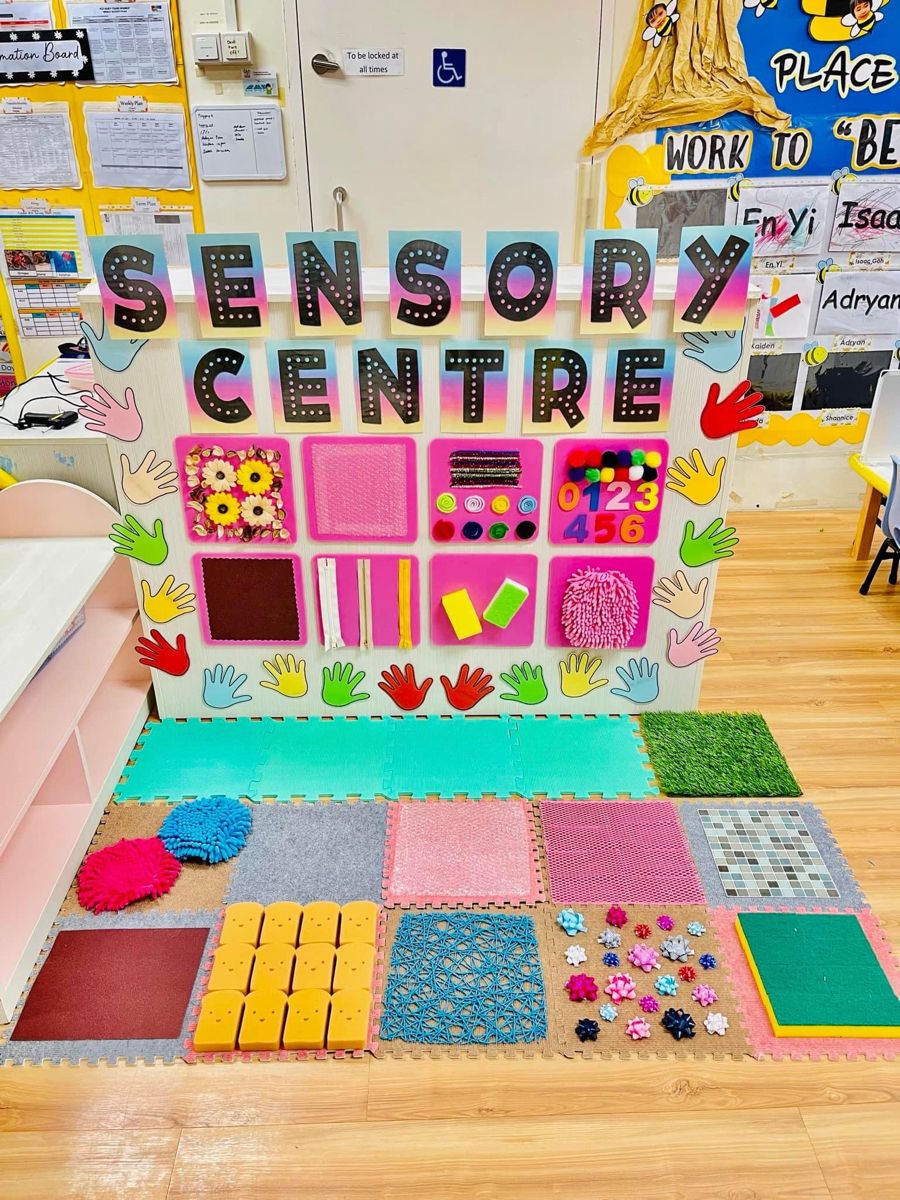
Sensory processing often interplays significantly with emotional well-being for autistic individuals, influencing daily routines and resilience in goal pursuit. Resolutions incorporating sensory awareness—learning to identify triggers or elements that provide comfort—offer profound benefits. Equipping oneself with tools for emotional regulation, such as mindfulness practices or tailored environmental adjustments, lays the foundation for steady progress.

This holistic approach shifts the narrative of resolution-setting away from sheer achievement toward equilibrium, honoring the intricate balance between aspiration and self-care.
Celebrating Diverse Achievements and Redefining Success
Success, often narrowly defined by societal standards, requires expansion in this context. Every resolved challenge—be it sustaining eye contact for moments, mastering a new self-regulation technique, or engaging meaningfully in a hobby—deserves recognition. This celebration nurtures motivation and dismantles internalized stigma, cultivating an aspirational yet forgiving environment.
Moreover, reframing resolutions as evolving promises rather than rigid edicts allows for organic growth transcending the calendar year. It permits reflection, adaptation, and above all, self-acceptance.
The act of setting New Year’s resolutions, when approached thoughtfully for individuals on the autism spectrum, evolves beyond perfunctory rituals. It transforms into an empowering journey that catalyzes self-awareness, honors distinct neurologies, and fosters sustainable growth. By embracing realistic goals—anchored in personal understanding and compassion—autistic individuals can redefine what transformation truly means. This paradigm shift invites everyone to witness progress not as perfection, but as an ongoing narrative of resilience, dignity, and hope.