Imagine stepping into an intricate labyrinth, where every turn reveals new mysteries about your child’s development. The journey to understanding autism is much like navigating this complex maze—filled with subtle signs, hidden clues, and the ever-present desire to offer your child the best possible support. The question “Does my child have autism?” is profoundly important and deeply personal. This guide serves as a thoughtful compass, a quiz of sorts, to help discern early signs of autism in children—offering clarity where uncertainty once prevailed.
Understanding Autism Spectrum Disorder: A Complex Puzzle
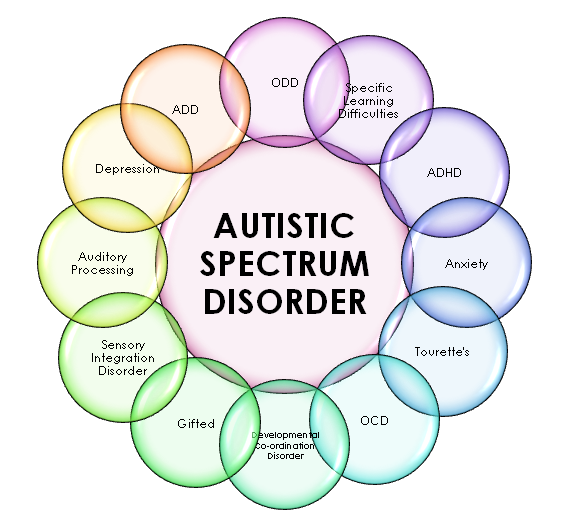
Autism Spectrum Disorder (ASD) is not a singular diagnosis but a spectrum of neurodevelopmental variations, encompassing a range of characteristics that differ widely from child to child. Think of autism as a symphony rather than a solo performance—each individual contributing a unique rhythm and tone. The earliest signs can be faint, like background harmonies, easily missed if one is not attuned to the nuances. Recognizing these early indicators can dramatically affect developmental trajectories and access to tailored interventions.
Communication Differences: The Silent Language
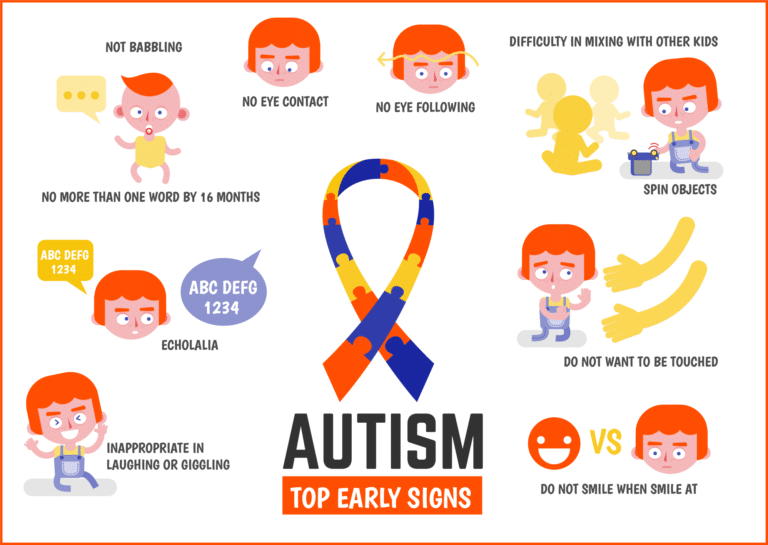
One of the earliest windows into autism is the subtle dance of communication, where spoken language and non-verbal cues take center stage. Children on the spectrum might exhibit delayed speech, or in some cases, an absence of speech altogether. Unlike the expected crescendo of cooing and babbling, their vocalizations may be infrequent or atypical.
Beyond verbal communication, the language of gestures—eye contact, pointing, and facial expressions—often holds key insights. A child who rarely maintains eye contact may be signaling a unique way of processing the world around them. This isn’t evasion but rather an alternate mode of engagement, akin to reading a book in a language only they fully comprehend.
Social Interaction: The Enigmatic Dance
Social engagement is like a choreographed dance, full of unspoken expectations and mutual responses. Children with autism may interpret this dance through a different lens. They might seem indifferent to social overtures or prefer solitary play, creating an impression of emotional distance. Yet behind this preference often lies a profound internal world rich with thoughts and emotions, awaiting the right moment and method to be shared.
Watching for diminished interest in peers, little initiation of social contact, or challenges understanding social norms can be crucial early signs. What appears as withdrawal may be the child’s way of navigating a world that feels overwhelming or confusing.
Repetitive Behaviors and Restricted Interests: Patterns in the Chaos
In the tapestry of childhood behaviors, repetitive actions and focused interests form distinctive threads for many children on the autism spectrum. These behaviors could manifest as hand-flapping, rocking, or an unrelenting fascination with specific objects or topics. Such patterns provide comfort, predictability, and a sense of control in an otherwise tumultuous sensory world.
While repetition might be dismissed as mere habit, it is, in essence, a child’s personal anchor—a rhythmic pulse amid external unpredictability. Recognizing these repeated behaviors as meaningful signals rather than oddities opens the door to empathy and constructive support.

Sensory Sensitivities: A World Amplified
The sensory environment surrounds us like an invisible ocean. For children with autism, this ocean can feel more like a tempest—sounds, textures, lights, and smells can be overwhelming or, conversely, underwhelming. Sensory responses might include extreme reactions to common stimuli, such as covering ears at everyday noises or fascination with bright lights.
It’s essential to observe how your child responds to sensory experiences. Unusual reactions—whether hyper-reactivity or hypo-reactivity—can be among the earliest indicators of autism. These sensitivities shape how the child interacts with their environment, potentially influencing behaviors and emotional responses.
Developmental Milestones: The Subtle Shifts
Tracking developmental milestones is often the first step parents take in assessing their child’s progression. Delays in sitting, crawling, walking, or talking can raise flags, although the absence of typical delays does not preclude an autism diagnosis.
Attention to more nuanced milestones—such as the ability to imitate actions, respond to their name, or engage in pretend play—can be equally telling. These subtle markers are like faint footprints, guiding caregivers along the intricate path towards understanding their child’s unique developmental story.
When to Seek Professional Evaluation
Should your observations raise concern, it is imperative to seek a comprehensive professional evaluation. Early diagnosis is a gateway to evidence-based interventions such as Applied Behavior Analysis (ABA) therapy, which can significantly enhance adaptive skills. Early intervention is not merely a clinical recommendation but an empowering step, illuminating pathways for growth and connection.
Remember, no single sign confirms autism. It is the constellation and continuity of behaviors, carefully considered by specialists, that best inform a diagnosis. Collaborating with pediatricians, developmental psychologists, and therapists ensures a multi-faceted understanding and individualized approach.
The Unique Appeal of Early Awareness
Recognizing early signs of autism is analogous to discovering an undiscovered map. It reveals territories not visible to the untrained eye, filled with potential, challenges, and unparalleled beauty. Awareness transforms apprehension into action and uncertainty into informed confidence.
Each child’s neurodiverse experience is an invitation to broaden perspectives, embrace variation, and cultivate patience. By tuning into early indicators, parents become proactive navigators, creating supportive environments where children can thrive authentically.
In this journey, the question “Does my child have autism?” evolves from a source of anxiety to a prompt for discovery. It encourages gentle observation, careful reflection, and the courage to seek answers—essential steps toward fostering resilience and unlocking your child’s fullest potential.