Have you ever wondered how to transform a toddler’s exploratory world into a sanctuary of sensory delight, especially when that toddler experiences the world through the unique lens of autism? The quest to find toys that not only entertain but also soothe and stimulate can feel like navigating a labyrinth. Autistic toddlers often face the paradox of craving sensory input while simultaneously being overwhelmed by it. This delicate balance poses an intriguing challenge: how can we select toys that foster development without overstimulation?
Understanding the Sensory Needs of Autistic Toddlers
Before delving into specific toys, it is crucial to appreciate the nuanced sensory profiles that many autistic children exhibit. Their sensory processing may be either hypersensitive or hyposensitive, meaning that certain textures, sounds, or visual stimuli can either provoke distress or fail to register adequately. Hence, sensory-friendly toys must be crafted to cater to these multifaceted needs–providing calming tactile feedback, controlled auditory experiences, and gentle visual stimuli to enhance engagement without overwhelming the senses.
The Role of Sensory Toys in Developmental Enhancement
Sensory toys fortify not just recreational joy but catalyze pivotal developmental milestones. Fine motor skills, hand-eye coordination, social interaction, and cognitive reasoning are subtly but effectively nurtured through tactile play. The texture, weight, resistance, and even the temperature of these toys evoke sensory integration, helping toddlers to modulate their responsiveness to external stimuli. Thus, each toy becomes more than a plaything—it serves as an instrument of therapeutic progress wrapped in delight.
20 Sensory-Friendly Toys for Autistic Toddlers
1. Textured Sensory Balls
Soft, pliable balls embedded with varied textures encourage grasping, squeezing, and tossing activities. Their malleable nature soothes tactile sensitivities while promoting hand strength.

2. Weighted Lap Pads
Providing deep pressure input, these lap pads envelop the toddler’s limbs, offering a tranquilizing effect that helps them maintain focus during playtime or quiet moments.
3. Chewable Teething Necklaces
Made from safe, non-toxic silicone, these necklaces address oral sensory needs and can help reduce anxiety and self-soothing behaviors.
4. Light-Up Fidget Spinners
Combining visual stimulation with a repetitive tactile motion, these toys create a captivating focus point without producing overwhelming auditory stimuli.
5. Sensory Play Mats
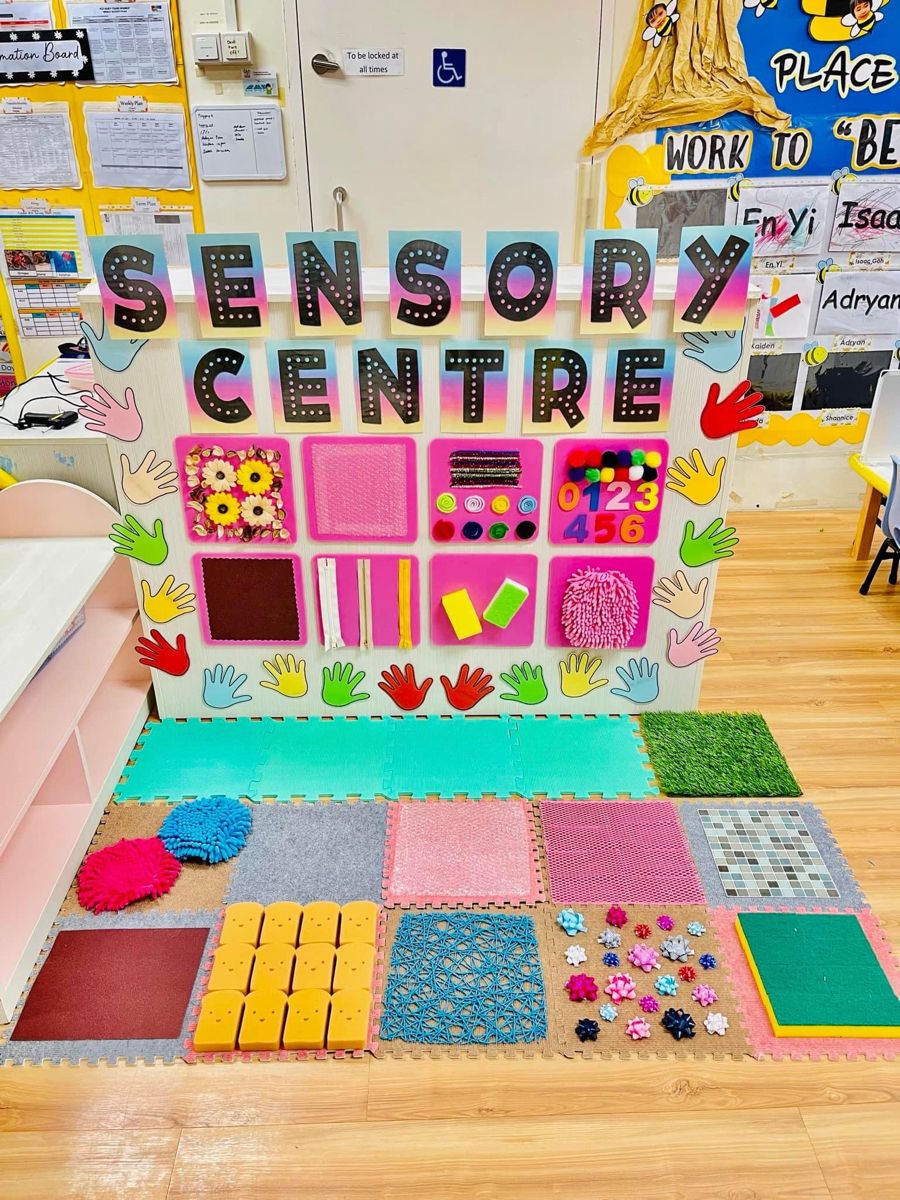
Crafted with diverse surface textures—bumps, ridges, and nubs—these mats invite crawling toddlers to explore and strengthen their proprioception.
6. Bubble Machines
The gentle flurry of floating bubbles appeals to visual tracking skills and can elicit joyful, calming responses, bridging sensory pursuit and quiet engagement.
7. Kinetic Sand
This moldable medium offers a novel tactile experience that feels soothing and intoxicatingly malleable, promoting creativity while refining fine motor control.
8. Soft Fabric Books
Embedded with crinkly sounds and patches of varying textures, these books stimulate tactile exploration and auditory discrimination during quiet play.
9. Vibrating Massage Toys
Gentle pulsations deliver calming proprioceptive input helping to modulate sensory overload and encourage self-regulation.
10. Musical Instruments with Adjustable Volume
Toys like small keyboards or drums with volume control facilitate an auditory experience that can be tailored to the child’s comfort, fostering musical curiosity.
11. Color-Changing Sensory Bottles
Filled with swirling liquids and glitter, these bottles captivate with mesmerizing visual patterns, fostering patience and focus.
12. Foam Building Blocks
Lightweight and soft, these blocks beg to be stacked and knocked down, encouraging motor planning without the worry of injury.
13. Soft Plush Weighted Animals
Combining the comfort of a plush toy with the calming effect of gentle weight distribution, these animals double as soothing companions.
14. Tactile Puzzle Boards
Featuring raised, textured pieces that fit into slots, these puzzles encourage problem-solving and tactile discrimination.
15. Stretchy Resistance Bands
Giving proprioceptive muscle feedback, these bands help toddlers channel their energy positively and improve strength and coordination.
16. Glow-in-the-Dark Stickers
Offering a captivating visual sensory experience, these stickers decorate a toddler’s space, creating a calming dim light environment.
17. Sensory Swing Seats
These provide vestibular input that can be deeply grounding, supporting balance and spatial orientation while delivering enjoyable motion.
18. Soft Foam Balls with Bells Inside
Their soft exterior combined with gentle jingling sounds marry tactile and auditory stimulation delicately tailored for sensitive ears.
19. Water Play Tables
Engaging multiple senses simultaneously—tactile, visual, and sometimes auditory—water tables grant opportunities for exploratory learning.
20. Puzzle Blocks with Varied Textures and Shapes
Encouraging both sensory exploration and cognitive challenge, these blocks stimulate curiosity and tactile investigation in one compact toy.
Choosing the Perfect Toy: Considerations and Strategies
When selecting sensory toys for autistic toddlers, it is essential to prioritize compatibility with the child’s unique responses. Observe preferences for texture, sound, and motion attentively. Opt for toys that provide multi-sensory input without being overwhelming. Durability and safety are paramount, given the tendency for intense tactile exploration. Moreover, incorporating toys that offer controlled variability—such as adjustable volume or interchangeable textures—can offer adaptable sensory experiences as the child’s needs evolve.
Integrating Sensory Toys into Everyday Play
Embedding sensory-friendly toys into daily routines enhances their efficacy. Consider pairing sensory play with structured activities like storytime or music sessions. This approach not only strengthens developmental domains but also gently eases transitions between tasks. Caregivers and educators play a pivotal role in modeling interaction and encouraging shared play, which nurtures social connections and language acquisition. The careful curation of a sensory-rich environment will bolster confidence and curiosity in toddlers navigating the complexities of their sensory universe.
In essence, sensory-friendly toys for autistic toddlers are more than simple amusements—they are bridges to development, comfort, and joy. They echo the delicate dance between stimulation and calm, celebrating each child’s individuality. Through thoughtful selection and purposeful play, the playground of life becomes a canvas where every touch, sound, and sight invites discovery, empowerment, and boundless wonder.