In a world where every step feels like a negotiation, where the simple act of wearing shoes becomes a battleground of textures, temperatures, and pressures, autistic children with sensory issues face a daily challenge that most of us never pause to consider. The wrong pair of shoes can transform a walk into an ordeal—seams that chafe, laces that tighten like shackles, or materials that scream against sensitive skin. Yet, the right shoes don’t just fit the foot; they fit the soul. They whisper comfort where others shout discomfort, they cradle the foot like a second skin, and they turn the act of stepping outside into an act of liberation rather than endurance. This isn’t just about footwear. It’s about reclaiming agency, about giving children the freedom to explore the world without the weight of sensory overload pressing down on them. The best shoes for autistic children with sensory issues aren’t merely functional—they’re transformative.
The journey to finding these shoes begins with understanding that sensory needs are as unique as fingerprints. What soothes one child may agitate another; what feels like a cloud to one might feel like a boulder to someone else. The key lies in recognizing the nuances—whether it’s the gentleness of seamless designs, the breathability of moisture-wicking fabrics, or the stability of a snug yet flexible sole. It’s about more than just softness; it’s about creating an environment where the foot can thrive, where every step is a step toward confidence rather than compromise. This guide isn’t just a list of recommendations. It’s a roadmap to redefining comfort, to turning the mundane into the magical, and to ensuring that no child has to choose between their shoes and their peace.
The Sensory Symphony: Why Standard Shoes Fail
Imagine slipping your foot into a shoe that feels like a cast of concrete, its rigid structure resisting every movement as if it were designed to punish rather than protect. For autistic children with sensory processing differences, this isn’t an exaggeration—it’s a reality. Standard shoes, with their seams, laces, and synthetic materials, often trigger a cascade of discomfort. The slightest pressure point can feel like a thousand needles, the tightness of a lace like a noose, and the synthetic fabrics like a second skin that refuses to breathe. These shoes don’t just fail to accommodate sensory needs; they actively work against them.
The problem isn’t just physical. It’s psychological. When every step is met with resistance, when the body is constantly in a state of alert, the mind follows suit. Anxiety builds, avoidance becomes a coping mechanism, and the simple act of wearing shoes morphs into a source of dread. The shoes that are supposed to facilitate movement instead become a barrier, a reminder of how the world often overlooks the needs of neurodivergent individuals. The shift in perspective begins with acknowledging this failure—not to dwell on it, but to move beyond it. The right shoes don’t just fit the foot; they fit the child’s entire experience of the world.
The Anatomy of Comfort: What to Look For
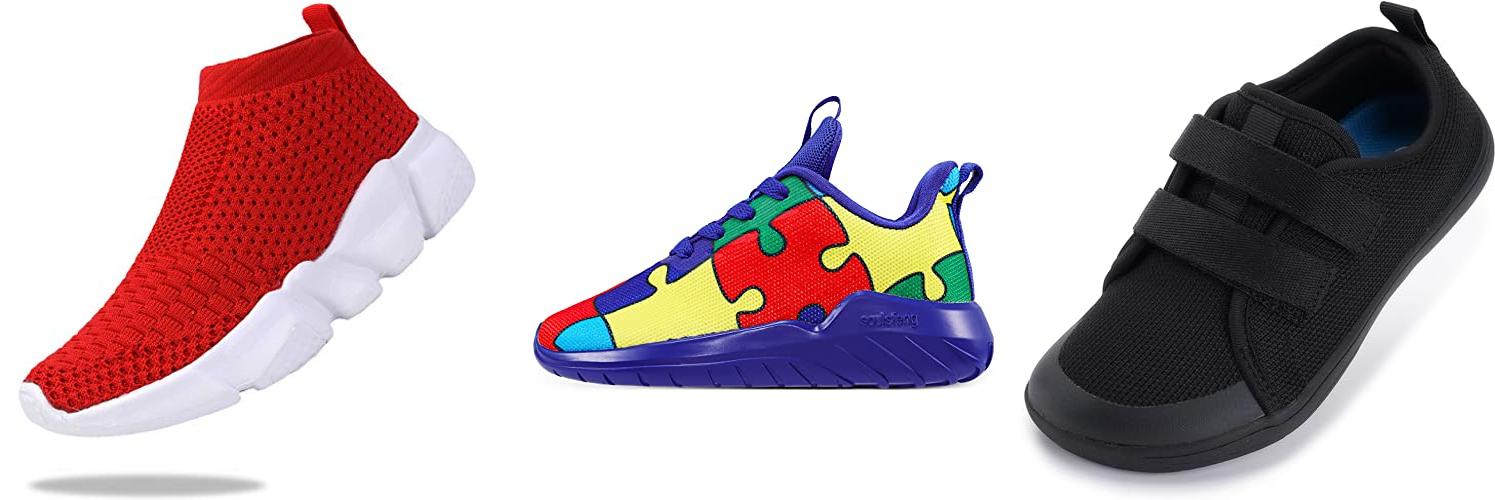
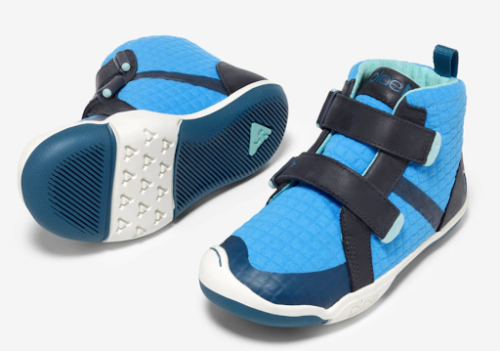
To find shoes that truly cater to sensory needs, one must dissect the very components that make up a shoe. It starts with the upper material—soft, stretchable fabrics like cotton or bamboo blends that yield to the foot rather than resist it. Seamless designs are non-negotiable; even the slightest stitch can feel like a ridge of sandpaper against sensitive skin. Next, consider the closure system. Velcro straps or elastic laces eliminate the struggle of tying, the pressure of knots, and the unpredictability of slipping laces. They offer control without constraint, a rare balance in a world that often demands conformity.
The insole is another critical frontier. Memory foam or gel inserts mold to the foot’s contours, providing a cocoon of support that disperses pressure evenly. For children who are particularly sensitive to temperature, breathable materials like mesh or moisture-wicking synthetics prevent the foot from becoming a swamp of sweat and discomfort. Even the sole plays a role—flexible yet sturdy, it should mimic the natural gait rather than force it into an unnatural rhythm. The best shoes for sensory needs aren’t just about avoiding discomfort; they’re about creating an environment where the foot can move freely, where every step is a step toward ease rather than endurance.
Top Contenders: Shoes That Redefine Comfort
Among the sea of options, a few brands and models stand out as beacons of sensory-friendly design. PLAE, for instance, has carved a niche with its seamless, ultra-soft uppers and adjustable closures, making it a favorite among parents and therapists alike. Their shoes are designed to be as adaptable as they are comfortable, with options that grow with the child’s foot. Similarly, Zappos Adaptive offers a range of sensory-friendly styles, from slip-ons to sneakers, all with Velcro or magnetic closures that eliminate the frustration of traditional laces.
For children who need extra support, Orthofeet’s sensory-friendly line combines orthopedic benefits with sensory accommodations, featuring wide toe boxes and cushioned insoles that cradle the foot without restricting movement. Meanwhile, Stride Rite’s Soft Motion collection focuses on flexibility and breathability, using lightweight materials that adapt to the foot’s natural shape. Each of these options represents a different approach to the same goal: to turn the act of wearing shoes from a sensory minefield into a seamless experience.
Beyond the Shoe: Creating a Sensory-Friendly Footwear Routine
Finding the right shoes is only half the battle. The other half lies in integrating them into a routine that respects the child’s sensory needs. Start with gradual exposure—let the child wear the shoes indoors for short periods, building tolerance without pressure. Pair this with positive reinforcement, whether it’s a sticker chart or verbal praise, to associate the shoes with good experiences. For children who are particularly resistant, consider using visual schedules or social stories to explain the benefits of the shoes in a way that resonates with them.
Don’t overlook the importance of socks. Seamless, moisture-wicking socks made from bamboo or organic cotton can further enhance comfort, reducing the risk of irritation. And when it’s time to transition between shoes, do so gently. Some children may need to wear their sensory-friendly shoes indoors before venturing outside, while others might benefit from a gradual increase in wear time. The goal isn’t just to get the shoes on—it’s to make them a seamless part of the child’s daily life.
The Ripple Effect: How Comfort Transforms Lives
The impact of the right shoes extends far beyond the feet. When a child no longer has to fight against the discomfort of their footwear, they gain something far more valuable: confidence. They step into the world with a sense of security, their movements unencumbered by sensory distractions. This newfound freedom can ripple outward, influencing their interactions, their willingness to explore, and their overall well-being. Parents, too, experience a shift—a release of the constant worry that comes with knowing their child is in pain with every step.
There’s also the matter of social inclusion. Children who struggle with sensory issues often face exclusion, whether it’s from playgrounds, field trips, or simply playing with peers. The right shoes can level the playing field, allowing them to participate without the fear of discomfort holding them back. They become just another child in the crowd, not a child defined by their struggles. This isn’t just about footwear. It’s about dignity, about giving children the tools they need to navigate the world on their own terms.
The search for the perfect pair of shoes for an autistic child with sensory issues isn’t just a practical endeavor—it’s an act of empathy. It’s a recognition that comfort isn’t a luxury; it’s a necessity. It’s a commitment to understanding that the world can be a gentler place, one step at a time. The shoes that emerge from this search aren’t just functional; they’re revolutionary. They don’t just fit the foot. They fit the child’s entire experience of the world, transforming the mundane into the magical and the challenging into the manageable. In the end, the best shoes are those that allow a child to step forward—not with hesitation, but with confidence.