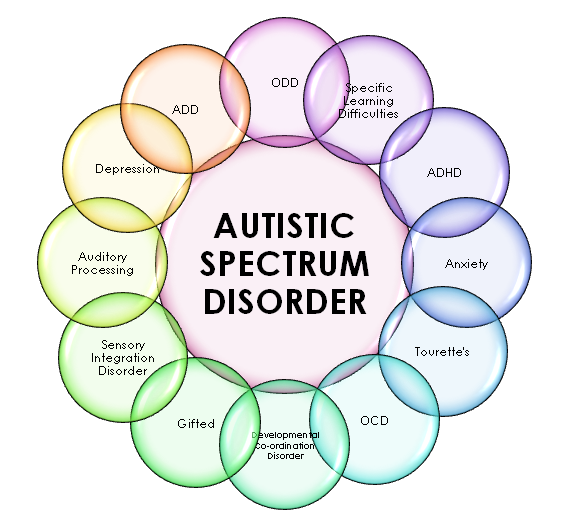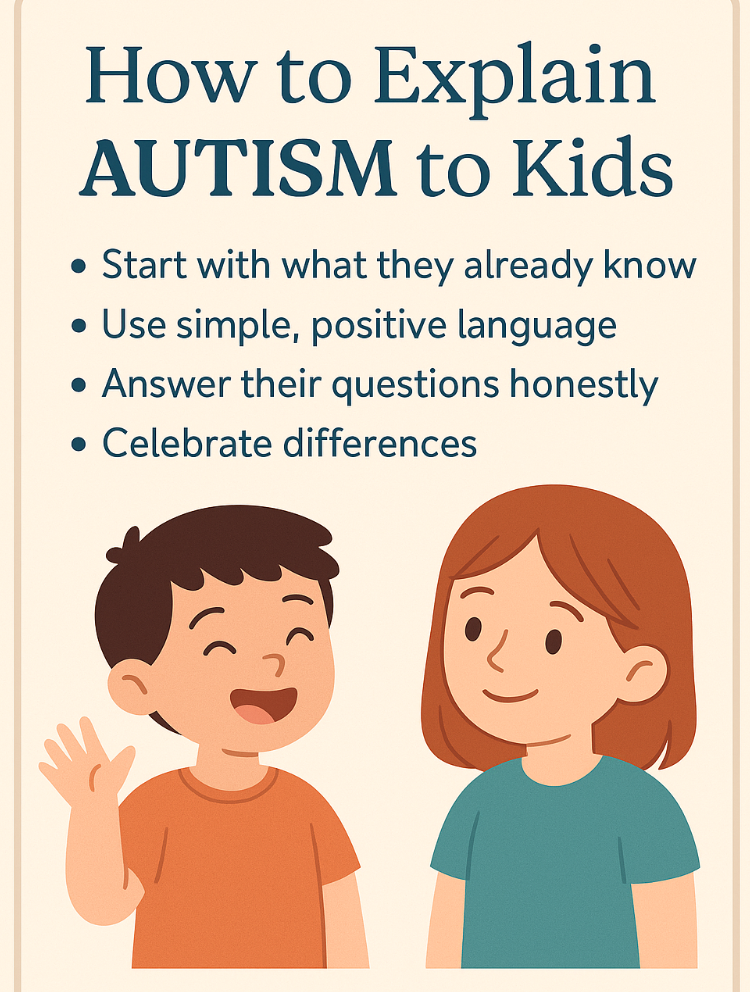
Explaining autism to your child’s classmates is a delicate yet profoundly impactful endeavor. It fosters empathy, nurtures understanding, and creates an inclusive environment where differences are celebrated rather than stigmatized. When approached thoughtfully, this conversation can demystify misconceptions and empower children to develop compassion toward their peers who experience the world differently. This article explores various methods and content types that can guide parents, educators, and caregivers through this meaningful process.
Understanding Autism Spectrum Disorder (ASD) in Child-Friendly Terms
Before initiating any discussion with a group of children, it is crucial to distill the essence of autism into language that is accessible and relatable. Children absorb information visually and emotionally, so defining autism as a unique way of thinking and experiencing the world provides a solid foundation. Highlight that autism is a spectrum, meaning each individual has a distinct set of traits and strengths.
For instance, you might say: “Autism means someone’s brain works in a special way. Sometimes that means they might think differently or need more help with certain things, and that’s okay.” Such explanations set a compassionate tone, steering clear of pathologizing language and focusing instead on diversity.
Employing Visual Aids for Enhanced Comprehension
Children benefit greatly from visual learning tools. Incorporating images, diagrams, or simple infographics can make abstract concepts more tangible. Visual aids depicting everyday scenarios—such as a child needing quiet space or preferring routines—bridge understanding gaps without overwhelming young minds with information.
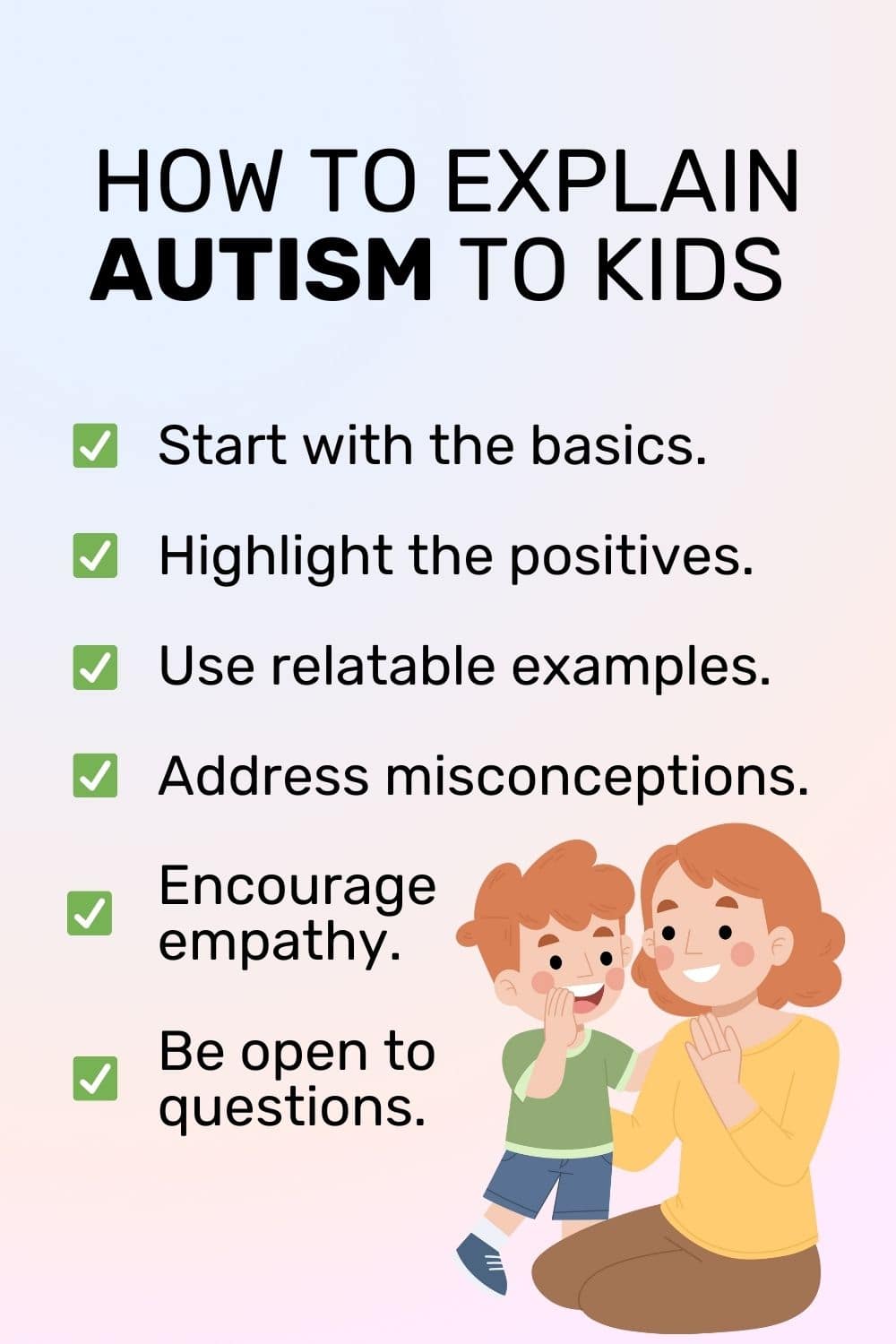
Furthermore, graphic storybooks or illustrated cards portraying children with autism navigating school life can facilitate empathy. These resources help classmates identify with their peer’s experiences, reinforcing the idea that while some challenges exist, they coexist with unique talents and joys.
Stories and Analogies: Making the Abstract Concrete
Narratives are a powerful conduit for comprehension, especially for children. Stories centered around characters with autism invite classmates to step into the shoes of their peers, fostering a personal connection. Analogies can translate complex neurological differences into familiar terms, such as comparing the brain to a computer running different software.
For example: “Imagine if everyone’s brain was like a radio playing music. Some radios play one kind of song, and others play something completely different—but all the songs are special and important.” This analogy gently cultivates acceptance and curiosity.
Interactive Activities to Promote Engagement
Engagement increases retention. Activities like role-playing, games, and collaborative projects allow children to actively reflect on the concepts discussed. Role-playing, where some classmates simulate sensory sensitivities experienced by autistic children—like covering ears when sounds become overwhelming—build empathy through experiential learning.
Similarly, collaborative projects focused on celebrating differences can create a tangible outcome, promoting teamwork and mutual respect. Such activities underscore that diversity enriches the classroom rather than divides it.
Addressing Common Myths and Misconceptions
Children may have heard inaccurate or incomplete information about autism. Addressing myths head-on prevents the formation of stereotypes. Common misconceptions include ideas that autistic children do not want friends or cannot communicate feelings. Clearly explaining that every child is different and may express themselves in their own ways helps dismantle these erroneous beliefs.
Incorporate questions and answers in the session to clarify misunderstandings. This transparent approach encourages classmates to voice curiosity respectfully and reinforces that learning is an ongoing journey.
Highlighting Strengths Alongside Challenges
Balance in portrayal is vital. Autism is often presented with an emphasis on hurdles, but equally important is celebrating unique skills and qualities. Some children with autism excel in detail-oriented tasks, problem-solving, or creative pursuits.
Sharing stories of autistic individuals who have contributed creatively, academically, or socially highlights the multifaceted nature of autism. This approach instills pride in neurodiversity and models respect for individual differences.
Providing Practical Tips for Classmates
Empowering children with concrete actions nurtures an inclusive culture. Tips might include how to be a good friend, the importance of patience, or understanding that sometimes their peer needs space or quiet moments. Advice such as “ask before you touch” or “use simple words if they get upset” equips classmates with tools for positive interaction.
These guidelines transform abstract empathy into everyday behaviors, creating a supportive social environment.
Utilizing Technology and Multimedia Resources
Technology offers dynamic avenues for education. Age-appropriate videos featuring children or experts explaining autism can captivate young audiences. Multimedia presentations integrate sights and sounds to reinforce key messages and accommodate different learning styles.

Interactive apps that simulate sensory experiences or social scenarios promote deeper understanding and inclusion among classmates. This technology-driven content complements in-person discussions, making learning both engaging and multifaceted.
Collaborating with Educators and Specialists
Parents should consider partnering with teachers, school counselors, and autism specialists to deliver accurate and sensitive information. Professionals can tailor the conversation to suit the class’s unique composition and developmental level, ensuring that the information resonates and is impactful.
Workshops led by specialists can provide real-time responses to questions and facilitate ongoing support for classmates as they adjust to welcoming a diverse learner.
Encouraging Ongoing Dialogue and Reflection
Explaining autism should not be a one-time event. Continuous conversations help normalize diversity and encourage children to ask questions as they grow in understanding. Providing opportunities for classmates to share their thoughts and feelings promotes openness and dismantles barriers to inclusion.
This ongoing dialogue creates an evolving narrative of respect, compassion, and acceptance that enriches the classroom culture over time.
In conclusion, explaining autism to your child’s classmates is a multifaceted process that encompasses accessible explanations, visual support, storytelling, interactive learning, myth-busting, and ongoing dialogue. By integrating these elements, children learn to appreciate neurodiversity and develop friendships grounded in empathy. This deliberate effort paves the way toward classrooms and communities where every child feels valued, understood, and empowered to thrive.