Have you ever wondered why some individuals on the autism spectrum find themselves wrestling with thoughts of self-harm or suicide, despite the world often perceiving them as merely “different”? The intersection of autism and suicidal ideation is a labyrinth of unspoken struggles, where the weight of societal misunderstanding, internalized stigma, and unmet needs collide in ways that are as complex as they are heartbreaking. For many autistic individuals, the journey isn’t just about navigating a world that wasn’t designed for them—it’s about surviving a world that often fails to see their pain, let alone address it. So, what exactly fuels this silent crisis, and how can we, as a society, begin to dismantle the barriers that leave so many feeling utterly alone?
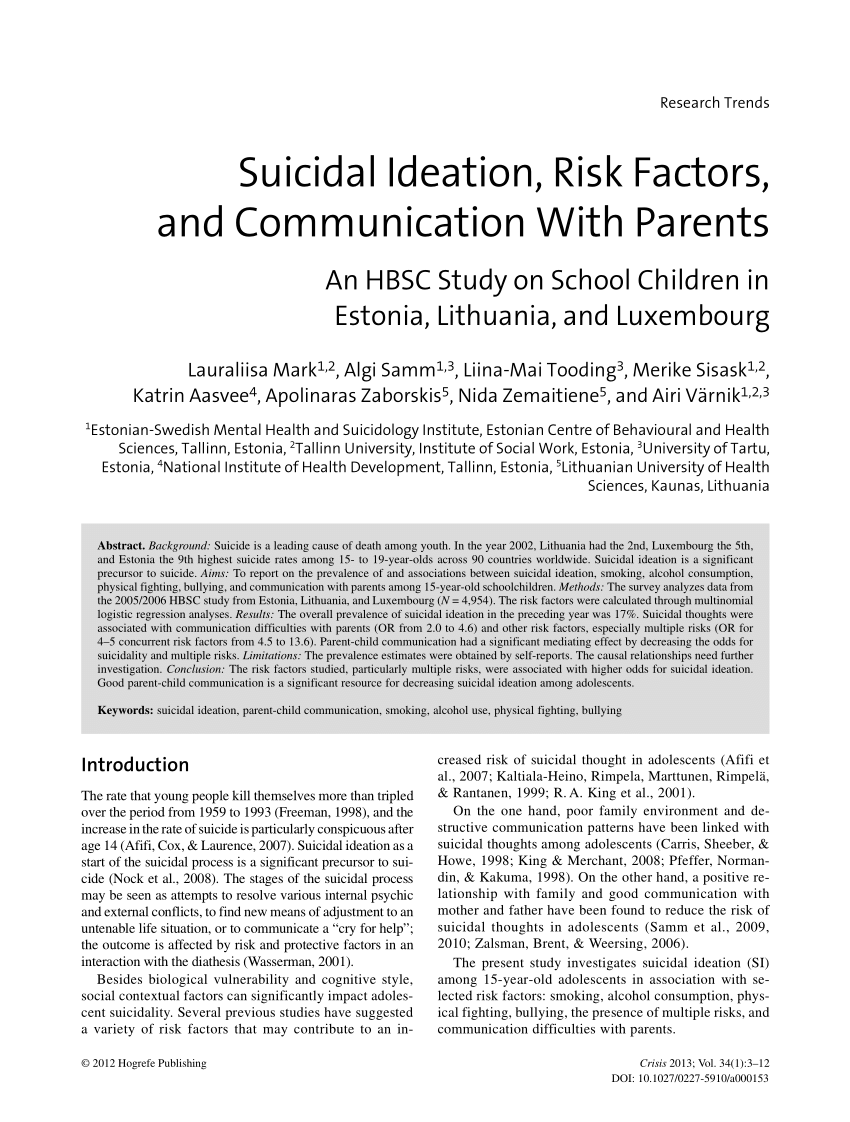
Autism Spectrum Disorder (ASD) is a neurodevelopmental condition characterized by a spectrum of challenges in social communication, sensory processing, and restricted or repetitive behaviors. Yet, beneath the surface of these well-documented traits lies a lesser-discussed but equally devastating reality: the heightened risk of suicidal ideation and self-harm among autistic individuals. Research suggests that autistic people are up to nine times more likely to experience suicidal thoughts compared to their neurotypical peers. This staggering statistic isn’t just a number—it’s a wake-up call, a demand for deeper understanding and urgent action.
The Invisible Weight: Why Autism and Suicidal Ideation Often Go Hand in Hand
Imagine living in a world where every interaction feels like deciphering an alien language, where the hum of fluorescent lights feels like a jackhammer to your skull, and where the simplest social cues—like knowing when to laugh or how to respond to a question—require Herculean effort. For autistic individuals, the world isn’t just challenging; it’s exhausting. This chronic state of hypervigilance and sensory overload can erode mental resilience over time, leaving little energy to cope with the additional burdens of rejection, bullying, or exclusion.
One of the most insidious risk factors is the phenomenon of camouflaging—a survival strategy where autistic individuals, particularly women and girls, suppress their natural behaviors to blend into neurotypical expectations. While camouflaging can offer temporary relief from social ostracization, it comes at a cost: a profound sense of inauthenticity, exhaustion, and, ultimately, a loss of self. Over time, this dissonance between one’s true self and the persona they present can fester into despair, making suicidal ideation feel like the only escape from an unbearable charade.
Another critical factor is the double empathy problem, a concept that flips the script on traditional narratives about social difficulties in autism. Rather than autistic individuals struggling to understand neurotypical social norms, the problem often lies in the mutual misunderstanding between autistic and non-autistic people. Neurotypical individuals may misinterpret autistic behaviors as indifference, rudeness, or even hostility, leading to social rejection or exclusion. This persistent lack of connection can amplify feelings of isolation, turning the world into a place where autistic individuals feel perpetually misunderstood—and, in turn, more vulnerable to suicidal thoughts.
The Role of Mental Health Comorbidities: When Autism Meets Depression and Anxiety
Autism rarely travels alone. It often brings along a entourage of co-occurring mental health conditions, including depression, anxiety, and ADHD, each of which can act as a catalyst for suicidal ideation. Depression, in particular, is a formidable foe, casting a shadow over even the brightest moments and making it difficult to envision a future worth living. For autistic individuals, the symptoms of depression—such as anhedonia (the inability to feel pleasure) or psychomotor retardation (slowed physical and mental processes)—can be exacerbated by the very traits of autism, creating a vicious cycle of suffering.
Anxiety, too, plays a starring role in this narrative. The relentless worry about social interactions, sensory triggers, or future uncertainties can feel like a never-ending storm, leaving little room for hope. When these conditions intersect with autism, the result isn’t just a sum of its parts—it’s a perfect storm of emotional turmoil that can feel impossible to weather. Recognizing and treating these comorbidities isn’t just important; it’s a lifeline.
Sensory Overload and Emotional Dysregulation: The Unseen Triggers
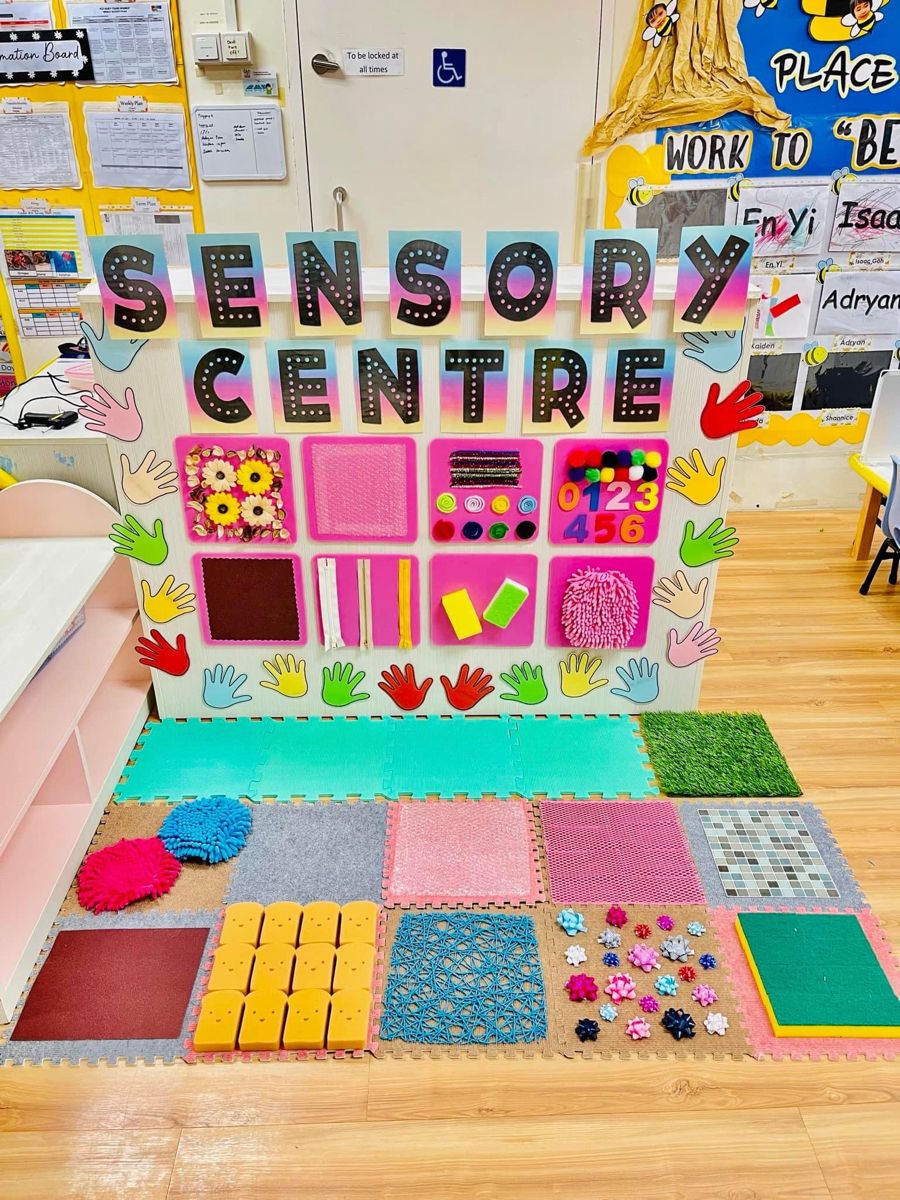
Picture this: You’re in a crowded café, the chatter of voices blending into a cacophony, the scent of coffee and pastries overwhelming your senses, and the flickering lights sending sharp, stabbing pains through your skull. For many autistic individuals, this isn’t a fleeting discomfort—it’s a daily reality. Sensory overload isn’t just an inconvenience; it’s a physical and emotional assault that can trigger meltdowns, shutdowns, or, in extreme cases, suicidal ideation as a desperate attempt to escape the unbearable.
Emotional dysregulation, another hallmark of autism, further complicates this landscape. Autistic individuals may experience emotions with an intensity that feels all-consuming, making it difficult to regulate their responses to stress or frustration. When these emotions spiral out of control, the resulting distress can feel like a tidal wave, leaving little room for rational thought or coping strategies. In such moments, the idea of ending the pain—even temporarily—can become a seductive, albeit dangerous, thought.
The Stigma Paradox: Why Seeking Help Feels Like an Uphill Battle
Here’s a cruel irony: The very systems designed to help—therapy, support groups, healthcare—often fail autistic individuals due to a lack of understanding or accessibility. Many autistic people report feeling dismissed by mental health professionals who attribute their struggles to “just being autistic,” rather than recognizing the depth of their emotional pain. This stigma isn’t just frustrating; it’s dangerous, as it delays or denies access to the care that could save lives.
Moreover, the language used to discuss autism and mental health often reinforces harmful stereotypes. Terms like “high-functioning” or “low-functioning” not only oversimplify the autistic experience but also contribute to the erasure of individual needs and capabilities. When autistic individuals are reduced to labels, their struggles—including suicidal ideation—are often minimized or ignored. Breaking down these barriers requires a shift in how we talk about autism, one that centers on individual experiences rather than reductive classifications.
Breaking the Silence: Support Strategies That Actually Work
So, how do we bridge this chasm between suffering and support? The answer lies in a multi-faceted approach that prioritizes accessibility, empathy, and tailored interventions. For starters, mental health professionals must undergo specialized training in autism to recognize the unique ways suicidal ideation may manifest in autistic individuals. Traditional therapy models, which rely heavily on verbal communication and abstract thinking, often fall short for those who process the world differently. Alternative therapies, such as art therapy, music therapy, or even animal-assisted therapy, can provide a non-verbal outlet for expression and healing.
Peer support groups, particularly those led by autistic individuals, can also be a game-changer. These spaces offer a rare sense of belonging, where participants can share their experiences without fear of judgment or misunderstanding. For many, the simple act of being seen and heard can be a powerful antidote to the isolation that fuels suicidal thoughts.
At the societal level, we must challenge the narratives that paint autism as a tragedy or a burden. Autistic individuals aren’t broken—they’re different, and their differences deserve respect, not pity. This means advocating for inclusive environments, whether in schools, workplaces, or public spaces, where sensory needs are accommodated and social expectations are flexible. It also means listening to autistic voices, amplifying their stories, and ensuring they have a seat at the table when decisions about their care are made.
The Road Ahead: A Call to Collective Action
The intersection of autism and suicidal ideation isn’t just a medical issue—it’s a societal one. It’s a reflection of our collective failure to create a world that embraces neurodiversity, where differences are celebrated rather than pathologized. Addressing this crisis requires more than awareness; it demands systemic change, from policy reforms to cultural shifts in how we perceive and support autistic individuals.
For those who are struggling, know this: Your pain is valid, your feelings are real, and your life has inherent value. You are not a burden. You are not alone. The world may not always understand you, but that doesn’t mean you don’t belong in it. There are people who care, who want to help, and who see you—not as a diagnosis, but as a person deserving of love and support.
If you or someone you know is grappling with suicidal thoughts, reach out. Talk to a trusted friend, a therapist, or a helpline. You don’t have to carry this weight alone. The first step toward healing isn’t always easy, but it’s worth taking. Because every life, including yours, has the potential to rewrite its own story—one where hope isn’t just a fleeting thought, but a steadfast companion.