

Autism spectrum disorder (ASD) in adults often remains undiagnosed or misunderstood due to subtle presentations and the complex overlay of life experiences. Identifying the salient signs early can be transformative, unlocking pathways to tailored support and improved quality of life. This article delineates the ten quintessential signs of autism in adults, alongside pragmatic guidance on the subsequent steps one can take when these signs resonate personally or in someone you care about. The intent is to provide a comprehensive perspective that empowers readers to navigate this landscape with confidence and clarity.
1. Difficulties with Social Communication
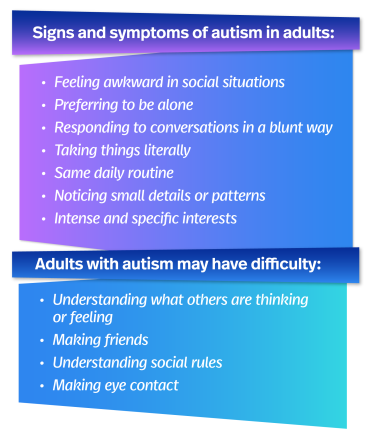
One of the hallmark features of autism is a distinctive style of communication. Adults on the spectrum may have trouble interpreting social cues such as tone of voice, facial expressions, and body language. Conversations may feel one-sided or awkward, with a tendency to either dominate the dialogue or withdraw altogether. The intricacies of small talk and nuanced social reciprocity often pose considerable challenges, leading to feelings of isolation or frustration.

2. Repetitive Behaviors and Rituals
Repetitive actions or adherence to strict routines are common in autistic individuals. This may manifest as engaging in certain gestures repeatedly, fascination with specific objects, or rigid adherence to daily schedules. Such behaviors provide comfort and predictability, acting as a buffer against the anxiety that unpredictability often provokes. Changes to these routines can cause significant distress.
3. Sensory Sensitivities
Adults with autism frequently experience heightened or diminished responses to sensory stimuli. Everyday sounds might be unbearably loud, certain textures intolerable, or bright lights overwhelming. Conversely, some may show a dampened sensitivity, seeking intense sensory input through activities like rocking or hand-flapping. Sensory sensitivities significantly influence comfort levels and behavior, often behind what others perceive as unusual responses.
4. Intense Focus on Specific Interests
A pronounced preoccupation with niche topics often characterizes autistic adults. These interests may not align with social norms but offer a deep well of knowledge and comfort. While this intense focus can foster expertise and passion, it may also hinder social interactions if conversations become fixated on these subjects. Recognizing this trait helps in appreciating the strengths and uniqueness of autistic individuals.
5. Challenges with Executive Functioning
Executive functioning — the brain’s ability to plan, organize, and prioritize — frequently poses difficulties. Autistic adults may struggle with time management, multitasking, and initiating or completing tasks. These challenges can affect employment and daily living skills but also underscore the importance of structured environments and external supports.
6. Difficulty Understanding Emotional Nuances
Interpreting one’s own emotions and those of others can be perplexing for some autistic adults. This might result in misunderstandings during social interactions and difficulty in developing close relationships. Emotional regulation can also be erratic, with episodes of heightened stress or withdrawal. Awareness and strategies such as therapy or mindfulness can enhance emotional insight and coping.

7. Preference for Solitude or Limited Social Circles
A marked preference for solitude or restricted social engagement is often evident. Autistic adults may feel overwhelmed by excessive social demands or sensory stimuli commonly encountered in social settings. This does not necessarily indicate disinterest but rather a need for controlled and authentic interaction on their terms.
8. Literal Interpretation of Language
Figurative speech, idioms, sarcasm, and humor can be challenging for autistic adults who often interpret language literally. This can generate confusion or miscommunication in everyday exchanges, necessitating clear and explicit communication. Recognizing this need fosters more effective and empathetic connections.
9. Variability in Verbal Abilities
Verbal expression ranges widely among autistic adults. While some articulate thoughts fluently, others may find verbal communication taxing, resorting to alternative modes such as writing or digital communication. Understanding this spectrum broadens appreciation of diverse communicative styles.
10. Heightened Anxiety and Sensitivity to Change
Anxiety disorders are prevalent among autistic adults, often exacerbated by sensory overload and unpredictability. Adaptation to change can be particularly strenuous, provoking distress or behavioral outbursts. Recognizing these factors is crucial in creating supportive environments that mitigate anxiety.
What to Do If You Recognize These Signs
Discovering that these indicators resonate with you or someone close can be both affirming and overwhelming. The first step involves seeking a professional evaluation from clinicians specializing in adult autism assessment. A comprehensive diagnosis opens the door to bespoke interventions, including cognitive behavioral therapy, occupational therapy, and social skills training.
Building a support network is integral. Engage trusted friends, family, or support groups who can provide encouragement and understanding. Additionally, cultivating self-advocacy skills empowers individuals to articulate needs and preferences effectively in various contexts.
Importantly, embracing neurodiversity promotes a paradigm shift from seeing autism solely as a deficit toward appreciating it as a distinct neurological configuration with intrinsic strengths. Tailoring environments and interactions to accommodate sensory needs, communication styles, and preferences can significantly enhance well-being.
Autism in adulthood is multifaceted, often masked by coping mechanisms developed over years. By illuminating these often-overlooked signs and outlining paths forward, adults facing these challenges can find clarity, connection, and growth. Recognize that understanding autism is an evolving journey—one marked by patience, empathy, and the celebration of diversity in human neurobiology.












