Have you ever wondered why some children flinch at the mere whisper of a balloon popping, while others seem utterly unfazed by the cacophony of a bustling playground? What if I told you that the line between autism and sensory processing disorder isn’t always as clear as a chalk-drawn boundary on a sidewalk? These two conditions often tiptoe around each other, blurring distinctions in ways that leave parents, educators, and even clinicians scratching their heads. Could it be that sensory quirks are merely a side dish to autism, or do they sometimes masquerade as the main course? Let’s unravel this enigma together, peeling back the layers of overlap to reveal a landscape where confusion meets clarity—and where understanding begins.

The Sensory Tango: Where Autism and SPD Waltz in Unison
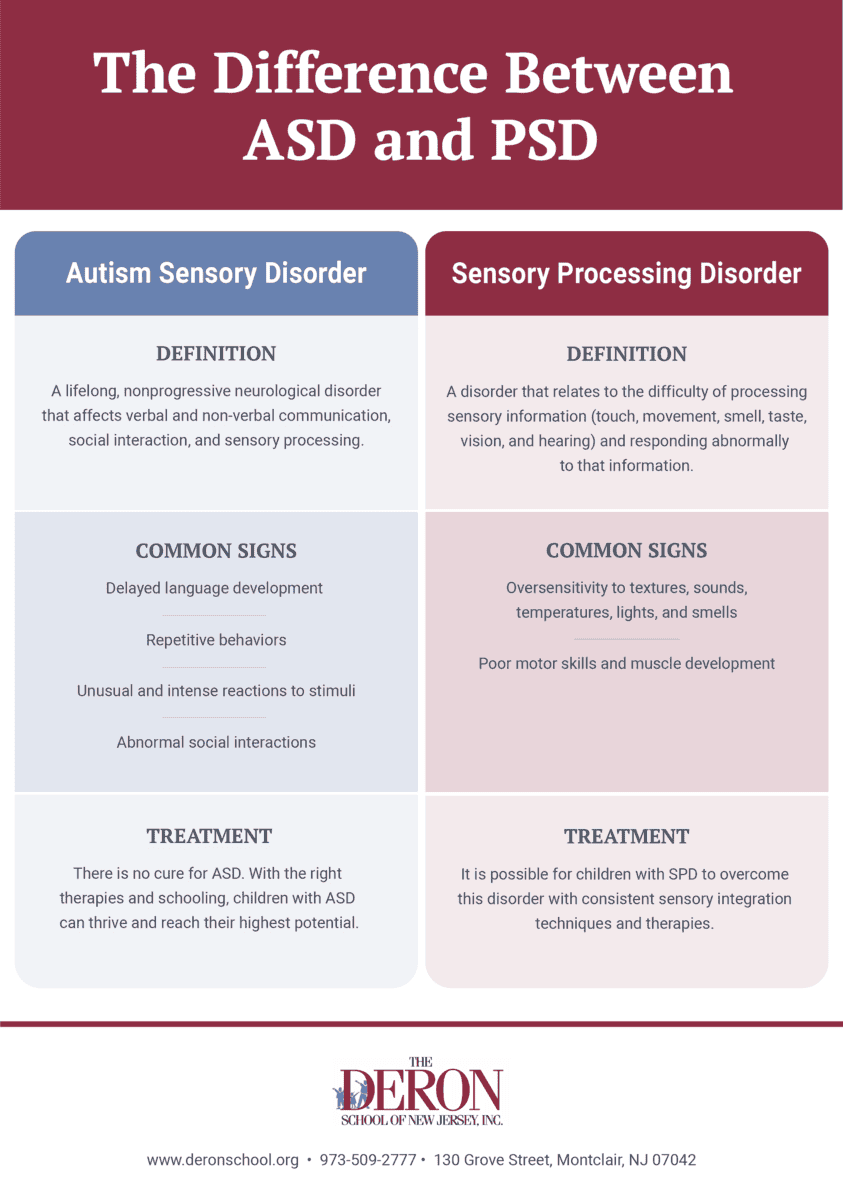
At first glance, autism spectrum disorder (ASD) and sensory processing disorder (SPD) appear to be as different as chalk and cheese. Autism is a neurodevelopmental condition characterized by challenges in social communication, restricted interests, and repetitive behaviors. Sensory processing disorder, on the other hand, is a neurological condition where the brain struggles to organize and respond to sensory input from the environment. Yet, here’s the twist: up to 90% of autistic individuals also experience sensory processing difficulties. This staggering overlap suggests that sensory quirks aren’t just a footnote in the autism narrative—they’re often a full-blown chapter.
Imagine a child with autism who becomes visibly distressed when their socks feel “too scratchy.” Is this a sensory processing issue, or is it a manifestation of autism’s heightened sensitivity to sensory stimuli? The answer isn’t black and white. Both conditions can cause an overreaction to textures, sounds, or lights, but the underlying mechanisms might differ. In autism, sensory sensitivities are often tied to the brain’s unique wiring, while in SPD, they stem from difficulties in processing sensory information efficiently. Yet, the end result—a meltdown in the cereal aisle—can look eerily similar.
The Great Mimic: When SPD Wears an Autism Mask
Here’s where things get particularly thorny. Sensory processing disorder can sometimes wear the mask of autism so convincingly that even seasoned professionals might misdiagnose the condition. Consider a child who avoids eye contact, struggles with social cues, and has intense meltdowns in noisy environments. On the surface, these behaviors scream “autism.” But what if the root cause is SPD? The child might avoid eye contact not because they’re disinterested in social interaction, but because the act of making eye contact feels physically uncomfortable or overwhelming. Similarly, a meltdown in a crowded room could stem from an inability to filter out background noise, not an aversion to social engagement.
This mimicry isn’t just a theoretical concern—it’s a real-world challenge that can delay accurate diagnosis and intervention. Parents might pursue therapies tailored for autism, only to find that their child’s progress plateaus because the underlying issue is sensory-based. The key lies in recognizing that while autism and SPD can coexist, their treatments aren’t always interchangeable. Occupational therapy, for instance, is a cornerstone for SPD but may need to be paired with behavioral strategies for autism. The overlap demands a nuanced approach, one that doesn’t assume a one-size-fits-all solution.
The Subtle Spectrum: Navigating the Gray Areas
Not all overlaps are created equal. Some children fall neatly into one category or the other, while others exist in a liminal space where the lines between autism and SPD blur into obscurity. Take, for example, a child who lines up toys with obsessive precision. Is this a sign of autism’s restricted interests, or is it a coping mechanism for sensory overload? The answer might lie in the child’s response to change. Autistic children often insist on sameness due to a need for predictability, while children with SPD might seek order to create a sense of control over their sensory world. The distinction is subtle but critical for tailoring support.
Another gray area emerges in the realm of social difficulties. Autistic individuals often struggle with understanding social nuances, but what if their social challenges stem from an inability to process facial expressions or tone of voice due to sensory overload? In this scenario, the social difficulties are a secondary effect of a primary sensory issue. Recognizing this distinction can shift the focus from behavioral interventions to sensory-based strategies, such as reducing environmental distractions or providing tools like noise-canceling headphones.
The Sensory Diet: A Recipe for Overlap Management
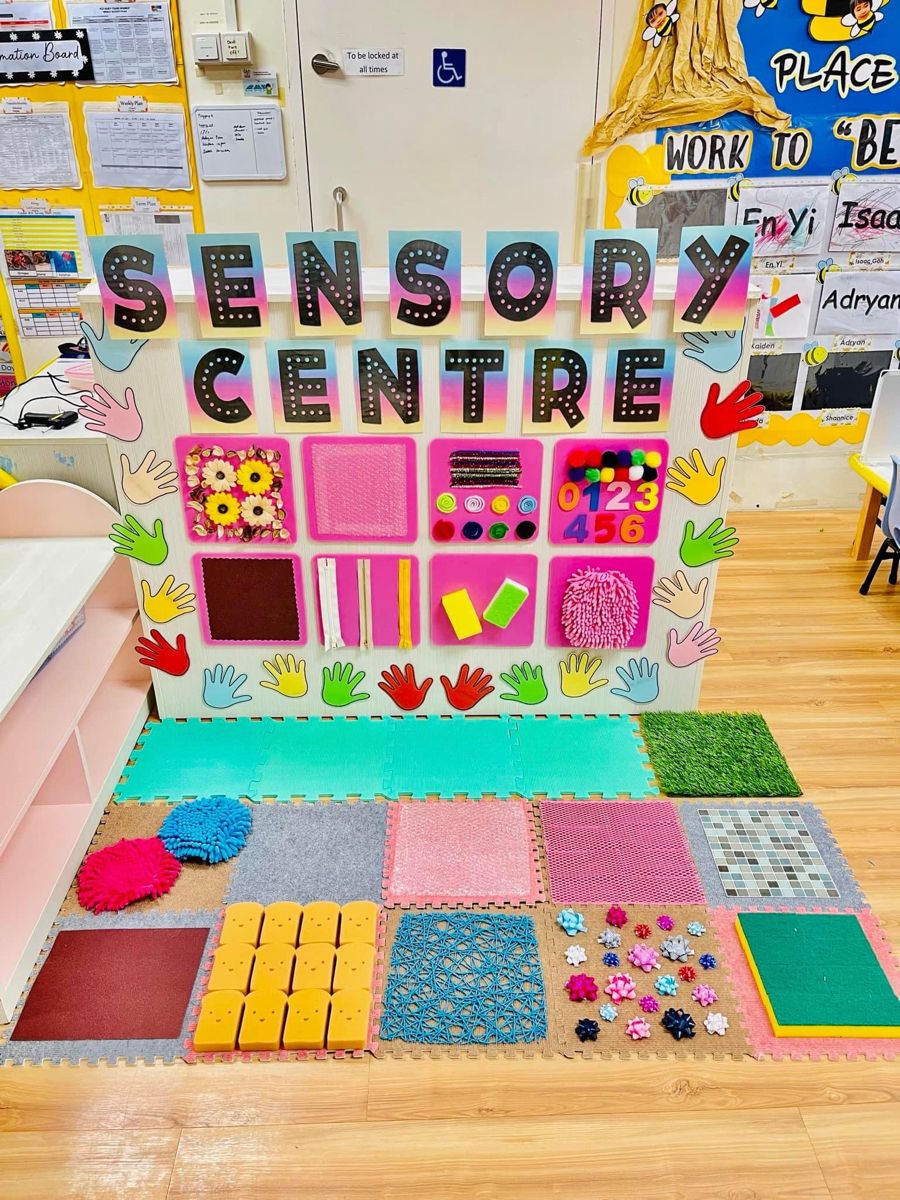
When autism and SPD collide, a “sensory diet” can be a game-changer. This isn’t about food—it’s about a personalized plan of sensory activities designed to help the brain process input more effectively. For a child who is hypersensitive to sound, a sensory diet might include regular breaks in a quiet space or the use of white noise machines. For a child who seeks sensory input, it might involve activities like swinging, jumping, or using fidget tools. The beauty of a sensory diet is its adaptability; it can be tailored to address the unique needs of a child with autism, SPD, or both.
But here’s the catch: crafting an effective sensory diet requires a deep understanding of the child’s sensory profile. What works for one child might overwhelm another. For instance, a child with autism might benefit from deep pressure input, while a child with SPD might find it aversive. The overlap demands careful observation and experimentation to find the right balance. It’s a process of trial and error, but one that can yield profound results in reducing meltdowns, improving focus, and enhancing overall well-being.
The Diagnostic Dilemma: Why Labels Matter (and When They Don’t)
Labels can be a double-edged sword. On one hand, a diagnosis of autism or SPD can unlock access to therapies, accommodations, and support systems. On the other hand, labels can pigeonhole a child, leading to assumptions about their abilities and needs. When autism and SPD overlap, the diagnostic process becomes even more complex. Clinicians must tease apart which behaviors are rooted in sensory processing difficulties and which are intrinsic to autism. This isn’t just an academic exercise—it’s a practical one that shapes the trajectory of a child’s development.
Consider the case of a child who struggles with transitions. Is this a sign of autism’s rigidity, or is it a result of SPD’s difficulty adapting to changes in routine? The answer might influence whether the child benefits more from social stories (a common autism intervention) or sensory-based strategies like gradual exposure to transitions. The diagnostic dilemma underscores the importance of a multidisciplinary approach, where occupational therapists, psychologists, and educators collaborate to paint a holistic picture of the child’s needs.
Beyond the Overlap: Embracing the Uniqueness of Each Child
While understanding the overlap between autism and SPD is crucial, it’s equally important not to lose sight of the child behind the labels. Every child is a mosaic of strengths, challenges, and quirks that defy neat categorization. A child with autism might have a prodigious memory for facts but struggle to express their thoughts. A child with SPD might excel in creative pursuits but find it difficult to sit still in a classroom. The overlap between the two conditions doesn’t diminish their individuality—it simply adds another layer to their story.
Parents and caregivers play a pivotal role in this narrative. By observing their child’s behaviors through a sensory lens, they can advocate for interventions that address the root cause of their challenges. Whether it’s advocating for a sensory-friendly classroom or incorporating calming sensory activities into daily routines, their efforts can make a world of difference. The goal isn’t to fit the child into a diagnostic box but to create an environment where they can thrive, regardless of where they fall on the spectrum—or the overlap.
As we’ve journeyed through the tangled web of autism and sensory processing disorder, one truth emerges: the overlap isn’t a flaw in the system—it’s a reflection of the brain’s incredible complexity. Autism and SPD aren’t adversaries; they’re dance partners, twirling in a sensory tango that shapes the experiences of countless children. By embracing this overlap, we open the door to more nuanced understanding, more targeted interventions, and, ultimately, more meaningful support. So the next time you encounter a child who seems to be caught in the middle of this sensory dance, remember: their story isn’t a puzzle to be solved, but a symphony to be understood.