In the labyrinth of human cognition and emotion, two distinct pathways often intersect, leading to confusion even among the most astute observers. Social anxiety and autism, though fundamentally different in their origins and manifestations, frequently blur in the public consciousness. This confluence is not merely a matter of semantics; it reflects a deeper, often unspoken fascination with the nuances of human behavior and the invisible threads that weave our social fabric. To untangle this complexity, we must venture beyond the surface, dissecting the intricacies of each condition while acknowledging the subtle interplay between them.
At first glance, the overlap is undeniable. Both social anxiety and autism can manifest as reluctance to engage in social interactions, avoidance of eye contact, or difficulty navigating group dynamics. Yet, beneath this superficial similarity lies a chasm of divergent experiences. Social anxiety is, at its core, a fear of judgment—a visceral dread of being perceived as inadequate, foolish, or unworthy. Autism, on the other hand, is not rooted in fear but in difference; it is a neurodevelopmental condition that shapes how an individual processes sensory input, interprets social cues, and constructs meaning from their environment. The distinction is not trivial; it is the difference between a storm of emotions and a landscape of unique perception.
The Anatomy of Social Anxiety: A Prison of the Mind
Social anxiety is not merely shyness writ large; it is a crippling hyperawareness of one’s own presence in the world. Imagine standing at the edge of a crowded room, your pulse quickening as every gaze feels like a spotlight, every whispered comment a verdict. This is the daily reality for those grappling with social anxiety disorder (SAD). The condition is characterized by an intense fear of being scrutinized, judged, or humiliated in social situations, leading to avoidance behaviors that can severely limit personal and professional growth.
The roots of social anxiety often trace back to early life experiences—perhaps a childhood marked by criticism, bullying, or an overbearing need to perform. Over time, the brain becomes wired to anticipate threat in social scenarios, triggering a cascade of physiological responses: sweating, trembling, a racing heart. These reactions are not voluntary; they are the body’s misguided attempt to protect itself from perceived danger. Yet, the danger is not external; it is internalized, a self-fulfilling prophecy of perceived inadequacy.
What distinguishes social anxiety from mere introversion is the degree of distress it causes. While introverts may find social interactions draining, they do not experience the same paralyzing fear. For those with SAD, the mere thought of attending a party or giving a presentation can evoke a sense of impending doom. This is not a choice; it is a neurological and psychological reality, one that demands empathy and understanding rather than judgment.
The Autistic Experience: A World of Sensory and Social Nuance
Autism, or autism spectrum disorder (ASD), is a neurodevelopmental condition that affects how individuals perceive the world and interact with others. Unlike social anxiety, which is driven by fear, autism is characterized by differences in social communication, sensory processing, and repetitive behaviors. The autistic experience is not one of fear but of difference—a way of being that is as valid as any other, though often misunderstood.
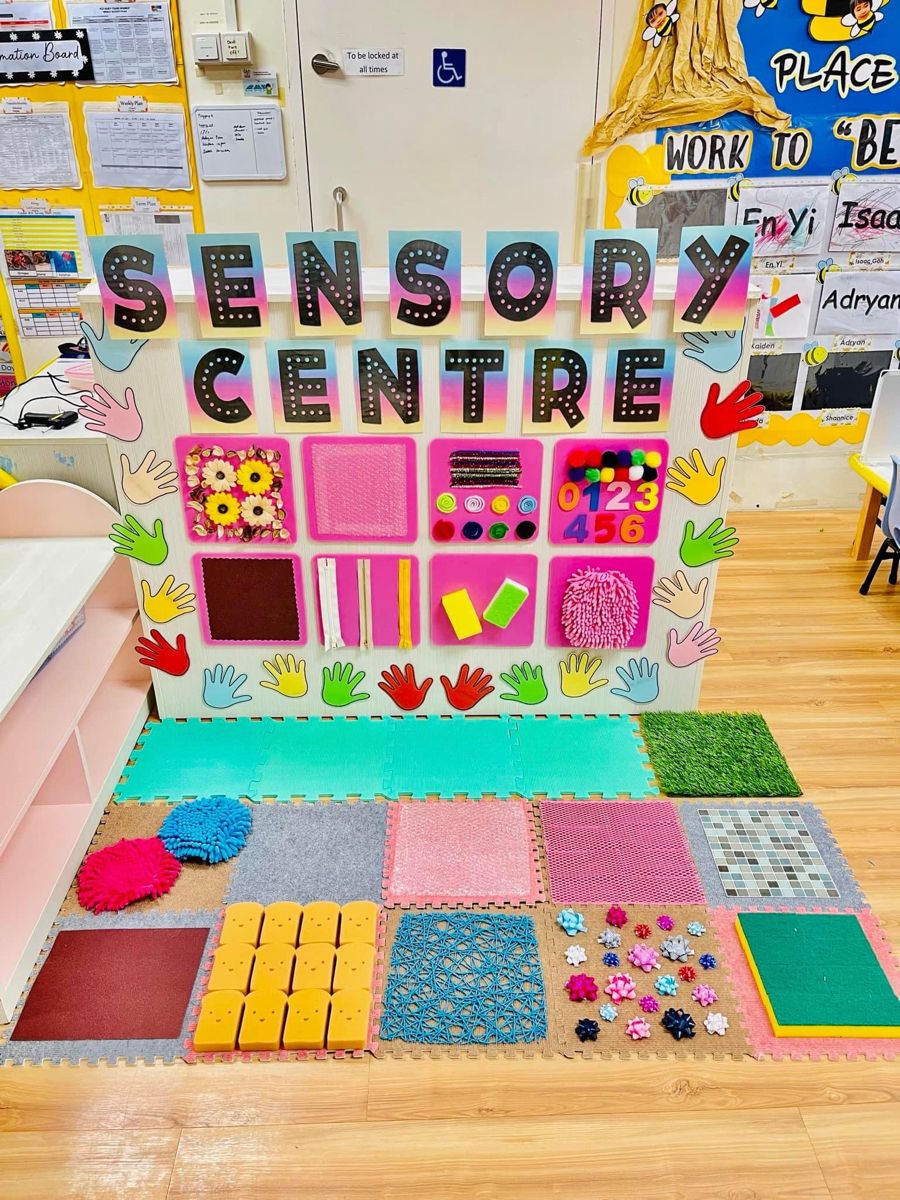
Consider the autistic individual navigating a bustling café. The cacophony of clinking cups, overlapping conversations, and the scent of coffee may be overwhelming, a sensory assault that non-autistic individuals might barely notice. This hypersensitivity to stimuli is a hallmark of autism, one that can lead to withdrawal not out of fear, but out of necessity. The autistic brain processes information in a unique way, often prioritizing patterns and details over social niceties. Eye contact, for instance, may feel physically uncomfortable, not because of shame or anxiety, but because it is a sensory experience that demands too much attention.
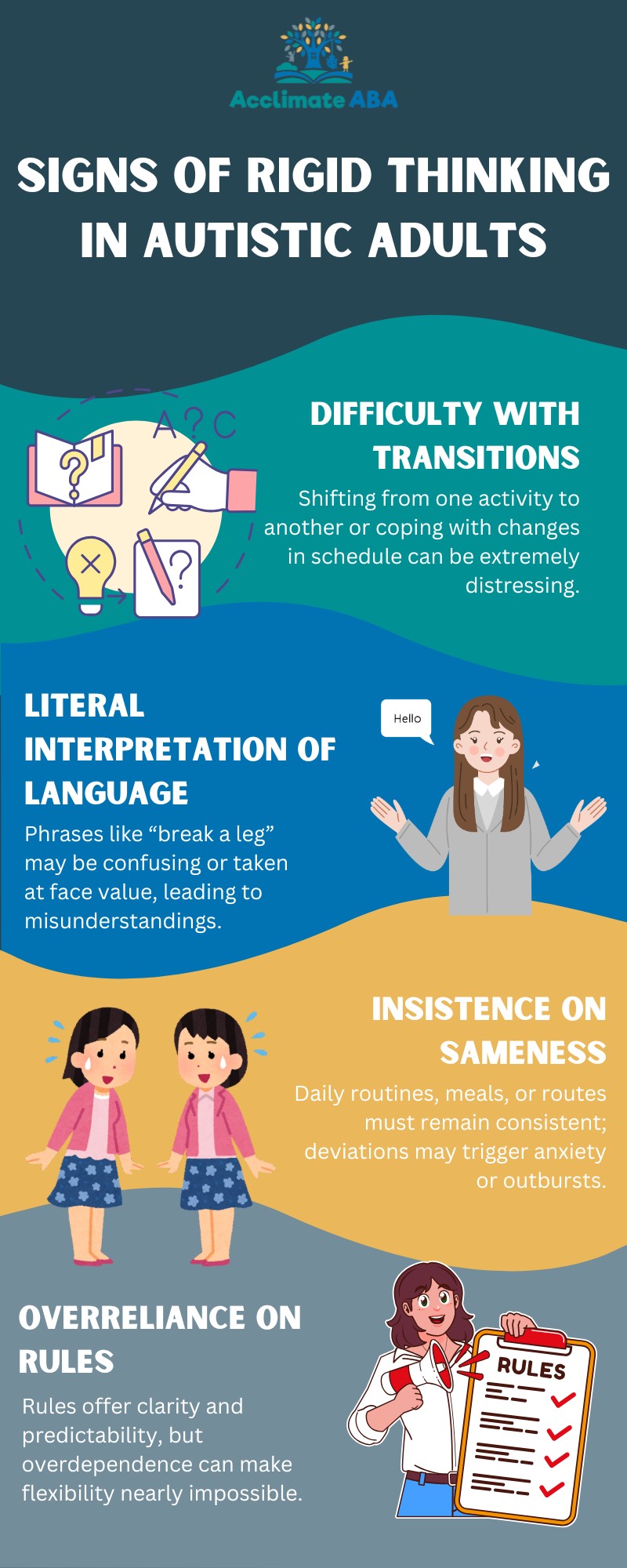
Social interactions, too, are approached differently. Autistic individuals may struggle to interpret sarcasm, facial expressions, or tone of voice, not because they lack empathy, but because these cues are not innately intuitive. This can lead to misunderstandings, where an autistic person’s direct communication style is mistaken for rudeness, or their need for routine is seen as rigidity. Yet, beneath these differences lies a rich inner world, one that values authenticity and honesty over social conformity.

The Overlap: Where Fear Meets Difference
The intersection of social anxiety and autism is where the lines between fear and difference blur. It is not uncommon for autistic individuals to develop secondary social anxiety, particularly in environments where their differences are met with misunderstanding or exclusion. Conversely, those with social anxiety may exhibit behaviors that resemble autism, such as avoiding eye contact or struggling with small talk, though their motivations are rooted in fear rather than neurological difference.
This overlap can make diagnosis and support particularly challenging. A person with autism may be misdiagnosed with social anxiety, or vice versa, leading to treatments that miss the mark. For instance, cognitive-behavioral therapy (CBT), a common treatment for social anxiety, may not address the sensory or communication challenges faced by autistic individuals. Conversely, social skills training, often recommended for autism, may exacerbate anxiety in someone with SAD if they feel pressured to perform in ways that feel unnatural.
The key to untangling this complexity lies in recognizing the underlying motivations. Is the avoidance of social situations driven by fear of judgment, or by a need to protect oneself from sensory or cognitive overload? The answer to this question can illuminate the path forward, whether it be therapy, accommodations, or simply a deeper understanding of one’s own needs.
Breaking the Stigma: Toward Empathy and Accommodation
The fascination with social anxiety and autism is not merely academic; it reflects a broader societal need to understand and accommodate neurodiversity. Too often, those who do not conform to social norms are labeled as “difficult” or “problematic,” when in reality, their experiences are simply different. Breaking the stigma begins with education—recognizing that social anxiety is not a choice, and autism is not a defect.
For those navigating these challenges, self-awareness is the first step toward empowerment. Journaling, therapy, or even conversations with trusted friends can help clarify one’s experiences and needs. For allies, the goal is not to “fix” the individual but to create environments where they can thrive. This might mean reducing sensory stimuli, allowing for direct communication, or simply offering patience and understanding.
The journey toward understanding social anxiety and autism is not a linear one. It is a process of unlearning assumptions, challenging biases, and embracing the richness of human diversity. In doing so, we not only support those who navigate these experiences but also enrich our collective understanding of what it means to be human.
Ultimately, the fascination with these conditions is a testament to our shared curiosity about the human condition. It is a reminder that beneath the surface of our differences lie universal threads—threads of fear, difference, and the relentless pursuit of connection. By embracing these threads, we weave a more compassionate and inclusive world.