Autism and immigration intersect in ways that create unique challenges for multilingual families navigating healthcare, education, and cultural integration. When a child is diagnosed with autism, the complexities multiply—language barriers, unfamiliar systems, and the emotional weight of advocacy collide with the pressures of starting anew in a foreign land. These families often find themselves caught between two worlds: one where their child’s needs must be met, and another where the tools to meet those needs are obscured by linguistic and bureaucratic hurdles. The journey is not just about finding the right services but also about dismantling the stigma that can accompany autism in communities where awareness is still growing. For immigrant parents, the fear of misdiagnosis, cultural misunderstandings, and the daunting task of accessing support can feel like an insurmountable labyrinth. Yet, within this struggle lies an opportunity—not just for resilience, but for innovation in how we approach autism support across cultures.
The Language Divide: When Words Fail to Bridge Understanding
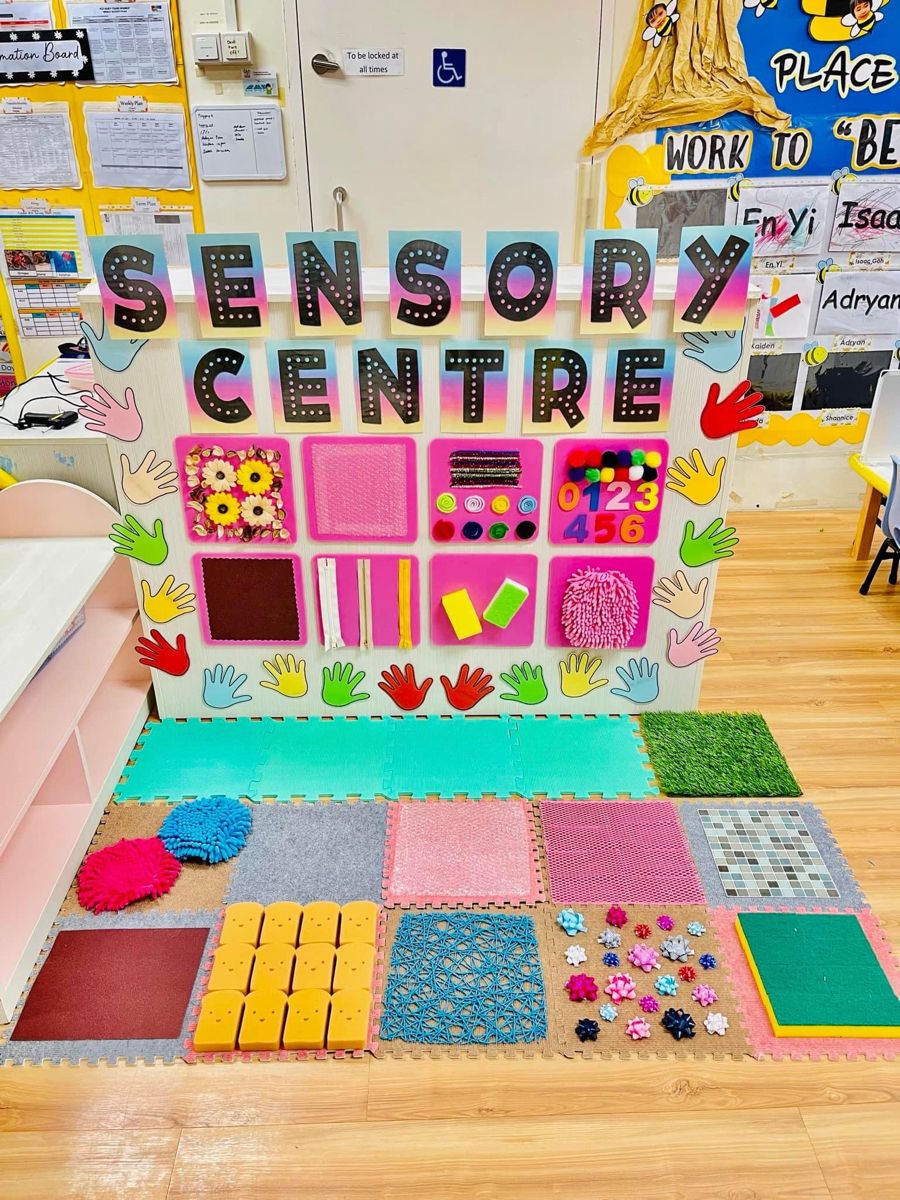
Language is more than a means of communication; it shapes how we perceive and respond to autism. For multilingual families, the first hurdle is often the terminology itself. Medical and educational jargon—terms like “sensory processing,” “early intervention,” or “individualized education program (IEP)”—can become barriers when translated poorly or misunderstood. A parent who speaks limited English may hear “autism” and associate it with outdated stereotypes, while a clinician might use clinical terms that carry no emotional resonance in the parent’s native language. This disconnect can delay diagnosis or lead to misinterpretations of a child’s behavior. For example, a child’s repetitive movements might be seen as defiance in one culture but as a sign of autism in another. The result? A delayed or incorrect response to the child’s needs.
Even when interpreters are available, their role is often reduced to literal translation rather than cultural mediation. A skilled interpreter doesn’t just convert words—they bridge the gap between medical frameworks and familial beliefs. Without this nuance, critical information about a child’s development can be lost in translation, leaving parents ill-equipped to advocate for their child. The solution lies in multilingual resources tailored to cultural contexts, where terms are not just translated but localized. Imagine a guide that explains autism through metaphors familiar to a particular community—perhaps comparing sensory overload to the discomfort of wearing a scratchy wool sweater, a sensation many can relate to. Such approaches make abstract concepts tangible, fostering understanding where words alone fall short.
The Stigma Paradox: Silence and the Weight of Cultural Expectations
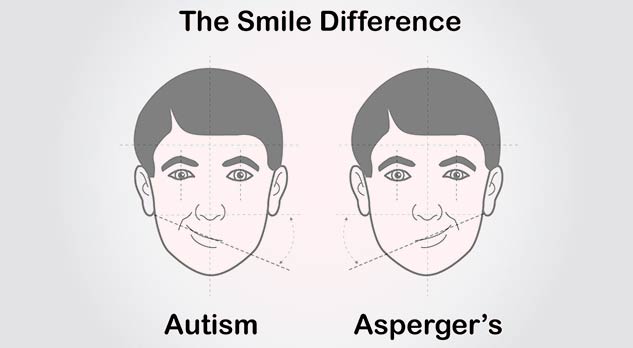
In many immigrant communities, autism is shrouded in silence—a taboo that stems from fear, shame, or a lack of education. Parents may hesitate to seek help because they worry about being judged, or they might believe their child’s behavior is a reflection of poor parenting. Cultural expectations around obedience, academic achievement, or gender roles can further complicate matters. A child who struggles with eye contact might be seen as disrespectful rather than autistic, while a girl who masks her symptoms to fit in could go undiagnosed for years. The stigma isn’t just an emotional burden; it’s a systemic one, embedded in institutions that fail to account for diverse perspectives.
Breaking this silence requires more than awareness campaigns—it demands community-led initiatives that resonate with cultural values. For instance, framing autism support as a collective responsibility rather than an individual burden can shift perceptions. In some cultures, extended families play a central role in child-rearing; leveraging this network to educate relatives about autism can normalize the conversation. Religious or community leaders can also become allies, using their influence to destigmatize the condition. The key is to present autism not as a deficit but as a difference that requires adaptation—one that enriches the family’s experience when met with the right support. When parents realize they are not alone in their struggles, the fear of judgment begins to dissipate.
Navigating Bureaucratic Maze: Systems That Were Not Designed for You
Immigration status, insurance gaps, and fragmented healthcare systems create a perfect storm for multilingual families seeking autism services. A parent might qualify for early intervention programs in their home country but find those services nonexistent or inaccessible in their new country. Even when programs exist, eligibility criteria—often tied to legal residency or income—can exclude those who need help the most. The paperwork alone can be overwhelming: forms in a language they don’t read, deadlines they miss because they’re unaware, and a maze of agencies with overlapping (or conflicting) guidelines. For families who are undocumented or on temporary visas, the risk of deportation looms over every interaction with authorities, making them hesitant to seek help.
The solution isn’t just about translating forms—it’s about redesigning systems to be inclusive by default. Some communities have turned to “navigators” or peer advocates—parents who have already navigated the system and can guide others through it. These advocates don’t just provide information; they offer emotional support, sharing their own stories to reassure families that they’re not alone. Technology can also play a role, with multilingual apps that simplify the process of finding services, scheduling appointments, and tracking a child’s progress. Imagine an app that not only lists nearby autism clinics but also explains how to advocate for an IEP in the local education system, complete with scripts for conversations with teachers. Such tools empower families to take control of their journey rather than feeling at the mercy of opaque systems.
Cultural Competency: When Clinicians and Educators Miss the Mark
Even when services are available, they may not be culturally competent. A therapist trained in Western behavioral approaches might struggle to connect with a child from a culture where direct eye contact is considered rude or where physical touch is discouraged. An educator might misinterpret a child’s reluctance to participate in group activities as laziness rather than a symptom of autism. These mismatches can lead to frustration for both the child and the family, reinforcing the idea that autism services are “not for us.” Cultural competency isn’t just about knowing a language—it’s about understanding the values, traditions, and social norms that shape a family’s worldview.
Training for clinicians and educators must go beyond surface-level diversity workshops. It should include immersive experiences—such as home visits or community events—where professionals can observe how families interact, communicate, and solve problems. Role-playing scenarios can help them practice responding to cultural cues they might encounter. For example, a clinician might learn that in some cultures, a parent’s hesitation to answer a question directly doesn’t mean they’re uncooperative—it could reflect a desire to avoid causing shame. By adapting their approaches to align with a family’s cultural context, professionals can build trust and deliver more effective support. The goal isn’t to erase differences but to meet families where they are, literally and figuratively.

The Power of Peer Networks: Finding Strength in Shared Experiences
For immigrant parents of autistic children, isolation is a silent epidemic. Language barriers, cultural differences, and the relentless demands of caregiving can make it hard to connect with others who understand their reality. Peer networks—whether formal support groups or informal gatherings—offer a lifeline. These networks provide more than just practical advice; they offer emotional validation. A parent might hear, “My child does that too,” and realize they’re not alone in their struggles. In some communities, these networks have evolved into advocacy groups that push for policy changes, such as mandating multilingual autism training for educators or expanding interpreter services in healthcare settings.
The most effective peer networks are those that reflect the diversity of the families they serve. A group for Spanish-speaking parents might include sub-groups for different dialects or regional customs, ensuring that conversations resonate on a deeper level. Online platforms can also bridge gaps, offering anonymity for those who fear judgment and accessibility for families with limited mobility. The key is to create spaces where parents feel safe to share their challenges without fear of stigma. When parents realize that their experiences are part of a larger narrative, they gain the confidence to advocate for their children—and themselves.
Building Bridges: A Call for Systemic Change
The challenges faced by multilingual families navigating autism are not insurmountable—but they require a collective effort. Governments, nonprofits, and communities must work together to dismantle the barriers that keep families from accessing the support they need. This means investing in multilingual early intervention programs, training culturally competent professionals, and creating peer networks that foster resilience. It also means challenging the narratives that perpetuate stigma, replacing them with stories of strength and adaptation. Autism doesn’t discriminate by language or nationality, but the systems designed to support autistic individuals often do. The goal isn’t just to make these systems accessible—it’s to make them equitable.
For immigrant families, the journey is as much about finding their voice as it is about finding services. When parents are empowered to advocate for their children, when clinicians are equipped to meet them where they are, and when communities rally around them, the barriers begin to crumble. Autism and immigration may seem like an unlikely pairing, but within this intersection lies an opportunity to redefine what support looks like—one that is inclusive, adaptive, and rooted in empathy. The path forward isn’t linear, but it’s paved with the stories of families who have turned their struggles into strength. Their resilience is a testament to the power of community, and it’s a reminder that no family should have to navigate this journey alone.