The latest autism research is not merely advancing our understanding—it is redefining the boundaries of human cognition, social interaction, and neurodiversity. As we move through 2026, groundbreaking studies are illuminating the intricate tapestry of the autistic brain, revealing patterns that challenge long-held assumptions. What was once dismissed as mere variation is now being recognized as a profound expression of human diversity, one that offers unique insights into perception, memory, and emotional processing. This evolution in perspective is not just academic; it is reshaping how society views autism, from education and employment to healthcare and social policy. The fascination with these discoveries lies not only in their scientific rigor but in their potential to unlock new ways of thinking about what it means to be human.
The Neurobiological Puzzle: Decoding the Autistic Brain
At the heart of recent breakthroughs is a deeper exploration of the autistic brain’s architecture. Advanced neuroimaging techniques, such as high-resolution fMRI and diffusion tensor imaging, are now capturing the dynamic interplay between neural networks with unprecedented clarity. Researchers have identified a phenomenon termed “hyperconnectivity” in certain regions of the autistic brain, where local neural circuits exhibit heightened synchronization. This paradoxically coexists with “hypoconnectivity” in long-range networks, particularly those governing social cognition and executive function. The result is a brain that processes information with remarkable precision but often struggles to integrate disparate sensory inputs into a cohesive whole.
These findings challenge the traditional deficit-based model of autism. Instead, they suggest that autistic individuals may experience the world in a more fragmented, detail-oriented manner—a trait that, while posing challenges in conventional social settings, also fosters exceptional abilities in pattern recognition, analytical reasoning, and creative problem-solving. The implications are profound: if autism is fundamentally a difference in neural wiring rather than a dysfunction, then societal adaptations—not behavioral interventions—may hold the key to unlocking its full potential.
Genetic and Epigenetic Revelations: The Invisible Threads
Genetics has long been a cornerstone of autism research, but 2026 has ushered in a new era of epigenetic exploration. Scientists are now mapping how environmental factors, from prenatal nutrition to maternal stress levels, interact with genetic predispositions to shape neurodevelopment. A landmark study published this year identified a cluster of epigenetic modifications in genes associated with synaptic pruning—a process critical to refining neural connections. In autistic individuals, this pruning appears to occur at a slower pace, leading to an overabundance of synapses and heightened sensory sensitivity.
Equally intriguing is the discovery of “gene-environmental resonance,” where specific genetic variants in autistic individuals seem to amplify their responsiveness to certain environmental stimuli. For instance, individuals with mutations in the *SHANK3* gene, a known autism risk factor, exhibit heightened sensitivity to social cues when exposed to enriched, sensory-rich environments. This suggests that autism may not be a static condition but a dynamic interplay between biology and experience—a revelation that could redefine early intervention strategies.
Sensory Perception: The World Through an Autistic Lens
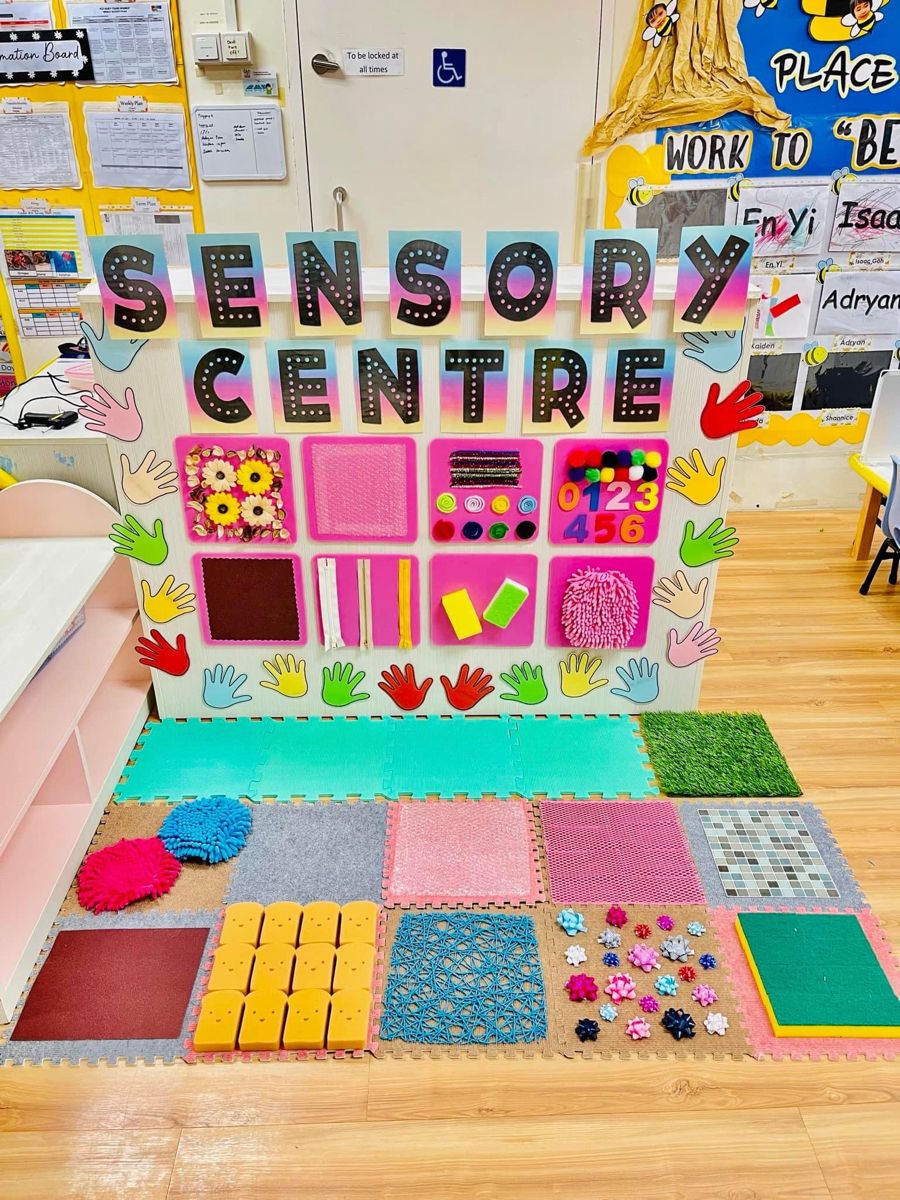
One of the most compelling aspects of recent research is the reimagining of sensory perception in autism. Far from being a peripheral issue, sensory differences are now understood to be central to the autistic experience. Studies using immersive virtual reality environments have demonstrated that autistic individuals often process sensory input in a more granular, less filtered manner. A symphony of sounds, for example, may be perceived as a cacophony of distinct frequencies rather than a harmonious whole. Similarly, visual stimuli that most people filter out—such as flickering lights or background textures—can overwhelm an autistic individual’s cognitive resources.
This heightened sensory acuity is not merely a challenge; it is a gateway to extraordinary perceptual abilities. Many autistic individuals exhibit superior performance in tasks requiring attention to detail, such as identifying patterns in complex data sets or detecting subtle changes in visual or auditory environments. The implications for fields like data science, art, and engineering are immense. Companies are beginning to recognize the value of neurodiversity in innovation, with some even designing sensory-friendly workspaces to harness these unique strengths.

The Social Enigma: Rethinking Connection and Communication
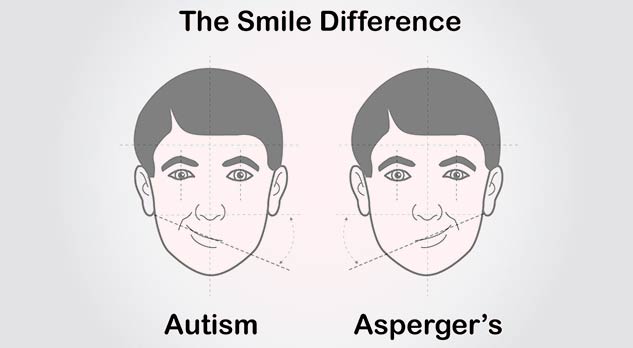
Social interaction has long been a focal point of autism research, but the narrative is shifting. Rather than viewing autistic social behavior as inherently deficient, researchers are exploring it as a distinct cognitive style. Eye-tracking studies reveal that autistic individuals often focus on different facial features than neurotypical individuals—prioritizing the mouth or peripheral regions over the eyes. This divergence is not a sign of disinterest but a reflection of alternative strategies for gathering social information.
A 2026 study introduced the concept of “social echolocation,” where autistic individuals use subtle environmental cues—such as tone of voice, body posture, or even changes in air pressure—to infer emotional states. This method, while less intuitive for neurotypical observers, can be remarkably accurate in predicting social outcomes. The research suggests that autistic social cognition may be more attuned to context and less reliant on conventional norms, offering a fresh perspective on what constitutes effective communication.
Therapeutic Frontiers: Beyond the Behavioral Paradigm
The therapeutic landscape for autism is undergoing a seismic shift. While behavioral interventions like Applied Behavior Analysis (ABA) remain widely used, 2026 has seen a surge in biologically informed treatments. One of the most promising avenues is the use of neuromodulation techniques, such as transcranial magnetic stimulation (TMS) and transcranial direct current stimulation (tDCS), to target specific neural circuits. Early trials have shown that these methods can enhance connectivity in underactive networks, improving social engagement and reducing sensory overload.
Another breakthrough lies in the development of personalized pharmacogenomic approaches. By analyzing an individual’s genetic and epigenetic profile, clinicians can tailor medications to address specific neurochemical imbalances. For example, some autistic individuals with elevated levels of excitatory neurotransmitters may benefit from targeted glutamate modulators, while others with disrupted dopamine pathways might respond to precision-engineered dopamine agonists. These advancements signal a move away from one-size-fits-all treatments toward a more nuanced, individualized approach.
The Societal Imperative: Building a Neuroinclusive Future
The true measure of progress in autism research lies not in the laboratory but in society’s ability to adapt. In 2026, a growing number of organizations are embracing neurodiversity as a competitive advantage. Tech companies, for instance, are designing software interfaces that accommodate diverse cognitive styles, from linear thinkers to global processors. Schools are adopting flexible curricula that allow autistic students to engage with material in ways that align with their strengths, whether through visual, auditory, or kinesthetic modalities.
Public policy is also evolving. Cities are implementing sensory-friendly urban design, incorporating quiet zones, reduced lighting, and noise-canceling infrastructure in public spaces. Employers are recognizing the value of autistic talent in roles that require meticulous attention to detail, such as cybersecurity, quality assurance, and data analysis. The message is clear: a neuroinclusive society is not just a moral imperative but an economic and creative one.
The journey to understand autism is far from over, but the path forward is illuminated by unprecedented insights. What began as a quest to “fix” a perceived deficit has transformed into an exploration of human diversity in its most profound form. The autistic brain, with its unique wiring and perceptual gifts, is not an anomaly—it is a testament to the boundless ways in which the human mind can perceive, process, and interact with the world. As research continues to peel back the layers of this enigma, one truth becomes increasingly clear: the future of autism is not about conformity, but about celebration—celebration of the differences that make us who we are.