The intersection of autism and stem cell research represents one of the most promising yet ethically fraught frontiers in modern medicine. As families grapple with the complexities of autism spectrum disorder (ASD), the scientific community continues to explore innovative therapies that could redefine treatment paradigms. Stem cell therapy, with its potential to regenerate neural tissue and modulate immune responses, has emerged as a beacon of hope—though not without significant controversy. This article delves into the current status of stem cell research in autism, dissects the ethical dilemmas it presents, and examines the diverse content formats that can help readers navigate this evolving landscape.
The Science Behind Stem Cell Therapy for Autism
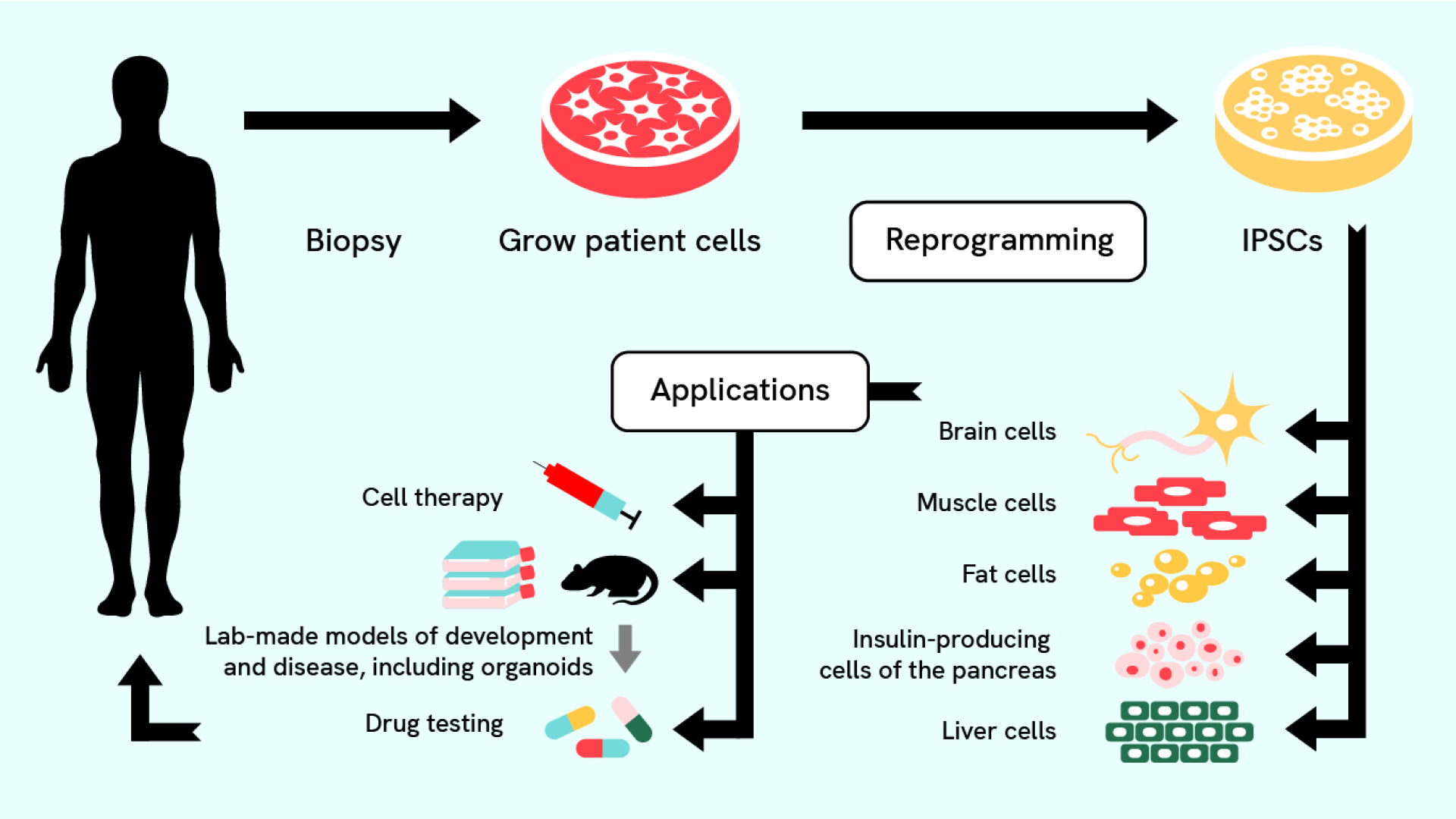
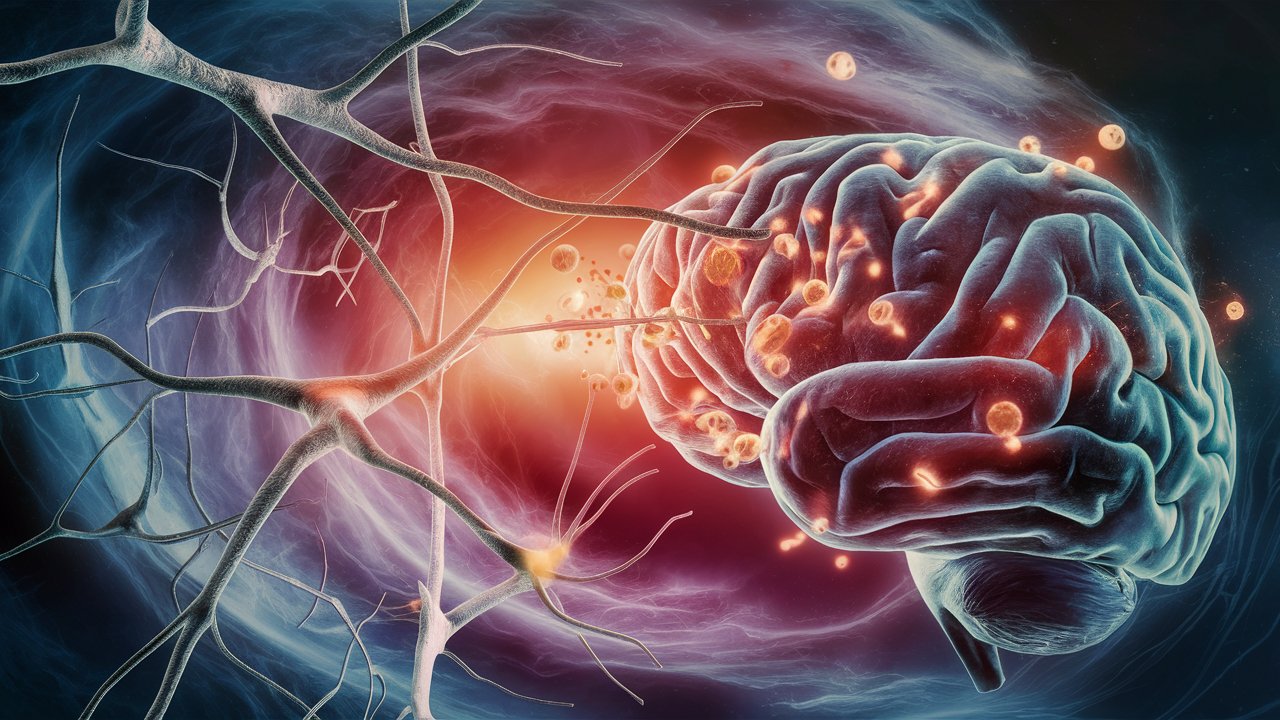
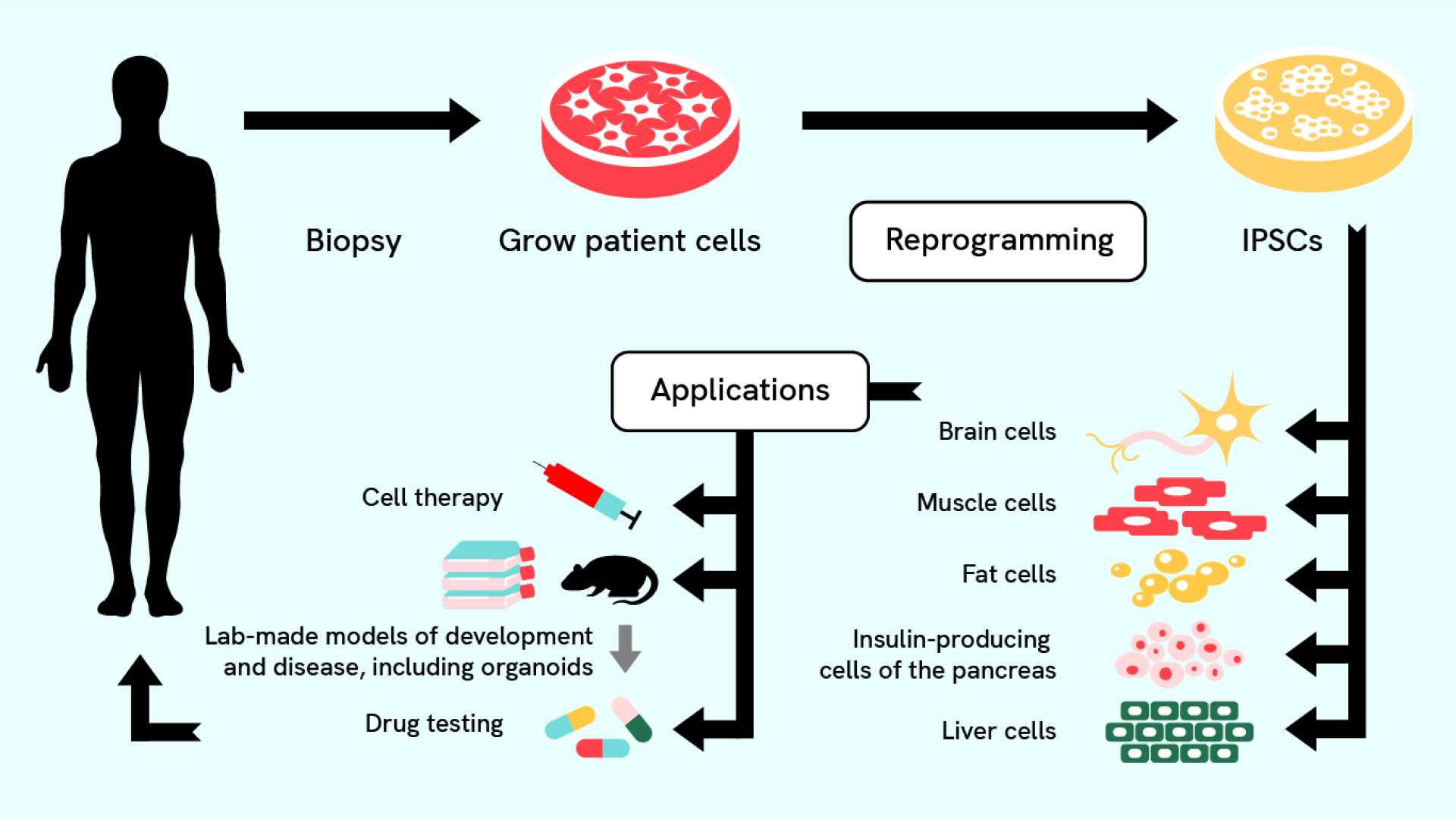
Stem cell therapy operates on the principle of cellular regeneration and immunomodulation, two mechanisms that could theoretically address core symptoms of autism. The most commonly explored stem cell types include mesenchymal stem cells (MSCs), induced pluripotent stem cells (iPSCs), and umbilical cord blood-derived stem cells. MSCs, derived from bone marrow or adipose tissue, are prized for their ability to secrete neurotrophic factors and reduce neuroinflammation—a hallmark of ASD pathology. iPSCs, reprogrammed from adult cells, offer the tantalizing possibility of personalized therapies, though their tumorigenic risks remain a concern.
Clinical trials, though still in early phases, have yielded mixed but encouraging results. A 2023 study published in Stem Cells Translational Medicine reported improvements in social communication and reduced repetitive behaviors in children with ASD following MSC infusions. However, the placebo effect and the lack of standardized protocols complicate interpretation. Researchers are also investigating the role of exosomes—extracellular vesicles secreted by stem cells—which may carry therapeutic cargo without the risks associated with whole-cell transplantation.
Ethical Considerations: Balancing Hope and Caution
The ethical terrain of stem cell research in autism is as treacherous as it is transformative. At the heart of the debate lies the principle of informed consent, particularly when parents, desperate for solutions, may overlook the experimental nature of treatments. Stem cell tourism—where clinics worldwide offer unproven therapies—exploits this vulnerability, often with exorbitant costs and dubious outcomes. The International Society for Stem Cell Research (ISSCR) has condemned such practices, emphasizing the need for rigorous clinical trials and regulatory oversight.
Another ethical quandary arises from the dual-use dilemma: stem cell technologies developed for autism could be repurposed for cognitive enhancement in neurotypical individuals, raising questions about equity and societal pressure. Additionally, the sourcing of stem cells—whether from embryos, adult tissues, or iPSCs—triggers debates about the moral status of the cells themselves. For instance, embryonic stem cells, while pluripotent, are mired in ethical controversies due to their derivation from destroyed embryos. Meanwhile, iPSCs, though ethically neutral, face challenges in achieving consistent differentiation and avoiding genetic abnormalities.
Types of Content to Deepen Understanding
To fully grasp the implications of stem cell research in autism, readers benefit from a multi-format approach that caters to different learning styles and levels of expertise. Below are the key content types that can illuminate this complex topic:
1. Explainer Articles and Guides
These serve as foundational resources, breaking down technical jargon into digestible insights. For example, a comprehensive guide on how stem cells work might include analogies like comparing MSCs to “cellular paramedics” that rush to sites of inflammation. Such articles often feature infographics depicting the differentiation pathways of stem cells or the mechanisms by which they might influence neural development in autism.
2. Expert Interviews and Q&A Sessions
Firsthand accounts from researchers, clinicians, and ethicists provide nuanced perspectives. A neuroscientist might discuss the neuroprotective properties of exosomes, while an ethicist could dissect the moral implications of stem cell tourism. These formats humanize the science, revealing the personal and professional stakes involved. Transcripts or video recordings of panel discussions at conferences like the ISSCR annual meeting are particularly valuable.
3. Patient and Caregiver Stories
Personal narratives offer emotional resonance and practical insights. A parent might recount their child’s journey through a stem cell trial, detailing improvements in speech or reductions in sensory overload. These stories often highlight the gap between clinical trials and real-world outcomes, underscoring the importance of tempered expectations. Caregiver blogs or support group forums can also serve as repositories of unfiltered experiences, from navigating insurance coverage to coping with treatment side effects.
4. Data Visualizations and Interactive Tools
Complex datasets become accessible through visual storytelling. An interactive timeline could map the evolution of stem cell research in autism, from early animal studies to current FDA-approved trials. Another tool might allow users to compare different stem cell types based on efficacy, safety, and ethical considerations. Heatmaps or scatter plots could illustrate trends in clinical trial results, revealing which patient demographics respond best to therapy.
5. Regulatory and Policy Analyses
Understanding the legal landscape is crucial for both patients and practitioners. Articles could dissect the FDA’s stance on stem cell therapies, contrasting its cautious approval process with the leniency of some international regulators. Policy briefs might explore the role of orphan drug designations in accelerating autism-related stem cell therapies or the ethical obligations of institutions conducting research on vulnerable populations.
Emerging Trends and Future Directions
The field of stem cell research in autism is rapidly evolving, with several trends poised to shape its trajectory. One such trend is the integration of machine learning to predict patient responses to stem cell therapy. By analyzing genetic, epigenetic, and clinical data, algorithms could identify biomarkers that correlate with treatment success, enabling precision medicine approaches. Another frontier is the development of bioengineered scaffolds that guide stem cell differentiation in vivo, mimicking the brain’s natural architecture to enhance therapeutic outcomes.
Gene-editing technologies like CRISPR are also being explored in tandem with stem cell therapy. For instance, iPSCs derived from individuals with ASD could be genetically modified to correct mutations associated with the disorder before reintroduction into the body. However, this approach raises ethical questions about germline editing and the long-term consequences of altering the human genome.
Navigating Misinformation and Critical Thinking
In an era of viral misinformation, readers must cultivate skepticism when evaluating claims about stem cell therapy for autism. Red flags include anecdotal success stories, lack of peer-reviewed data, and clinics that refuse to disclose trial protocols. Reputable sources, such as the ClinicalTrials.gov database or publications in journals like Nature Medicine, should be prioritized over promotional materials from for-profit clinics. Fact-checking tools and expert consultations can further mitigate the risk of falling prey to pseudoscience.
Conclusion: A Path Forward
Stem cell research holds immense promise for transforming the lives of individuals with autism, yet its potential is inextricably linked to ethical vigilance and scientific rigor. As the field advances, it is imperative that stakeholders—researchers, clinicians, policymakers, and families—collaborate to ensure that progress is both innovative and responsible. By engaging with diverse content formats, from expert analyses to patient stories, readers can cultivate a nuanced understanding of this dynamic landscape. The journey toward effective and ethical stem cell therapies is fraught with challenges, but with informed discourse and unwavering commitment, it may ultimately illuminate a path to healing.