The modern home is no longer just a physical shelter—it’s an ecosystem of intelligence, adaptability, and safety. For individuals on the autism spectrum, this transformation is not merely a convenience; it’s a lifeline. Autism and smart home technology intersect to create environments that are not only responsive but also respectful of sensory sensitivities, emotional needs, and cognitive rhythms. The result? A sanctuary where predictability meets personalization, and where the chaos of the outside world is gently filtered through layers of intelligent design. This article explores how smart home innovations are redefining safe spaces for autistic individuals, offering a blueprint for autonomy, comfort, and connection.

The Architecture of Autonomy: How Smart Homes Empower Choice
Autonomy is a cornerstone of well-being for autistic individuals. Traditional environments often impose rigid structures—fixed lighting, unpredictable noises, or unannounced interruptions—that can trigger distress. Smart home technology dismantles these barriers by placing control firmly in the hands of the user. Voice-activated assistants like Amazon Alexa or Google Home allow for hands-free adjustments to lighting, temperature, and soundscapes. Imagine a morning routine where a simple command—“Good morning, initiate calm mode”—triggers a sequence of dimmed lights, soft instrumental music, and a gradual increase in room temperature. This isn’t just convenience; it’s a ritual of predictability.
Beyond voice commands, smart home systems can integrate with wearable devices to monitor physiological cues. A smartwatch detecting elevated heart rate might automatically adjust the room’s ambiance—lowering brightness, muting notifications, or even releasing calming aromas via a diffuser. These systems learn and adapt, creating a dynamic yet stable environment. For autistic individuals who thrive on routine but struggle with spontaneity, such technology bridges the gap between rigidity and flexibility, offering a middle ground where control feels both empowering and soothing.
Sensory Sanctuaries: Designing for Overload and Underload
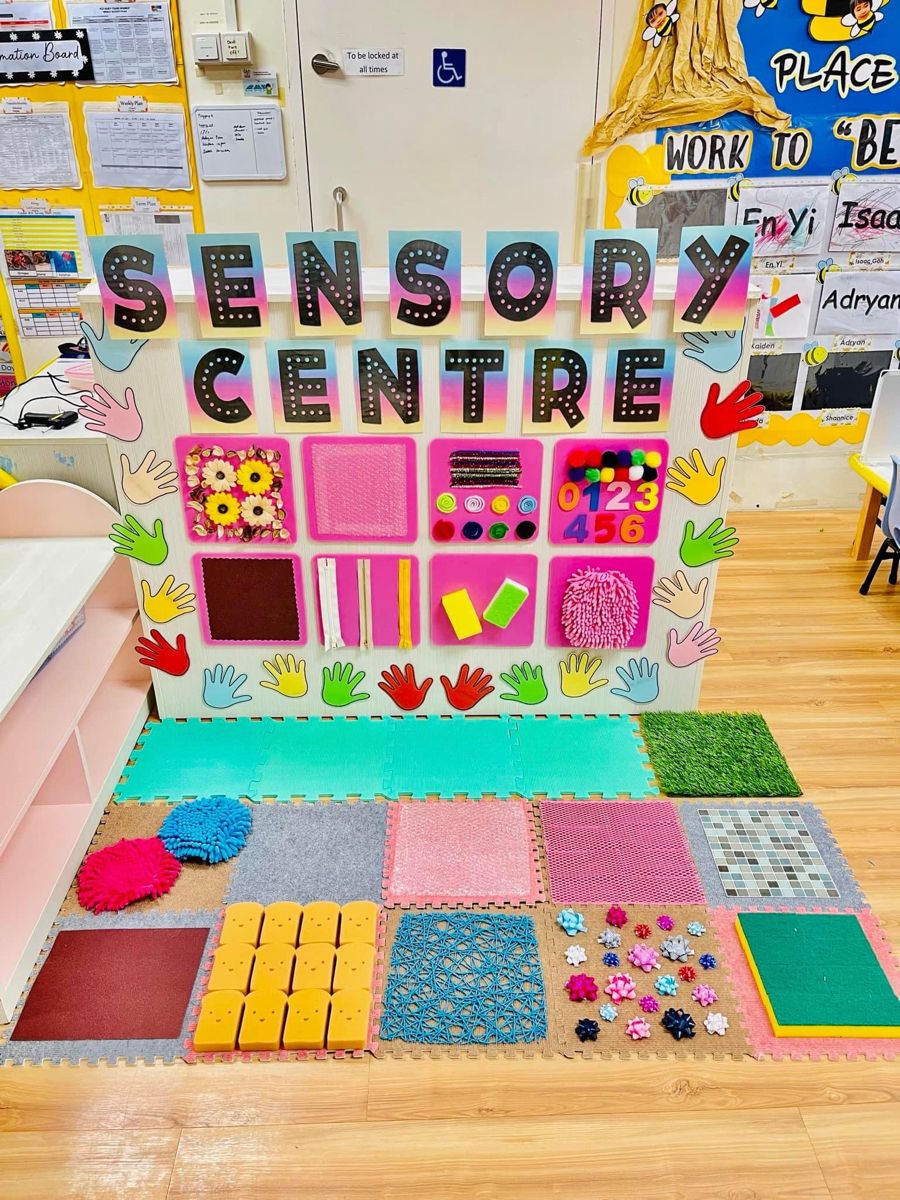
The sensory world can be overwhelming for autistic individuals. Fluorescent lighting flickers at imperceptible frequencies, background conversations blur into cacophony, and the hum of appliances becomes a relentless drone. Smart home technology addresses these challenges through customizable sensory environments. Smart bulbs, such as Philips Hue, allow users to adjust color temperature and brightness to match their sensory preferences—cool blues for focus, warm amber for relaxation. Motion-activated lighting eliminates the jarring transition of sudden illumination, while smart curtains can gently open or close to regulate natural light without manual intervention.
Sound, too, can be curated. Smart speakers and soundbars equipped with white noise or nature sounds can mask disruptive noises. Systems like Sonos integrate with apps to create personalized sound zones, ensuring that a child’s play area remains insulated from the clatter of kitchen appliances. For those sensitive to tactile stimuli, smart fabrics—embedded with temperature-regulating fibers or gentle vibration patterns—can provide comforting sensory input without overwhelming the user. These innovations transform the home into a sensory cocoon, where every element is tuned to the individual’s needs rather than the demands of the outside world.
Predictability in a Chaotic World: Routines and Smart Scheduling
Routine is a lifeline for many autistic individuals. Yet, even the most meticulously planned day can unravel due to unforeseen disruptions—a delayed bus, a last-minute meeting, or a power outage. Smart home technology introduces a layer of predictability that extends beyond the physical environment. Smart displays, like the Google Nest Hub, can project daily schedules with visual timers, reinforcing routines through clear, unchanging cues. Integration with calendar apps ensures that reminders are not just auditory but also visual, reducing the cognitive load of remembering tasks.
Smart appliances take this a step further. A smart oven can preheat at a scheduled time, while a robotic vacuum cleaner operates during off-peak hours to avoid sensory disruptions. Even something as simple as a smart plug can automate the turning on of a coffee maker at the same time each morning, eliminating the uncertainty of manual operation. These systems don’t just perform tasks; they create a rhythm, a predictable cadence that mirrors the internal need for structure. For autistic individuals, this rhythm is not just comforting—it’s essential for reducing anxiety and fostering independence.
Security and Solitude: Balancing Connection and Isolation
Safety is a multifaceted concern for autistic individuals and their caregivers. Smart home technology offers solutions that extend beyond physical security to include emotional and psychological safety. Smart locks and video doorbells provide real-time alerts for unexpected visitors, allowing users to screen interactions without the pressure of face-to-face confrontation. For those who experience social anxiety, this feature can be a game-changer, offering a sense of control over their environment.
Yet, safety also means respecting the need for solitude. Smart home systems can be programmed to send notifications to caregivers only when specific thresholds are breached—such as prolonged inactivity or unusual noise levels—rather than constant monitoring. This balance between oversight and autonomy is critical. Smart sensors can detect falls or distress signals, triggering alerts to emergency contacts or medical services without the need for verbal communication. These systems are not about surveillance; they’re about creating a safety net that respects the individual’s right to privacy while ensuring their well-being.
Beyond the Home: Smart Communities and Inclusive Design
The impact of smart home technology extends beyond individual dwellings. As these systems become more prevalent, they pave the way for smarter, more inclusive communities. Smart city initiatives that integrate with home automation can improve accessibility in public spaces—adjustable street lighting, noise-canceling zones in parks, and real-time transit updates tailored to sensory needs. For autistic individuals, these advancements mean fewer barriers to participation in the broader world.
Moreover, the data collected by smart home systems can inform caregivers and urban planners about patterns of need. For example, if multiple homes in a neighborhood report increased agitation during certain hours, local authorities might adjust noise ordinances or lighting schedules. This data-driven approach transforms individual solutions into collective benefits, fostering environments where neurodiversity is not just accommodated but celebrated.

Ethical Considerations: Privacy, Consent, and Autonomy
While the benefits of smart home technology are undeniable, they are not without ethical complexities. The collection of personal data—ranging from daily routines to physiological responses—raises questions about privacy and consent. For autistic individuals who may struggle with articulating their boundaries, these concerns are magnified. It’s essential that smart home systems are designed with robust privacy controls, allowing users to opt in or out of data sharing as they see fit.
Caregivers, too, must navigate the fine line between support and intrusion. Smart home technology should empower, not infantilize. Features like activity logs or remote monitoring should be transparent and customizable, ensuring that the individual retains agency over their environment. Ethical design means prioritizing user consent at every stage, from installation to daily use. When implemented thoughtfully, smart home systems can enhance autonomy rather than erode it.
A Future of Possibility: The Next Frontier of Smart Living
The evolution of smart home technology is still in its infancy, but the trajectory is clear: a future where homes are not just intelligent but also intuitive. Emerging technologies like artificial intelligence and machine learning will enable systems to anticipate needs before they are explicitly stated. Imagine a home that recognizes the signs of sensory overload—a tense posture, elevated heart rate—and proactively adjusts the environment before distress sets in. These advancements hold the promise of creating spaces that are not just safe but also deeply attuned to the individual’s emotional and sensory landscape.
As these technologies become more accessible, their potential to transform lives grows exponentially. For autistic individuals, smart homes offer more than convenience; they offer a sense of belonging in a world that often feels overwhelming. By embracing these innovations, we take a significant step toward creating environments where everyone can thrive—not in spite of their differences, but because of them.
The home of the future is not a static structure; it’s a living, breathing entity that adapts, responds, and nurtures. For autistic individuals, it’s a sanctuary where technology and humanity converge to create something extraordinary: a space that feels not just safe, but truly like home.