Autism spectrum disorder (ASD) reshapes family dynamics in subtle yet profound ways. While parents often bear the immediate responsibility of care, grandparents play an equally vital role—one that can either fortify a child’s development or inadvertently complicate it. Their involvement isn’t just beneficial; it’s transformative. When grandparents understand autism’s nuances, they become pillars of emotional stability, advocates of consistency, and unwitting architects of resilience. Yet, bridging the gap between their good intentions and effective support requires more than love—it demands insight, patience, and a willingness to adapt. This guide explores how grandparents can meaningfully engage in autism care, transforming their role from passive observers to active collaborators in nurturing a child’s growth.
For many grandparents, autism presents a landscape of unfamiliar challenges. The child they once knew as a chatty toddler may now retreat into silence, their needs expressed through behaviors that defy conventional understanding. This shift can evoke confusion, grief, or even frustration, especially when societal expectations clash with the child’s reality. Yet, within this disorientation lies an opportunity—not just to support the child, but to redefine the very essence of grandparenting. By embracing autism’s complexities, grandparents can cultivate a bond that transcends traditional roles, fostering a legacy of unconditional acceptance.
The Cognitive Bridge: Educating Grandparents on Autism’s Spectrum
Autism is not a monolith; it’s a constellation of traits, strengths, and challenges that vary as widely as the stars. For grandparents, the first step toward meaningful involvement is education. Understanding the spectrum means recognizing that no two autistic children are alike—what works for one may not resonate with another. Terms like “neurodiversity,” “sensory processing,” and “executive function” may initially sound like jargon, but they are the keys to unlocking a grandparent’s ability to connect.
Workshops, online courses, and even casual conversations with parents can demystify autism’s intricacies. Grandparents should familiarize themselves with common traits, such as stimming (self-stimulating behaviors like hand-flapping or rocking), echolalia (repetitive speech), and the nuances of social communication. Equally important is learning to identify the child’s unique “triggers”—sensory overloads, transitions, or unexpected changes that may provoke distress. Armed with this knowledge, grandparents can pivot from reactive responses (“Why is he doing that?”) to proactive understanding (“How can I make this easier for him?”).

Beyond theory, grandparents should immerse themselves in the child’s world. Observing their routines, noting their preferences, and even documenting their behaviors can reveal patterns that parents might overlook in the daily whirlwind of care. This hands-on approach transforms abstract concepts into tangible realities, making autism feel less like a diagnosis and more like a shared journey.
Routine as a Compass: The Power of Predictability
For autistic children, predictability is not a luxury—it’s a lifeline. Grandparents, with their wealth of life experience, are uniquely positioned to reinforce this stability. Whether it’s a weekly visit, a bedtime ritual, or a shared activity, consistency becomes a scaffolding that holds the child’s emotional world together. Yet, this doesn’t mean rigid schedules devoid of spontaneity; rather, it’s about creating a rhythm that the child can anticipate and rely on.
Consider the ritual of a Sunday morning breakfast. For a child who thrives on routine, the same pancakes, the same plate, and the same gentle conversation can anchor their week. Grandparents can take this further by introducing small, predictable traditions—like a “story time” before bed or a “craft hour” on Saturdays. These moments don’t just fill time; they build trust. They signal to the child that, despite the unpredictability of the world, there are constants they can depend on.
Of course, flexibility remains crucial. Autistic children may resist change, but they also benefit from gradual exposure to new experiences. Grandparents can act as guides in this process, introducing novelty in bite-sized increments. A new park, a different route to school, or a novel food can be framed as adventures rather than upheavals. The key is to pair these changes with reassurance—perhaps a favorite toy, a calming phrase, or a familiar snack—to ease the transition.

Routine also extends to communication. Grandparents should align their language and expectations with the child’s developmental level, avoiding abstract concepts or rapid-fire questions. Instead of “How was your day?” (which may elicit a shrug or a monosyllabic response), they might ask, “Did you draw a picture today?” or “What was your favorite part of lunch?” These open-ended yet concrete inquiries invite engagement without overwhelming the child.
Sensory Stewards: Creating Comfortable Environments
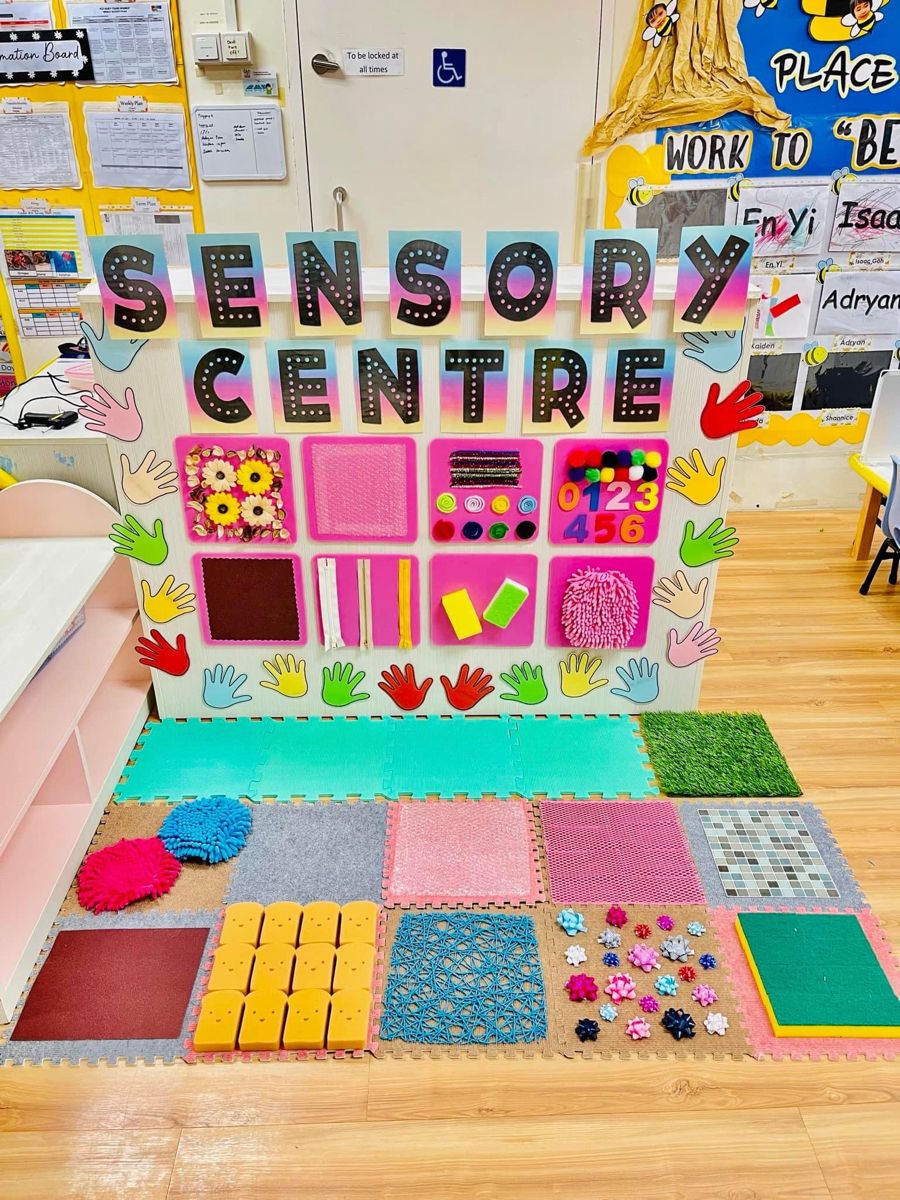
Sensory sensitivities are a cornerstone of autism, and grandparents can become stewards of the child’s comfort by tailoring their environment to their needs. A grandparent’s home, for instance, might need adjustments—soft lighting to reduce glare, noise-canceling headphones for bustling family gatherings, or a quiet corner stocked with fidget toys. These modifications aren’t about coddling; they’re about removing barriers that prevent the child from fully participating in family life.
Grandparents should also become attuned to the child’s sensory preferences. Does the child recoil from certain textures? Do they seek out deep pressure (like hugs or weighted blankets)? Do they cover their ears in response to loud noises? By observing these cues, grandparents can create sensory-friendly spaces that feel safe and inviting. Even small changes, like dimming overhead lights or offering a favorite snack, can make a world of difference.
Outings present another layer of sensory navigation. A trip to the grocery store or a family gathering can quickly become overwhelming for an autistic child. Grandparents can act as buffers, scouting locations in advance to identify quiet zones, planning visits during off-peak hours, or even bringing along comfort items like a favorite book or a stress ball. The goal isn’t to eliminate all sensory input but to curate experiences that the child can tolerate—and perhaps even enjoy.

It’s also worth noting that sensory needs can evolve. What once comforted a child might later overwhelm them, and vice versa. Grandparents should approach this aspect of care with curiosity rather than assumption, regularly checking in with the child and their parents to adjust their approach as needed.
Advocacy Allies: Supporting Parents Without Overstepping
Grandparents often find themselves walking a tightrope between support and interference. While their intentions are pure, their actions—no matter how well-meaning—can sometimes clash with the parents’ strategies. The key to avoiding this friction lies in open communication and a shared commitment to the child’s well-being. Grandparents should position themselves as allies, not critics, offering help without imposing their own ideas.
This might mean deferring to the parents’ expertise on therapies, dietary restrictions, or behavioral approaches. If the parents have established a reward system for good behavior, for example, grandparents should avoid undermining it with impromptu bribes or punishments. Instead, they can reinforce the system by praising the child’s efforts or helping them track progress. Similarly, if the parents have identified specific foods that trigger meltdowns, grandparents should respect those boundaries, even if it means preparing a separate meal.
Grandparents can also become advocates in less direct ways. They might research local support groups, share articles about autism-friendly events, or even offer to babysit so the parents can attend a therapy session or take a much-needed break. These gestures, though small, can alleviate the parents’ burden and demonstrate a deep respect for their role as primary caregivers.
Of course, disagreements will arise. Perhaps a grandparent believes the child “just needs discipline” or that a particular therapy is a waste of time. In these moments, it’s essential to reframe the conversation around the child’s needs rather than personal opinions. Grandparents can ask questions like, “How can I best support what you’re doing at home?” or “What’s one thing I can do to make this easier for you?” This shifts the focus from debate to collaboration, ensuring that the child remains the central priority.
Legacy Builders: Fostering Emotional and Social Growth
Beyond the practical aspects of care, grandparents have the profound opportunity to shape the child’s emotional and social development. They can become storytellers, weaving tales of their own childhood or family history in ways that resonate with the child’s interests. For a child who loves trains, a grandparent might share stories of their own train journeys; for a child fascinated by animals, they might recount adventures from a safari trip. These narratives don’t just entertain—they connect the child to a larger world and a sense of belonging.
Grandparents can also nurture the child’s social skills in low-pressure settings. Simple games like charades, board games with clear rules, or even parallel play (engaging in the same activity side by side) can teach turn-taking, cooperation, and emotional regulation. The key is to keep interactions playful and stress-free, avoiding the pressure of “performing” socially. For example, a grandparent might say, “Let’s take turns rolling the dice. I’ll go first, then you!” rather than demanding the child engage in a way that feels unnatural.
Emotional growth is another area where grandparents can make a lasting impact. They can model empathy by validating the child’s feelings—even when those feelings seem disproportionate to an outsider. Instead of dismissing a meltdown as “just a tantrum,” they might say, “I see you’re really upset. Do you want to tell me what’s wrong?” This approach teaches the child that their emotions are valid and that they can seek comfort from trusted adults.
Grandparents can also encourage the child’s strengths, whether it’s a prodigious memory, a talent for art, or an encyclopedic knowledge of dinosaurs. By celebrating these abilities, they help the child develop a sense of pride and identity. A grandparent might frame the child’s artwork and display it prominently, or they might take the child to a museum exhibit about dinosaurs, turning their passion into a shared adventure.
Grandparents are more than just secondary caregivers; they are the living archives of a family’s history, the keepers of traditions, and the guardians of unconditional love. When autism enters the picture, their role evolves into something even more profound—a bridge between the child’s inner world and the broader tapestry of family life. By educating themselves, embracing routine, nurturing sensory comfort, supporting parents, and fostering emotional growth, grandparents can transform their involvement from well-meaning to truly impactful.
The journey isn’t always smooth. There will be moments of frustration, missteps, and days when progress feels elusive. But within these challenges lies the opportunity to deepen bonds, to learn, and to grow alongside the child. Autism may reshape the family dynamic, but it doesn’t diminish the love that binds them. Instead, it offers a chance to redefine what that love looks like—to make it more patient, more adaptive, and more enduring. In the end, the greatest gift a grandparent can give isn’t just their time or their resources; it’s their presence, their understanding, and their unwavering commitment to being a steadfast ally in the child’s journey.