Parenting a child on the autism spectrum is a journey filled with unique challenges and profound rewards. When you’re doing it alone, the path can feel even more daunting—navigating therapies, school systems, and daily routines without a partner’s support demands resilience, creativity, and an unshakable commitment. Single parents of autistic children often find themselves balancing the roles of advocate, therapist, and caregiver, all while managing their own emotional well-being. This article explores practical strategies, emotional insights, and resourceful approaches to help single parents thrive in their caregiving role.
Autism presents a spectrum of needs, and no two children are alike. Some may require minimal support, while others need intensive, round-the-clock care. The absence of a co-parent can amplify the pressure, but it also fosters a deep sense of independence and resourcefulness. Single parents often develop an uncanny ability to read their child’s cues, anticipate challenges, and create tailored solutions. The key lies in leveraging available resources, building a support network, and prioritizing self-care to sustain both parent and child.

Understanding the Unique Challenges of Single Parenting an Autistic Child
Single parenting an autistic child introduces a distinct set of obstacles that differ from those faced by two-parent households. Financial strain often tops the list, as therapies, specialized education, and adaptive equipment can incur significant costs. Without a second income or shared expenses, single parents may find themselves stretched thin, forced to make difficult choices between necessities and therapeutic interventions.
Time management becomes another critical hurdle. Autistic children often thrive on routine, and disruptions can lead to heightened anxiety or behavioral challenges. Single parents must juggle appointments—occupational therapy, speech therapy, doctor visits—while ensuring their child’s daily needs are met. The lack of a partner to share the load can lead to burnout, making it essential to identify time-saving strategies and delegate tasks where possible.
Emotional isolation is a silent but pervasive challenge. Many single parents feel overwhelmed by the sheer volume of decisions they must make alone, from educational placements to medical treatments. The absence of a sounding board can make it difficult to process frustrations or celebrate small victories. Building a community of support—whether through local parent groups, online forums, or trusted friends—can mitigate this isolation and provide much-needed validation.
Building a Support Network: Allies in the Journey
A robust support network is the cornerstone of successful single parenting for an autistic child. Start by identifying local resources, such as parent support groups specifically for families of autistic children. These groups offer a safe space to share experiences, exchange advice, and form friendships with others who understand the journey. Many communities also have nonprofits or advocacy organizations that provide free or low-cost workshops on navigating school systems, accessing therapies, and securing funding for necessary services.
Online communities can be equally valuable. Platforms like Facebook groups, Reddit forums, or dedicated websites for autism parenting offer 24/7 access to advice and camaraderie. These digital spaces allow single parents to connect with others facing similar challenges, ask questions anonymously, and gain insights from diverse perspectives. However, it’s important to approach online advice with discernment, verifying information through reputable sources before implementing changes.
Professional support is another vital component. Therapists, counselors, or social workers specializing in autism can provide guidance on managing behavioral challenges, improving communication, and advocating for your child’s needs in educational settings. Some single parents may also benefit from respite care services, which offer temporary relief by providing trained caregivers to watch their child while they recharge. Exploring these options early can prevent burnout and ensure long-term sustainability in the parenting role.
Advocating for Your Child in Educational and Medical Systems
Navigating educational and medical systems alone requires tenacity and a deep understanding of your child’s rights. In the school system, single parents must become adept at advocating for individualized education programs (IEPs) or 504 plans that address their child’s unique needs. This often involves researching legal rights, attending meetings with educators, and, when necessary, requesting evaluations or accommodations. Keeping meticulous records of your child’s progress, challenges, and communications with school staff can strengthen your case and ensure your child receives the support they deserve.
Medical advocacy is equally critical. Single parents may need to coordinate care across multiple specialists, ensuring that treatments for autism-related conditions—such as gastrointestinal issues, sleep disorders, or anxiety—are addressed holistically. This can be overwhelming, but tools like shared digital calendars, symptom trackers, and a centralized health notebook can streamline the process. Don’t hesitate to ask for help from family, friends, or hired assistants to manage these logistical demands.
Legal advocacy may also arise, particularly if disputes emerge over educational placements, medical treatments, or guardianship as your child approaches adulthood. Consulting with an attorney specializing in disability rights can provide clarity on your options and empower you to make informed decisions. While the legal landscape can feel daunting, arming yourself with knowledge and support ensures you’re prepared to protect your child’s best interests.
Creating a Structured and Sensory-Friendly Home Environment
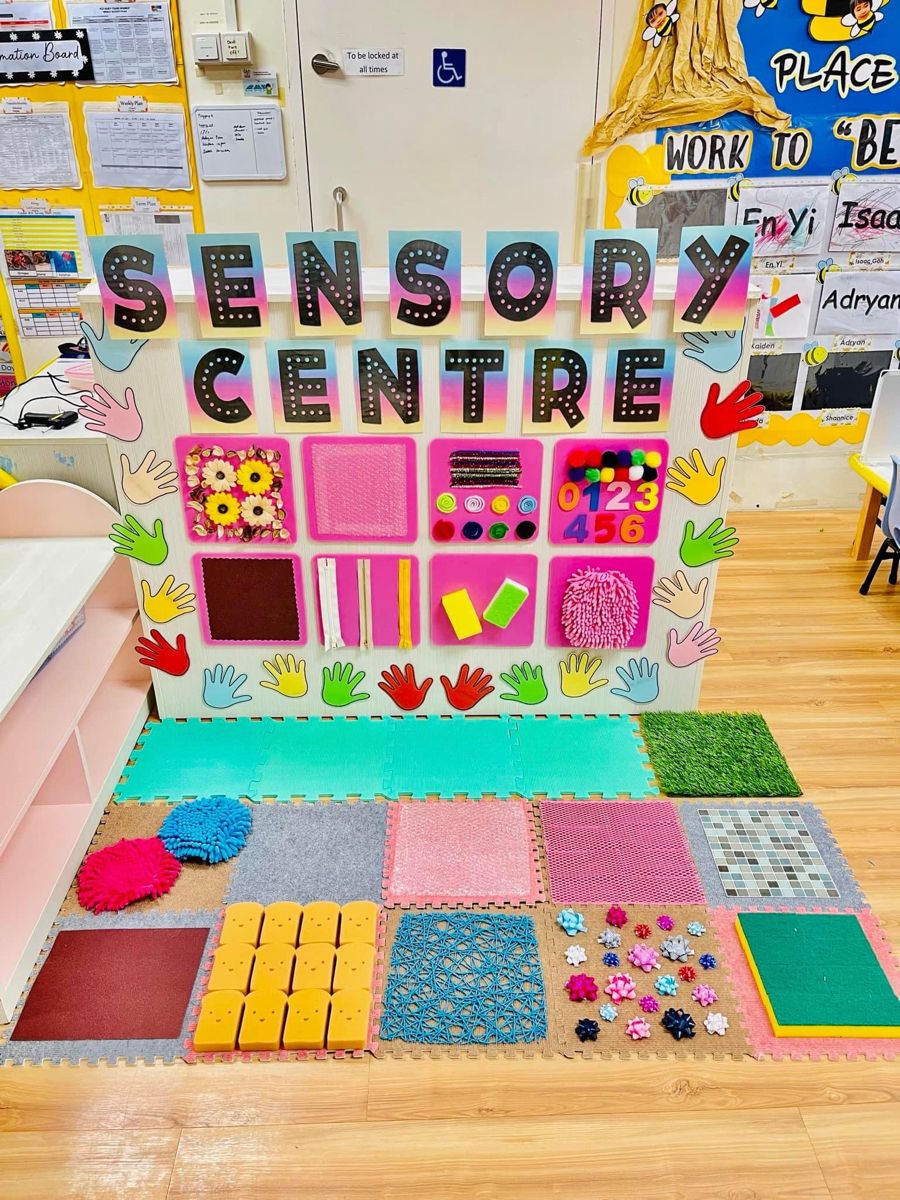
A well-designed home environment can significantly reduce stress for both parent and child. Autistic children often thrive in predictable, structured spaces where routines are clearly defined. Use visual schedules, timers, and labeled storage bins to create a sense of order. For children with sensory sensitivities, pay attention to lighting, noise levels, and textures in the home. Blackout curtains, noise-canceling headphones, or weighted blankets can make a world of difference in managing sensory overload.
Designate specific zones in the home for different activities—such as a quiet area for downtime, a sensory play zone, and a workspace for homework or therapy tasks. Involve your child in organizing their space, as this can foster a sense of ownership and control. If budget allows, consider consulting with an occupational therapist to assess your home’s sensory environment and recommend adjustments tailored to your child’s needs.
Flexibility is key, as no two days will be the same. Single parents must balance structure with adaptability, allowing room for spontaneity when it serves their child’s well-being. For example, if your child thrives on movement, incorporate active breaks into the daily routine. If they struggle with transitions, use gentle warnings and countdowns to prepare them for changes. The goal is to create a home that feels safe, predictable, and responsive to your child’s evolving needs.
Managing Behavioral Challenges with Compassion and Consistency
Behavioral challenges are a common aspect of autism, and managing them alone requires patience, consistency, and a deep understanding of your child’s triggers. Start by identifying the root causes of challenging behaviors—whether they stem from sensory overload, communication difficulties, or unmet needs. Avoid punitive responses, which can escalate anxiety or frustration. Instead, focus on proactive strategies, such as offering choices, using visual supports, or implementing a reward system to reinforce positive behaviors.
Consistency is paramount. Single parents must ensure that rules, expectations, and consequences are applied uniformly across all caregivers, including babysitters or extended family members. This consistency provides a sense of security for your child and reduces confusion. However, consistency doesn’t mean rigidity. Be open to adjusting strategies as you learn more about what works best for your child, and don’t hesitate to seek professional guidance if behaviors become unmanageable.
Self-regulation techniques can also benefit both parent and child. Teach your child simple coping strategies, such as deep breathing, counting, or using a stress ball, to help them manage overwhelming emotions. Model these techniques yourself, demonstrating that it’s okay to take breaks and prioritize emotional well-being. Over time, these tools can empower your child to navigate challenges with greater resilience.
Prioritizing Self-Care: The Non-Negotiable Foundation
Single parenting an autistic child is a marathon, not a sprint, and self-care is the fuel that keeps you going. Without it, burnout is inevitable. Start by carving out small pockets of time for activities that recharge you—whether it’s reading, exercising, or pursuing a hobby. Even 15 minutes a day can make a difference in your mental and emotional state.
Physical health is equally important. Ensure you’re eating nourishing meals, staying hydrated, and getting enough rest. Sleep deprivation exacerbates stress and impairs decision-making, so protect your sleep schedule whenever possible. If sleep is a challenge, explore strategies like white noise machines, blackout curtains, or relaxation techniques to improve your rest.
Emotional self-care involves acknowledging your feelings without judgment. It’s okay to feel frustrated, overwhelmed, or even resentful at times. Suppressing these emotions only leads to greater strain. Consider journaling, therapy, or mindfulness practices to process your experiences. Remember, taking care of yourself isn’t selfish—it’s necessary for your ability to care for your child.
Financial Planning and Resource Management
Financial stress is a reality for many single parents of autistic children, but strategic planning can alleviate some of the burden. Start by researching government programs, grants, and scholarships designed to support families of children with disabilities. Programs like Supplemental Security Income (SSI), Medicaid waivers, or state-specific assistance can provide financial relief for therapies, equipment, or respite care.
Budgeting is essential. Track your income and expenses meticulously, identifying areas where you can cut costs or reallocate funds. For example, purchasing adaptive clothing or sensory tools in bulk, or exploring community resources like toy libraries or free therapy sessions. Don’t hesitate to reach out to local charities or religious organizations, which often provide financial aid or in-kind support for families in need.
Long-term planning is also critical. Consider setting up a dedicated savings account for your child’s future needs, such as higher education or specialized care. If possible, consult with a financial advisor who specializes in disability planning to explore options like ABLE accounts or special needs trusts. These tools can provide financial security while preserving your child’s eligibility for government benefits.
Finally, advocate for your child’s needs in all settings. Schools, employers, and community organizations may offer discounts, scholarships, or free services for autistic children. Keep a running list of potential resources, and don’t be afraid to ask for help when needed. Financial strain doesn’t have to define your journey—resourcefulness and perseverance can turn challenges into opportunities.
Single parenting an autistic child is a testament to strength, adaptability, and unwavering love. While the road may be fraught with obstacles, it is also paved with moments of profound connection and growth. By building a support network, advocating for your child, creating a nurturing home environment, and prioritizing self-care, you can navigate this journey with resilience and grace. Remember, you are not alone—your dedication is a beacon of hope for your child, and every small step forward is a victory worth celebrating.