The bond between humans and animals transcends mere companionship; it often evolves into a profound therapeutic alliance, especially for individuals navigating the complexities of autism. Emotional support animals (ESAs) have emerged as a beacon of solace for many, offering a unique form of unconditional support that human interactions sometimes struggle to provide. For those on the autism spectrum, these animals can act as a stabilizing force, mitigating sensory overload, emotional turbulence, and social anxieties. Yet, the relationship between autism and ESAs is not merely anecdotal—it is rooted in neurobiological and psychological principles that underscore the innate human need for connection, even when that connection is with another species.
The fascination with ESAs in the context of autism is not without reason. Observers often note how a child or adult with autism seems to find an inexplicable calm in the presence of an animal, as if the creature’s presence alone can recalibrate their nervous system. This phenomenon hints at something deeper: the way animals, particularly dogs and certain other species, can act as social catalysts, bridging the gap between isolation and engagement. Their non-judgmental demeanor and consistent presence create a safe space where individuals with autism can practice emotional regulation and social interaction without the pressure of human expectations. But how exactly do these animals fulfill such a critical role, and what makes them so uniquely suited to this task?
The Science Behind Emotional Support Animals and Autism
At the heart of the ESA-autism connection lies the concept of biophilia—the innate human tendency to affiliate with other living organisms. For individuals with autism, whose sensory and social processing may be atypical, this affiliation can be particularly transformative. Studies suggest that interactions with animals can stimulate the release of oxytocin, a neurotransmitter associated with bonding and trust, while simultaneously reducing cortisol levels, the hormone linked to stress. This biochemical shift can lead to a noticeable reduction in anxiety and an increase in emotional resilience.
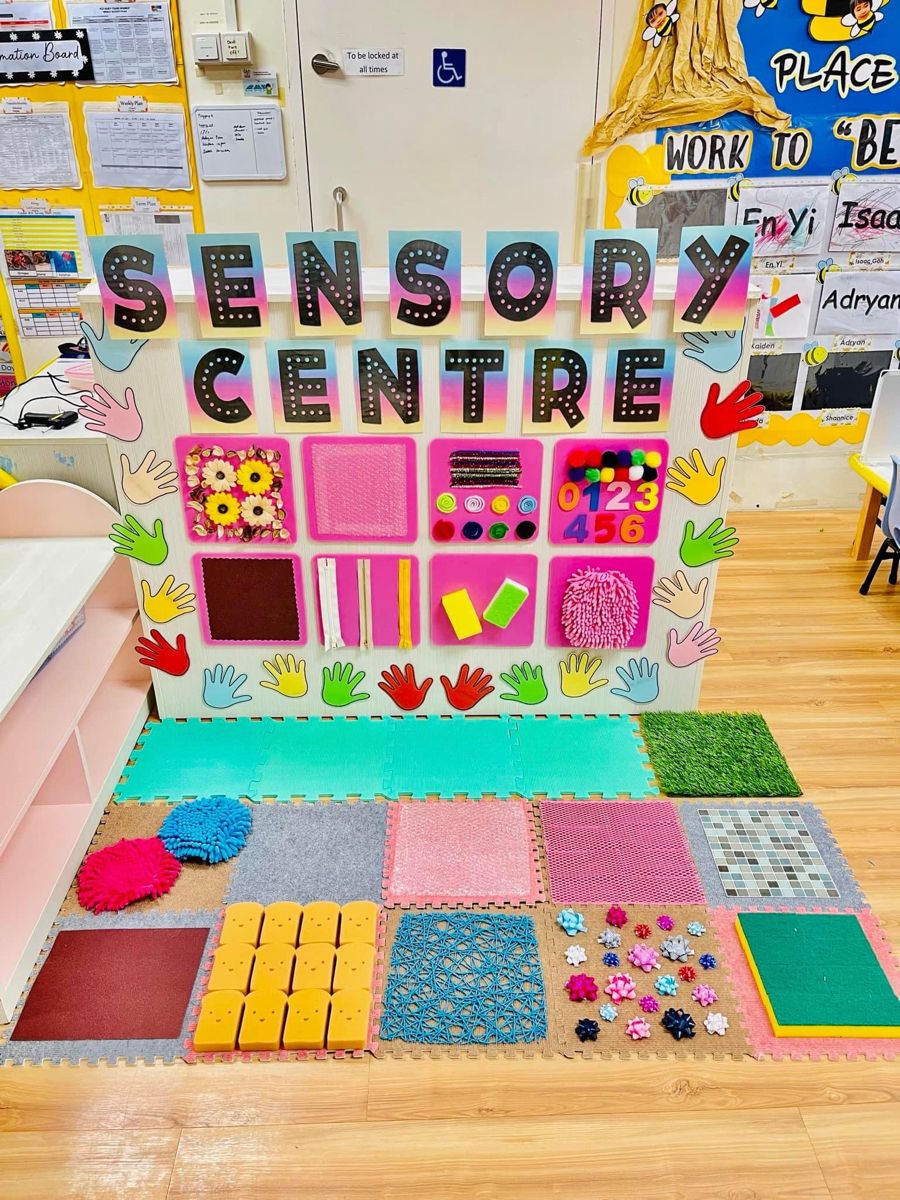
Moreover, animals provide a form of sensory grounding, a technique often recommended in autism therapy. The tactile experience of petting an animal, for instance, can ground an individual in the present moment, diverting attention from overwhelming stimuli. The rhythmic motion of a dog’s breathing or the softness of its fur can serve as an anchor, much like a weighted blanket, offering a predictable and soothing sensory input. This is particularly beneficial for those with autism who experience hyperacusis (heightened sensitivity to sound) or tactile defensiveness, where touch can feel either unbearable or nonexistent.
Another critical aspect is the predictability of an animal’s behavior. Unlike human interactions, which can be fraught with ambiguity and social cues that are difficult to interpret, an animal’s actions are consistent and transparent. A dog’s wagging tail, a cat’s purring, or even a bird’s chirping provide clear, unambiguous feedback that can be easier for someone with autism to process. This predictability fosters a sense of security, reducing the cognitive load of navigating social nuances.
Choosing the Right Emotional Support Animal for Autism
Not all animals are equally suited to serve as emotional support companions for individuals with autism. The ideal ESA is one that aligns with the person’s sensory preferences, lifestyle, and specific needs. Dogs, for instance, are the most common choice due to their trainability, social nature, and ability to perform tasks like deep pressure therapy or interrupting repetitive behaviors. However, other animals—such as rabbits, guinea pigs, or even horses—can also provide significant benefits, depending on the individual’s comfort level.
For those with sensory sensitivities, smaller animals like guinea pigs or rabbits may be preferable, as their size and gentle demeanor can feel less intimidating. Their quiet presence and minimal demands can be less overwhelming than the exuberance of a dog. On the other hand, individuals who thrive on routine and structure might benefit from the companionship of a horse, whose size and calm demeanor can offer a grounding effect. Equine-assisted therapy, in particular, has gained recognition for its ability to improve emotional regulation and social skills in individuals with autism.
The selection process should also consider the animal’s temperament. A calm, patient animal is essential, as someone with autism may need time to build trust and familiarity. Avoiding animals with high energy levels or unpredictable behaviors is crucial to prevent sensory overload. Additionally, the animal’s grooming needs and maintenance requirements should align with the individual’s ability to care for it, ensuring that the relationship remains mutually beneficial rather than burdensome.
Emotional Support Animals vs. Service Animals: Clarifying the Distinction
It is a common misconception that emotional support animals and service animals are interchangeable. While both provide invaluable support, their roles and legal protections differ significantly. A service animal, typically a dog, is trained to perform specific tasks that mitigate a disability, such as guiding a visually impaired individual or alerting someone with diabetes to dangerous blood sugar levels. These animals are granted public access rights under the Americans with Disabilities Act (ADA).
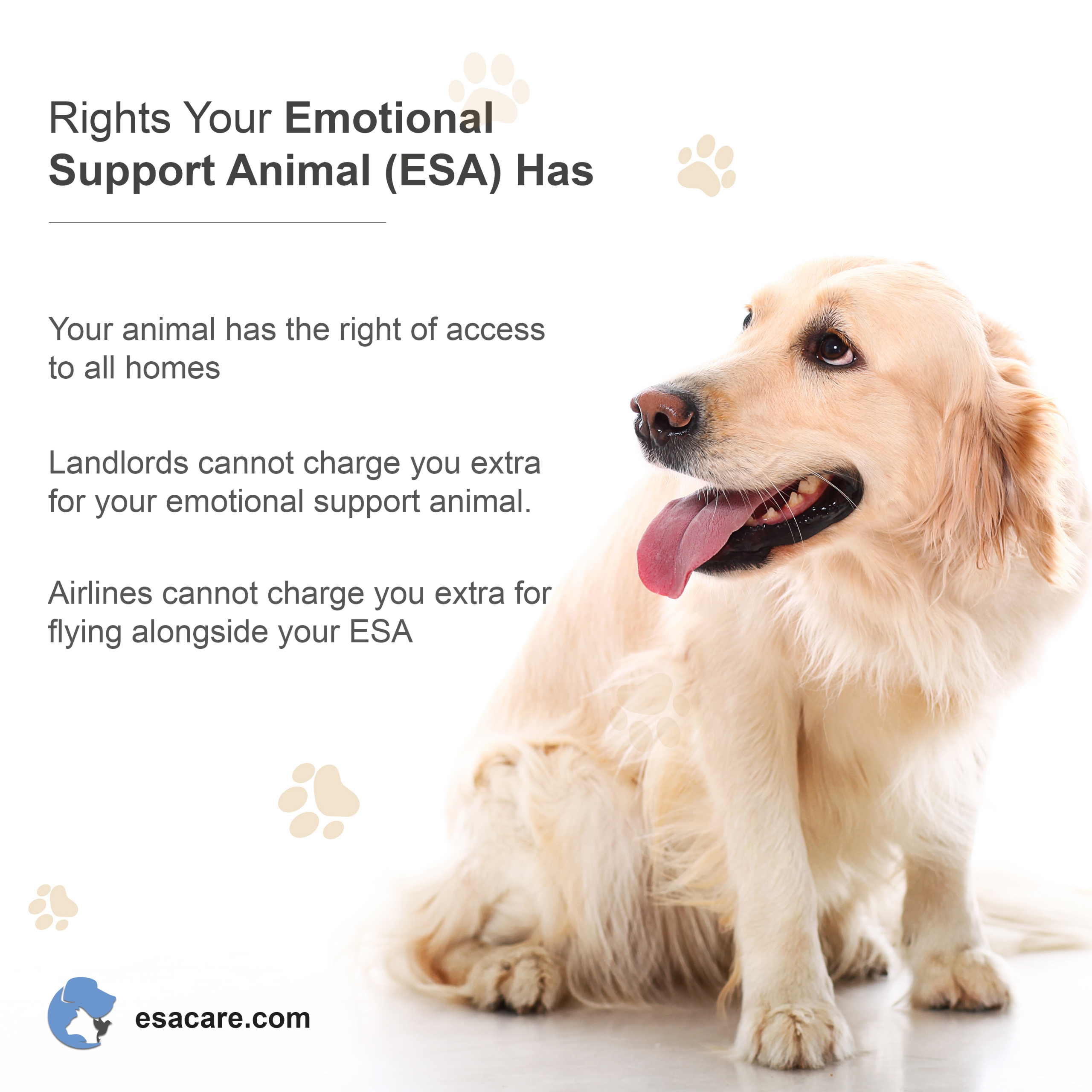
In contrast, an emotional support animal does not require specialized training but provides comfort and emotional stability through its mere presence. While ESAs can be any species—dogs, cats, birds, or even miniature pigs—they do not have the same legal protections as service animals. They are not granted automatic access to public spaces like restaurants or airplanes, though they may be accommodated under certain housing policies or with prior approval.
This distinction is crucial for individuals with autism and their families to understand, particularly when navigating housing or travel arrangements. While an ESA can offer profound emotional benefits, it is essential to recognize its limitations in terms of legal recognition. For those seeking greater independence and mobility, a service animal trained to perform specific tasks may be a more appropriate choice.
Real-Life Transformations: Stories of Connection and Growth
The impact of emotional support animals on individuals with autism is perhaps best illustrated through personal narratives. Consider the story of a young boy named Liam, who struggled with severe anxiety and sensory overload. His parents noticed that his agitation would subside whenever they visited their neighbor’s therapy dog, Max. After extensive research and consultation with a therapist, they decided to adopt a golden retriever puppy, which they named Sunny. Within weeks, Liam’s outbursts decreased, and he began initiating conversations with Sunny, practicing social skills in a low-pressure environment.
Another example is Sarah, a teenager with autism who found solace in the presence of her pet rabbit, Thumper. Sarah’s sensory sensitivities made human interactions exhausting, but Thumper’s quiet presence offered her a sense of calm. She would spend hours grooming Thumper, a repetitive activity that helped her regulate her emotions. Over time, Sarah’s confidence grew, and she began to engage more with her peers, using Thumper as a conversation starter.
These stories highlight a common thread: the animal becomes more than a companion; it becomes a catalyst for growth. Whether through reducing anxiety, encouraging social interaction, or providing a safe space for emotional expression, ESAs can unlock potential that might otherwise remain untapped.
Practical Considerations: Integrating an ESA into Daily Life
While the benefits of an emotional support animal are undeniable, integrating one into daily life requires careful planning and consideration. The first step is consulting with a mental health professional to determine whether an ESA is a suitable intervention. A therapist or psychiatrist can provide documentation that may be required for housing accommodations or travel, though it is essential to understand the legal limitations of such documentation.
Once an animal is selected, training and socialization are critical. Even if the animal does not require formal service training, basic obedience and exposure to various environments can prevent future challenges. For instance, a dog that is comfortable in crowded spaces will be better suited to accompany its owner to public events or therapy sessions. Similarly, an animal that is accustomed to different sounds and textures will be less likely to trigger sensory sensitivities.
It is also important to consider the long-term commitment involved. Animals have lifespans, and their needs evolve over time. A puppy may grow into a large, energetic dog that requires more exercise, while an older animal may develop health issues that demand additional care. Families must be prepared for these changes and ensure that the animal’s well-being remains a priority.
The Future of Emotional Support Animals in Autism Therapy
The role of emotional support animals in autism therapy is still an evolving field, with ongoing research exploring their efficacy and mechanisms. Emerging studies are examining the long-term benefits of animal-assisted interventions, particularly in schools and therapeutic settings. Programs that incorporate animals into occupational therapy or speech therapy sessions are showing promise in improving engagement and outcomes for children with autism.
Additionally, advancements in technology may soon offer new ways to enhance the ESA experience. Wearable devices that monitor an animal’s stress levels or smart collars that track its interactions with its owner could provide valuable insights into the dynamics of the human-animal bond. These innovations could help tailor interventions more precisely, ensuring that the animal’s presence is as beneficial as possible.
As society continues to recognize the value of non-human connections, the integration of emotional support animals into therapeutic frameworks will likely become more widespread. For individuals with autism, these animals offer more than companionship—they provide a lifeline to a world that often feels overwhelming, a reminder that connection, in all its forms, is a fundamental human need.
The bond between a person with autism and their emotional support animal is a testament to the power of interspecies relationships. It is a reminder that healing is not confined to human interactions but can be found in the quiet, steadfast presence of another being. In a world that often demands conformity and masks vulnerability, these animals offer something rare and invaluable: acceptance without conditions, comfort without judgment, and a sense of belonging that transcends words.