Autism and bird watching share an unexpected yet profound connection. For many individuals on the spectrum, the rhythmic cadence of nature’s winged symphony offers a sanctuary—a place where overstimulation fades into the background, and focus sharpens like a bird’s keen eyesight. Bird watching, often dismissed as a passive pastime, transforms into a dynamic sensory experience that can ground, inspire, and even heal. This article explores how the gentle art of observing birds can become a therapeutic ally for those with autism, catering to diverse sensory needs while fostering connection, patience, and wonder.
The allure of bird watching lies in its simplicity. Unlike structured activities that demand rigid participation, bird watching adapts to the observer’s pace. Whether through the lens of binoculars, the hum of a bird guide app, or the quiet rustle of leaves as a sparrow flits by, it invites engagement without pressure. For autistic individuals who may struggle with social expectations or sensory overload, this hobby provides a low-stakes entry point to the natural world. The key lies in tailoring the experience to individual preferences—whether that means seeking out urban parks for convenience or venturing into dense woodlands for richer encounters.
The Sensory Symphony of Bird Watching
Birds are nature’s living metronomes, their calls and movements offering a predictable yet ever-changing soundtrack. For autistic individuals who experience sensory sensitivities, these auditory and visual cues can serve as anchors. The trill of a robin at dawn or the sudden flash of a cardinal’s crimson wings can become moments of clarity in an otherwise chaotic sensory landscape. Unlike the unpredictable noise of crowded spaces, bird songs follow patterns—repetitive, rhythmic, and often soothing. This predictability can be deeply reassuring, allowing the observer to attune themselves to nature’s tempo rather than feeling overwhelmed by it.
Visual stimulation is another cornerstone of bird watching’s appeal. The vibrant plumage of a goldfinch, the intricate patterns of a woodpecker’s feathers, or the fleeting silhouette of a hawk against the sky can captivate the eye in ways that artificial stimuli cannot. For those with visual sensitivities, the contrast between a bird’s vivid colors and the muted backdrop of foliage can create a calming focal point. Moreover, the act of tracking movement—whether through binoculars or the naked eye—encourages mindfulness, pulling attention away from intrusive thoughts or external stressors.
Tactile engagement, though less obvious, also plays a role. The smooth weight of binoculars in hand, the texture of a field guide’s pages, or the cool morning dew on grass can ground the observer in the present moment. For individuals who seek deep pressure or rhythmic motion, the repetitive scanning of the sky or the gentle turning of pages can provide a comforting tactile rhythm. Bird watching, in this sense, becomes a multisensory experience that engages the body as much as the mind.
Adapting Bird Watching to Individual Needs
No two autistic individuals experience the world in the same way, and bird watching must be as flexible as the birds themselves. For those who thrive on routine, establishing a consistent time and location for observation—such as a weekly visit to a local pond—can provide structure. Others may prefer spontaneous exploration, following the whims of curiosity as they wander through varied habitats. The beauty of this hobby is that it can be as rigid or as fluid as needed.
For individuals with auditory sensitivities, the cacophony of a dawn chorus might be overwhelming. In such cases, focusing on a single species—like the gentle coo of a mourning dove—can offer a more manageable entry point. Similarly, those with visual sensitivities may benefit from using apps that highlight bird calls or provide visual cues, reducing the need for prolonged focus on movement. Technology, often a double-edged sword for autistic individuals, can here serve as a bridge to deeper engagement with the natural world.
Accessibility is another critical consideration. Urban bird watching, for instance, requires minimal travel and can be done from a park bench or even a window. This eliminates the barriers of transportation or unfamiliar environments, making it an inclusive option. For those who prefer solitude, bird watching offers a rare opportunity to immerse oneself in nature without the pressure of social interaction. Yet, for those who enjoy community, local birding groups or online forums can provide a sense of belonging without the demands of face-to-face conversation.
Bird Watching as a Gateway to Mindfulness and Learning
Beyond its sensory benefits, bird watching cultivates skills that extend far beyond the hobby itself. The practice of observation hones patience—a virtue often tested in a world that demands instant gratification. Waiting for a rare species to appear teaches resilience, while the act of documenting sightings fosters a sense of achievement. For autistic individuals who may struggle with executive function, the structured yet open-ended nature of bird watching can provide a sense of purpose without rigidity.
Learning about birds also opens doors to broader educational opportunities. The study of ornithology, though complex, can be broken down into digestible segments. A child might start by identifying backyard birds, while an adult could delve into migration patterns or ecological roles. This incremental approach allows for deep dives into topics of interest without overwhelming the learner. Moreover, the interdisciplinary nature of bird watching—combining science, art, and history—ensures that there is always something new to discover.
Artistic expression often emerges as a natural extension of bird watching. Sketching a bird’s posture, composing a poem about its song, or photographing its behavior can become creative outlets. For autistic individuals who excel in visual or pattern-based thinking, these activities provide a means of self-expression that transcends verbal communication. The act of creating can be as therapeutic as the act of observing, offering a way to process emotions and experiences through a different lens.

Overcoming Challenges and Building Confidence
Of course, bird watching is not without its challenges. The unpredictability of wildlife can be frustrating for those who crave control. A bird may take flight before being identified, or a sudden noise might disrupt a moment of focus. Yet, these challenges themselves can become opportunities for growth. Learning to adapt to the unexpected—whether by practicing deep breathing or reframing the experience as a lesson in flexibility—can build emotional resilience.
For some, the social aspects of bird watching may pose difficulties. Group outings might require advance preparation, such as discussing expectations or practicing conversation starters. However, the shared passion for birds can also foster connections. Online communities, where anonymity reduces social pressure, allow individuals to exchange tips, photos, and stories at their own pace. The key is to approach bird watching in a way that aligns with personal comfort levels, whether that means participating in a group or enjoying solitary excursions.
Safety is another consideration, particularly for those who may wander or struggle with spatial awareness. Planning routes in advance, using GPS tracking, or bird watching in familiar areas can mitigate risks. For parents or caregivers, framing bird watching as a supervised activity—perhaps with a checklist of birds to spot—can provide structure while allowing independence. The goal is to create an experience that feels safe, enjoyable, and empowering.
Incorporating Bird Watching into Daily Life
Bird watching need not be confined to dedicated outings. Simple adaptations can weave this hobby into everyday routines. A bird feeder outside a window transforms passive observation into an ongoing activity. Recording sightings in a journal or app turns a casual glance into a meaningful practice. Even the act of listening to bird calls while commuting or during breaks can provide moments of calm amidst a busy day.
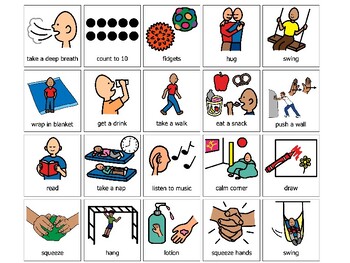
For educators or therapists, bird watching can be integrated into sensory diets or therapeutic programs. Structured activities, such as identifying birds by sound or creating a “sightings map,” can align with individual goals. The tactile experience of handling binoculars or the auditory focus required to distinguish calls can serve as grounding techniques. When tailored to specific needs, bird watching becomes more than a hobby—it becomes a tool for growth.

Autism and bird watching may seem like an unlikely pairing, but their synergy reveals a deeper truth: healing often lies in the spaces where we least expect it. The world of birds is one of rhythm, color, and quiet intensity—a mirror to the inner landscapes of those who observe it. Whether through the lens of a camera, the pages of a guidebook, or the simple act of listening, bird watching offers a path to calm, connection, and discovery. For autistic individuals, it is not just a hobby; it is a sanctuary where the mind can wander freely, and the soul can find its rhythm.
As the seasons turn and the birds return, so too does the opportunity for renewal. Each sighting, each call, each fleeting moment of connection becomes a thread in the tapestry of a life well-lived. In the end, bird watching is more than an escape—it is an invitation to engage with the world on one’s own terms, one feather at a time.