In the labyrinth of sensory experiences, where the world unfolds in a symphony of textures, flavors, and sensations, children with autism often navigate a particularly treacherous terrain. For them, the act of eating is not merely a biological necessity but a complex negotiation between comfort and challenge. Food textures, in particular, can feel like an uncharted wilderness—some textures are as soothing as a gentle breeze, while others assault the senses like a storm. Understanding and addressing these aversions is not just about nutrition; it’s about unlocking a world of nourishment that feels safe, familiar, and even delightful.
The relationship between autism and food textures is a delicate dance of perception and preference. What might seem like an innocuous piece of broccoli to one person can feel like a jagged, unyielding obstacle to another. This hypersensitivity is not a flaw but a unique lens through which the world is experienced. By embracing this perspective, we can transform mealtime from a battleground into a playground of exploration, where textures are not feared but celebrated for their diversity and intrigue.

The Sensory Spectrum: Why Textures Feel Like a Foreign Language
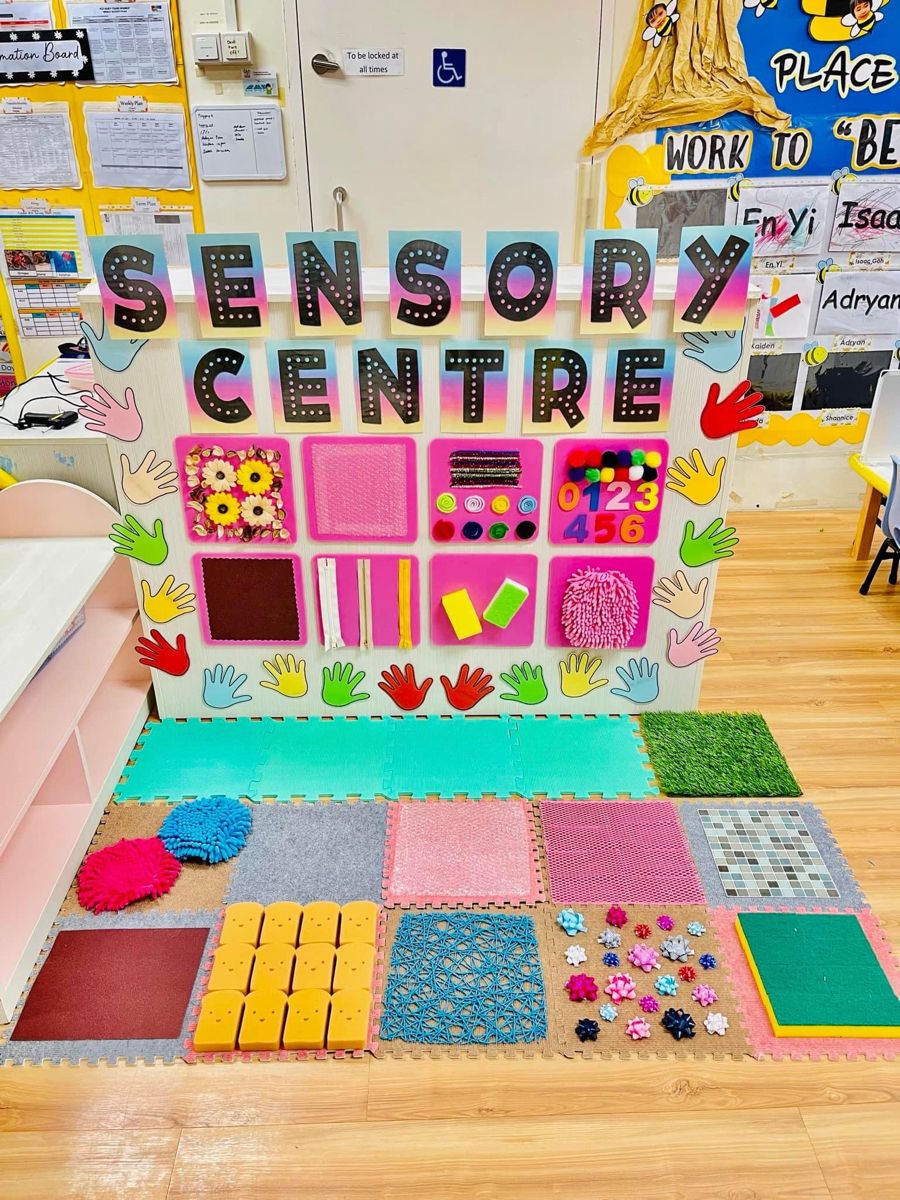
Imagine, for a moment, that your sense of touch is not confined to your fingertips but extends to your mouth, your tongue, and even your throat. For a child with autism, this is not a metaphor but a reality. The brain processes sensory information differently, amplifying certain textures while muting others. A creamy yogurt might feel like a silken cloud, while a crisp apple slice could feel like a shard of glass. This heightened sensitivity is not a choice but an intrinsic part of their sensory makeup.
The challenge lies in the unpredictability of textures. A food that was once tolerated might suddenly become unbearable, leaving caregivers baffled and frustrated. This inconsistency is not a sign of defiance but a reflection of the brain’s complex wiring. What’s needed is not rigid adherence to a routine but a flexible approach that respects the child’s ever-changing sensory landscape.
From Resistance to Resilience: The Power of Gradual Exposure
Introducing new textures is akin to teaching a child to swim in uncharted waters. The key is to start shallow and move deeper gradually. Begin with textures that are already familiar and comforting, then slowly introduce variations. For example, if a child enjoys smooth mashed potatoes, experiment with slightly lumpy versions before moving on to soft, steamed vegetables. The goal is not to overwhelm but to build confidence through incremental steps.
It’s also essential to pair new textures with positive experiences. A child who associates a particular texture with a favorite song, a playful game, or a comforting hug is more likely to accept it over time. The brain, after all, is a master of association, and by linking textures to joy, we can rewire resistance into curiosity.

The Alchemy of Transformation: Turning Aversions into Acceptance
Sometimes, the solution lies not in changing the child but in changing the food itself. The alchemy of transformation involves modifying textures to make them more palatable. Blending, mashing, or pureeing foods can turn a once-dreaded texture into a smooth, manageable experience. For instance, a child who refuses raw carrots might happily accept them when blended into a soup or a creamy puree.
Another technique is to combine textures in a way that feels familiar. A crunchy topping on a creamy dish can provide a satisfying contrast without overwhelming the senses. The key is to create a harmonious balance where no single texture dominates, allowing the child to explore without fear.
The Social Tapestry: Mealtime as a Shared Experience
Mealtime is not just about food; it’s about connection. For children with autism, the social aspect of eating can be as challenging as the sensory one. The presence of others, the clatter of utensils, and the expectations of conversation can turn a simple meal into a high-stakes event. To ease this tension, create a calm, predictable environment where the focus is on the experience rather than the outcome.
Incorporate rituals that make mealtime feel safe and enjoyable. A special placemat, a favorite song, or a silly game can transform eating from a chore into a cherished ritual. The goal is to foster a sense of belonging, where the child feels supported rather than scrutinized.
The Unseen Heroes: Tools and Techniques for Success
In the quest to overcome food texture aversions, tools and techniques can be invaluable allies. Silicone mats, textured spoons, and sensory-friendly plates can make a world of difference. These tools are not crutches but bridges, helping children navigate the sensory landscape with greater ease.
Another powerful technique is the use of visual schedules. By outlining the steps of mealtime in a clear, visual format, children can anticipate what’s coming next, reducing anxiety and increasing cooperation. The power of predictability cannot be overstated in a world where sensory experiences are often unpredictable.
The Ripple Effect: Beyond the Plate
The benefits of overcoming food texture aversions extend far beyond the dinner table. As children become more comfortable with a variety of textures, they also gain confidence in other areas of their lives. The resilience they develop through mealtime challenges can spill over into school, social interactions, and personal growth. What begins as a small victory over a piece of broccoli can blossom into a lifelong journey of self-discovery and empowerment.

In the end, the journey to overcome food texture aversions is not about forcing compliance but about fostering understanding. It’s about recognizing that the world is not one-size-fits-all and that every child deserves to experience food in a way that feels safe, enjoyable, and uniquely their own. By embracing the diversity of textures and the complexity of sensory experiences, we can turn mealtime into a celebration of individuality—a testament to the beauty of differences.