The first time a child with autism steps into a theme park, the experience can be overwhelming. The cacophony of laughter, the scent of cotton candy, the kaleidoscope of colors—each sensory input bombards their nervous system. Yet, for many families, theme parks also represent a place of wonder, where the structured chaos of rides and attractions can become a sanctuary of predictability. The paradox of sensory overload and fascination is not lost on parents and caregivers who navigate these spaces with both trepidation and hope. Theme parks, with their meticulously designed environments, offer a unique opportunity to explore how structured stimulation can either soothe or overwhelm neurodivergent minds. Understanding this duality is key to unlocking the potential of sensory-friendly attractions for children on the autism spectrum.
The Sensory Labyrinth: Why Theme Parks Can Be Daunting
Theme parks are engineered to captivate the senses. Bright lights flicker in rhythmic patterns, roller coasters hurtle through loops with thunderous precision, and the air hums with the chatter of thousands of visitors. For a child with autism, whose sensory processing may be hyper- or hypo-sensitive, this environment can feel like a minefield. The vestibular system, responsible for balance and spatial orientation, may become overstimulated by the sudden drops and sharp turns of rides. Meanwhile, the auditory cortex might struggle to filter out the relentless barrage of sounds, from squeals of delight to the mechanical whirring of attractions. Even the tactile experience—whether it’s the rough texture of a ride seat or the sticky residue of spilled soda—can trigger discomfort.
Yet, this very complexity is what makes theme parks intriguing. The structured unpredictability of rides can provide a controlled form of sensory input that some autistic children crave. The key lies in preparation. Theme parks that recognize these challenges often offer sensory maps, quiet zones, and staff trained in neurodiversity awareness. These accommodations transform a potentially distressing experience into one of exploration, where the child can engage with the environment on their own terms.
Sensory-Friendly Attractions: A Haven of Predictability
Sensory-friendly attractions are designed to mitigate overwhelming stimuli while retaining the magic of a theme park. These experiences typically feature dimmed lighting, reduced noise levels, and slower ride speeds. Characters may avoid sudden movements, and queues might be shortened or provided with distractions like interactive games. The goal is to create an environment where the child can anticipate what comes next, reducing anxiety and allowing them to fully immerse themselves in the joy of the experience.
One of the most effective sensory-friendly innovations is the “quiet hour,” where parks temporarily lower music volumes, dim lights, and pause flashing effects. During these windows, rides operate at a gentler pace, and staff are available to assist with any sensory needs. For families, this means the freedom to enjoy attractions without the constant vigilance required to shield their child from overstimulation. The result is not just a fun outing but a shared moment of connection, where the child’s unique way of experiencing the world is not just accommodated but celebrated.
The Role of Visual Schedules and Social Stories
Preparation is the cornerstone of a successful theme park visit for a child with autism. Visual schedules, which outline the day’s activities in pictures or simple text, provide a roadmap that demystifies the chaos. A schedule might include a stop at a sensory-friendly ride, a break in a quiet area, and a designated meet-up spot in case the child needs to regroup. Social stories, short narratives that describe social situations in a structured way, can also prepare the child for what to expect. These tools transform the unknown into the familiar, reducing the fear of the unexpected.
Theme parks that integrate these resources into their guest services demonstrate a commitment to inclusivity. By offering downloadable guides or on-site assistance to create personalized schedules, they empower families to tailor the experience to their child’s needs. This proactive approach not only enhances the child’s comfort but also fosters a sense of independence, as they learn to navigate the park with confidence.

Beyond the Rides: Creating Sensory-Friendly Spaces
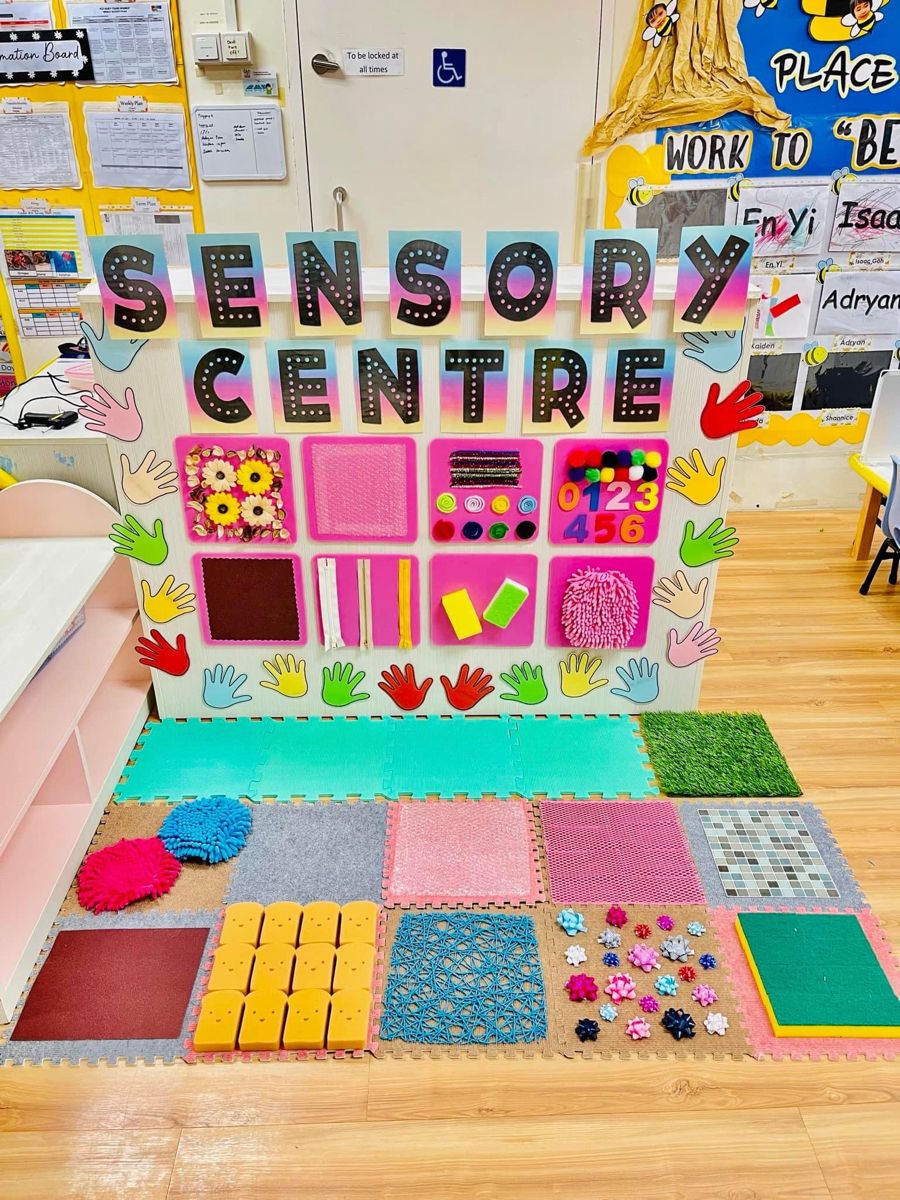
While rides are often the focal point of a theme park visit, the spaces between them are equally important. Quiet rooms, sensory gardens, and low-stimulation dining areas provide respite from the sensory onslaught. These spaces are not just retreats; they are essential components of the park’s design, acknowledging that not every guest thrives in a high-energy environment. Some parks even offer “sensory bags” equipped with noise-canceling headphones, fidget toys, and weighted lap pads to help children self-regulate.
The inclusion of these spaces reflects a growing recognition that neurodiversity is not a limitation but a variation in human experience. By designing environments that cater to a spectrum of sensory needs, theme parks can become inclusive spaces where every child, regardless of their neurology, can partake in the magic of play. This shift in perspective is not just beneficial for autistic children but enriches the experience for all visitors, fostering a culture of empathy and understanding.
The Deeper Fascination: Why Theme Parks Captivate Autistic Minds
There is something inherently compelling about theme parks for autistic children. The repetitive motion of rides, the predictable patterns of attractions, and the clear cause-and-effect relationships (e.g., pressing a button to start a ride) provide a sense of order in an otherwise chaotic world. For children who may struggle with social nuances or abstract concepts, the concrete, tangible nature of theme parks offers a safe space to explore and understand the world around them.
Moreover, the immersive environments of theme parks can serve as a form of escapism. The carefully crafted themed lands—whether it’s a fairy-tale castle or a futuristic city—allow children to step into a world where the rules are clear and the outcomes are controlled. This can be particularly appealing for children who feel overwhelmed by the unpredictability of everyday life. The ability to engage with a structured, rule-bound environment can be both comforting and exhilarating, offering a rare sense of mastery and agency.
Practical Tips for Families
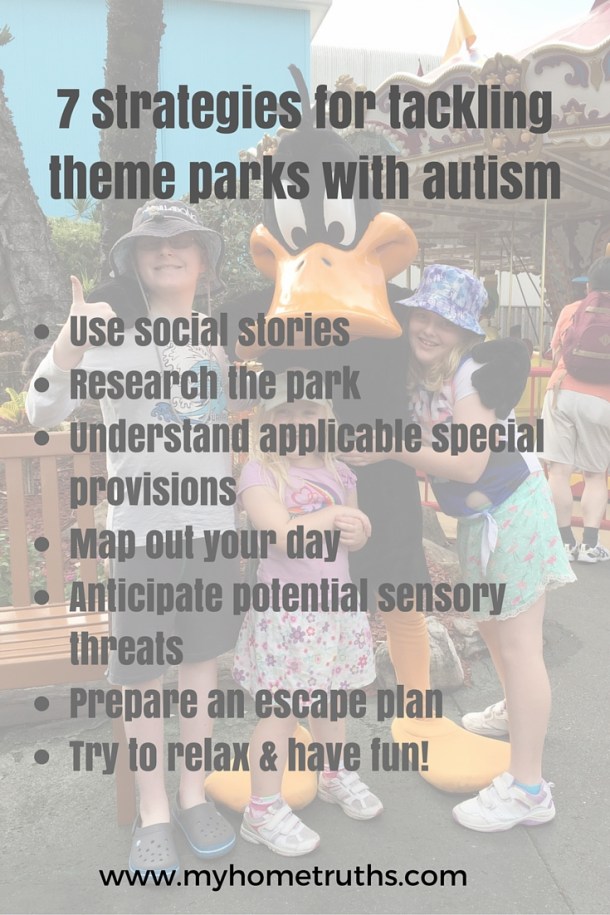
Visiting a theme park with an autistic child requires planning, but the rewards are immeasurable. Start by researching the park’s sensory-friendly offerings, such as designated quiet hours or sensory maps. Arrive early to avoid crowds and give your child time to acclimate. Pack a bag with comfort items, snacks, and sensory tools like noise-canceling headphones or chewable jewelry. Consider using a visual schedule to outline the day’s activities, and don’t hesitate to ask staff for assistance if needed.
It’s also important to set realistic expectations. Not every ride or attraction will be enjoyable, and that’s okay. The goal is not to force an experience but to create opportunities for joy and connection. Celebrate small victories, whether it’s a child willingly stepping onto a gentle ride or simply enjoying the sensory experience of a themed area. The memories created in these moments are not just about the rides but about the shared experiences that strengthen family bonds.
The journey through a theme park with an autistic child is a testament to the power of thoughtful design and empathy. It’s a reminder that inclusivity is not about making spaces less stimulating but about creating environments where every child can thrive. Theme parks, with their blend of wonder and structure, offer a unique opportunity to celebrate neurodiversity. By embracing sensory-friendly attractions, families can transform a day of potential stress into a day of shared joy, discovery, and connection. In these moments, the magic of the park is not just in the rides but in the understanding that every child, regardless of their neurology, deserves a place where they can shine.