Cruising the open seas with the wind in your hair and the sun on your face is a dream for many families. Yet, for parents of children with autism, the idea of boarding a massive floating city with its cacophony of engines, crowds, and unpredictable routines can feel more like a logistical nightmare than a vacation. The truth is, autism and cruises don’t always seem like a natural pairing—but they can be, with the right preparation and mindset. The key lies not in avoiding the challenges but in understanding them deeply, anticipating the needs of your child, and transforming what might seem like obstacles into opportunities for growth and connection.
Autism, a neurodevelopmental condition characterized by differences in social interaction, communication, and sensory processing, presents unique considerations when planning any outing, let alone a multi-day voyage. Yet, the cruise industry has made significant strides in recognizing these needs, offering tailored accommodations, sensory-friendly spaces, and trained staff to ensure a smoother experience. The fascination with cruising for families touched by autism often stems from a desire to provide enriching experiences that go beyond the confines of home, where routines are rigid and sensory inputs are controlled. A cruise, with its structured yet dynamic environment, can paradoxically offer both predictability and novelty—two elements that many autistic individuals find both comforting and stimulating.
The Allure of Predictability in an Unpredictable World
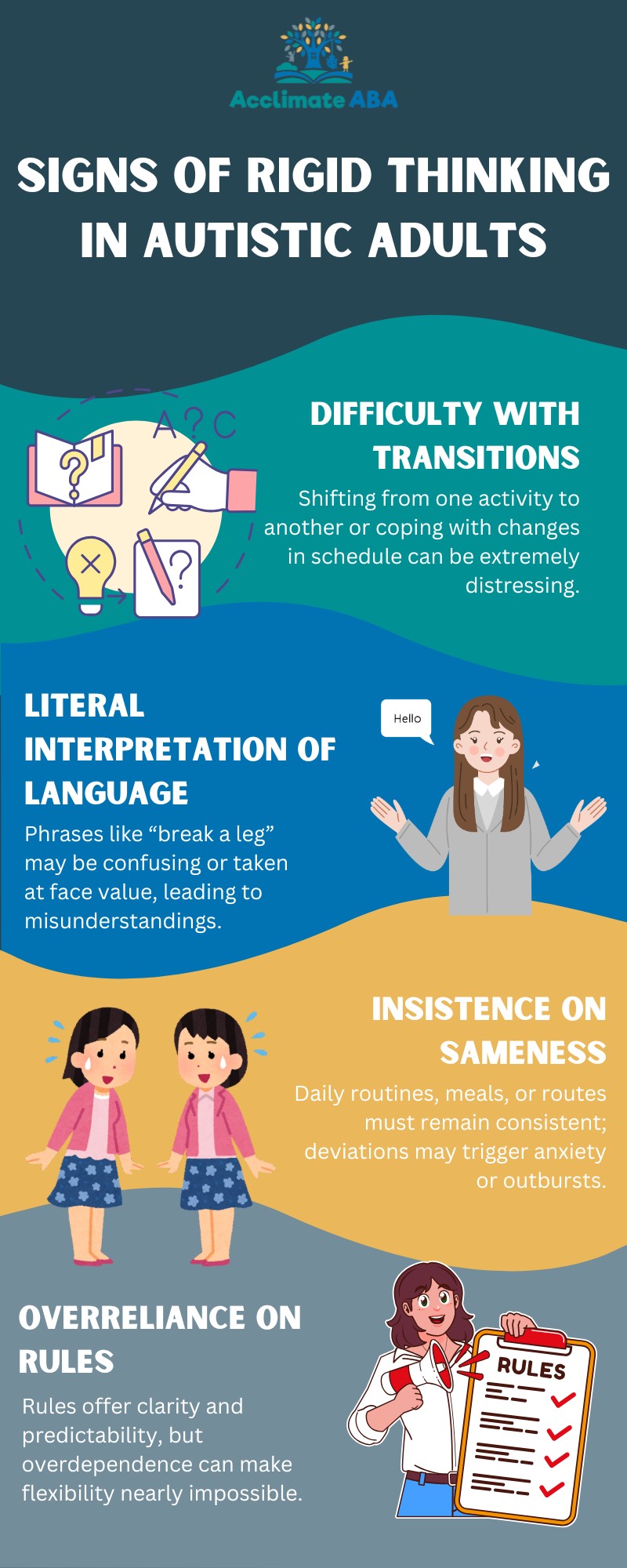
One of the most compelling reasons families consider cruising is the structured nature of the experience. Unlike traditional vacations where every day is a blank slate, a cruise follows a set itinerary: meals at consistent times, entertainment scheduled in advance, and ports of call announced days ahead. For a child with autism, this predictability can be a lifeline. The brain of an autistic individual often thrives on routine, and the cruise’s rigid schedule provides a framework that reduces anxiety. Knowing that breakfast will always be at 8 AM, followed by a mid-morning activity, allows for mental preparation and reduces the stress of uncertainty.
Yet, the appeal of predictability extends beyond mere scheduling. The physical layout of a cruise ship, while initially overwhelming, can become a familiar sanctuary. Cabins, dining rooms, and activity areas become known quantities, places where a child can retreat when overwhelmed. The repetitive motion of the ship—its gentle rocking, the hum of the engines—can also have a calming effect, almost like a weighted blanket for the senses. This paradox of structure within motion is one reason why some autistic individuals find cruising uniquely soothing.
Sensory Overload: Navigating the Sea of Stimuli
Of course, the sensory landscape of a cruise ship is not without its challenges. The blare of announcements, the clatter of dishes in the dining room, the scent of buffet food mingling with chlorine from the pool—these are not subtle stimuli. For a child with heightened sensory sensitivities, the ship can feel like a minefield of overwhelming inputs. The key to managing this lies in preparation and strategic planning. Many cruise lines now offer sensory-friendly guides, outlining the busiest times and areas, so families can avoid them. Early dining reservations, for instance, mean fewer crowds and quieter dining rooms. Pre-booking shows or activities ensures a reserved space, reducing the chaos of last-minute scrambles.
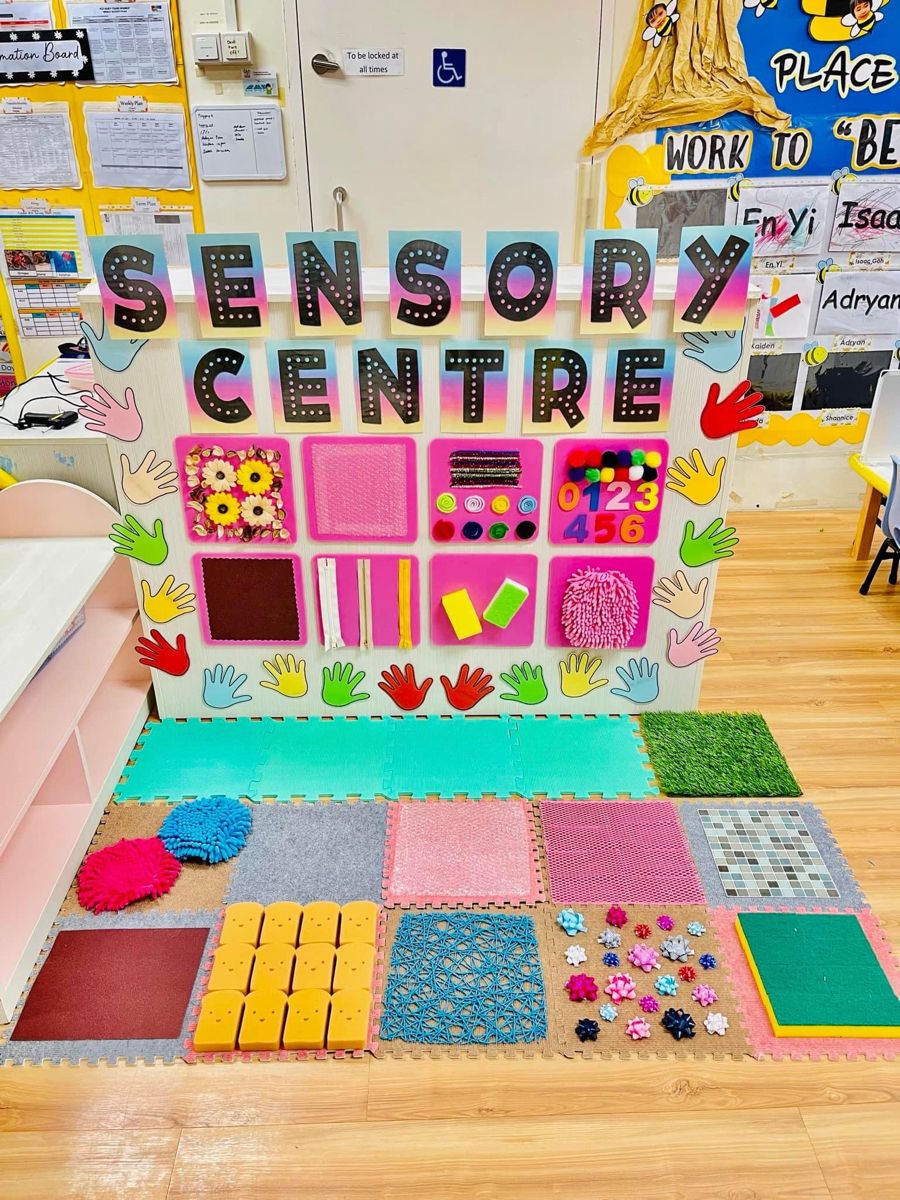
Beyond timing, sensory tools can make a world of difference. Noise-canceling headphones, fidget toys, and weighted lap pads are small but powerful allies. Some families also pack comfort items—a favorite blanket, a stuffed animal, or a familiar scent in a small bottle—to create a portable sense of security. The ship’s crew, when informed in advance, can also be a tremendous resource. Many cruise lines train their staff in autism awareness, ensuring that crew members can offer assistance discreetly, whether it’s guiding a child to a quieter area or providing advance notice before a loud announcement.
Dining with Autism: The Challenge of Choice and Change
Mealtimes on a cruise can be both a joy and a source of stress. The buffet-style dining, with its endless options and social expectations, can overwhelm a child who prefers consistency. The noise of hundreds of conversations, the clatter of silverware, and the pressure to try new foods can turn a simple meal into a battleground. To mitigate this, many families opt for alternative dining arrangements. Specialty restaurants, though often pricier, provide a more controlled environment with a set menu and quieter ambiance. Room service, while an added expense, offers a private escape where a child can eat in peace, away from the sensory onslaught of the main dining room.
For picky eaters, the challenge isn’t just the environment but the sheer variety of unfamiliar foods. Cruise lines are increasingly accommodating, offering gluten-free, dairy-free, or allergy-friendly menus upon request. Some even provide kid-friendly options that align with common preferences, like plain pasta or chicken tenders. The key is to communicate dietary needs in advance, ensuring that the ship’s staff is prepared to meet them. Bringing along a few favorite snacks can also provide a safety net, ensuring that hunger doesn’t escalate into meltdowns.
Port Days: Balancing Adventure and Comfort
The allure of exploring new destinations is a major draw for cruising, but for families with autistic children, port days can be daunting. Crowded docks, unfamiliar languages, and the pressure to see and do everything can quickly become overwhelming. The solution lies in pacing and prioritization. Rather than trying to cram in multiple activities, families can focus on one or two key experiences. A quiet beach with minimal crowds, a leisurely stroll through a local park, or a visit to a familiar chain restaurant can provide the novelty of travel without the sensory overload.
Some cruise lines offer shore excursions specifically designed for families with special needs, such as private tours or visits to less crowded attractions. These can be a game-changer, providing a guided experience that removes the uncertainty of navigating a foreign place independently. For families who prefer to stay on the ship, many ports offer tender services that allow passengers to return to the ship for breaks, ensuring that comfort is always within reach.
The Social Landscape: Managing Expectations and Interactions
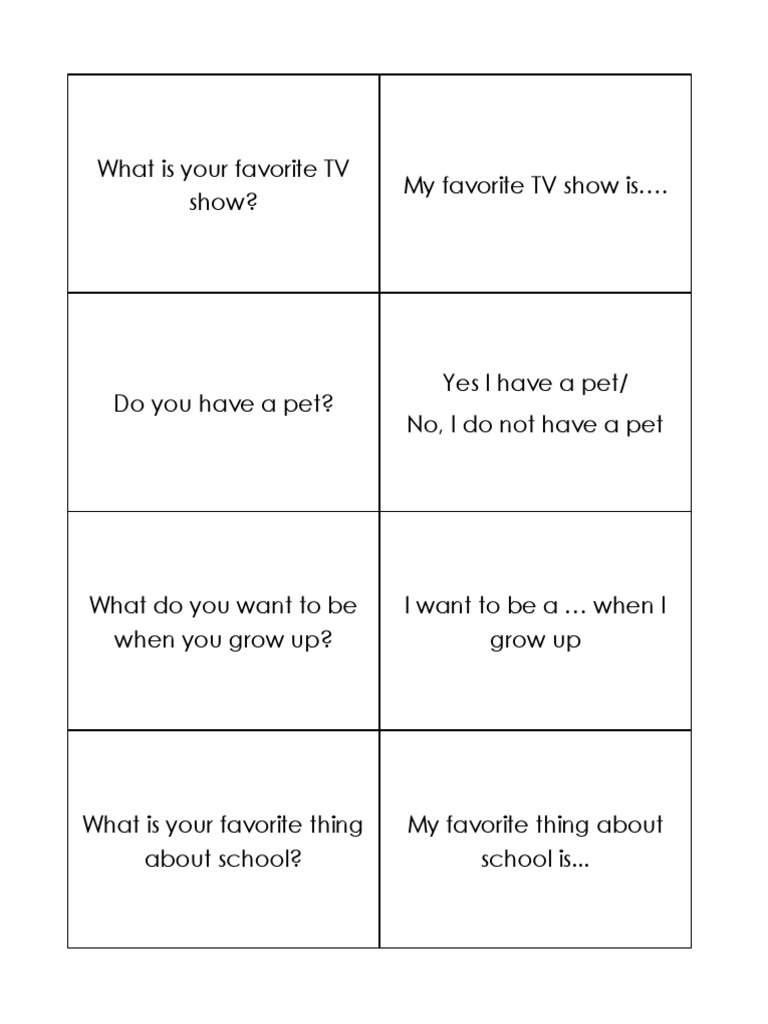
Social interactions on a cruise can be both a source of joy and stress. While some autistic children thrive in the structured activities offered by the ship—such as art classes, game rooms, or movie nights—others may struggle with the unspoken rules of social engagement. The pressure to participate in group activities, to make small talk with strangers, or to navigate the expectations of dining companions can be exhausting. The key is to set realistic expectations and to communicate them clearly to the child. Role-playing social scenarios before the trip, practicing greetings or simple conversations, can help prepare a child for the interactions they may encounter.
For families who prefer to minimize social demands, the ship offers plenty of opportunities for solitude. Quiet decks, library nooks, and even the ship’s medical center (if needed) can serve as retreats. The crew’s understanding and discretion are invaluable here; informing staff of a child’s needs can ensure that they are given space when necessary.
Preparation as the Ultimate Compass
The most critical factor in ensuring a successful cruise experience is preparation. This begins long before boarding, with a thorough review of the ship’s layout, policies, and available accommodations. Many cruise lines offer pre-cruise consultations to discuss specific needs, from dietary restrictions to sensory sensitivities. Packing a detailed itinerary, complete with emergency contacts and medical information, can provide peace of mind. Some families also create social stories or visual schedules to help their child understand what to expect, from the moment they step on the ship to the day they disembark.
Technology can also play a role in preparation. Apps that provide real-time updates on ship activities, wait times for attractions, or even crowd levels in different areas can help families make informed decisions on the fly. Wearable devices, like GPS trackers, can offer an added layer of security, ensuring that a child who wanders can be located quickly.
The Deeper Reasons for the Fascination
Beyond the practicalities, there’s a deeper reason why cruising holds such fascination for families touched by autism. It’s the promise of shared experiences, of creating memories that go beyond the ordinary. A cruise offers a rare blend of adventure and comfort, of novelty and routine, that can be both exhilarating and grounding. For a child who often feels out of sync with the world, the ship becomes a microcosm of controlled chaos—a place where they can explore, adapt, and ultimately, thrive.
The sea, with its endless horizon, also symbolizes possibility. It’s a reminder that the world is vast, but not insurmountable. With the right tools and mindset, even the most daunting challenges can be navigated. And perhaps that’s the true allure of cruising for families with autistic children: the chance to prove that the world, with all its unpredictability, can be a place of wonder rather than fear.
The journey begins not with the boarding of the ship, but with the quiet courage of preparation. And when the anchor lifts, and the ship glides into the open water, it’s not just the destination that matters—it’s the voyage itself, with all its imperfections and triumphs, that becomes the story worth telling.