Traveling by train can be a transformative experience—one that unfolds like a story, where each station is a chapter and the rhythm of the tracks sets the tempo. For individuals on the autism spectrum, however, the journey is often accompanied by a symphony of sensory overload, unpredictable routines, and the daunting unpredictability of crowded spaces. Yet, with thoughtful preparation and a shift in perspective, train travel can become not just manageable, but a source of empowerment and even joy. This guide explores how to reframe the challenges of long-distance train travel into opportunities for growth, connection, and serene exploration.
The Hidden Struggles of Train Travel for Autistic Individuals
Boarding a train is rarely a simple act of movement; it’s a convergence of sensory stimuli, social expectations, and environmental shifts. The cacophony of announcements, the scent of stale coffee and disinfectant, the tactile discomfort of unfamiliar seating—each element can feel like an assault on the nervous system. For autistic travelers, the lack of control over these variables can trigger anxiety, overwhelm, and even meltdowns. Yet, these struggles are not insurmountable. They are, in fact, the very obstacles that can be transformed into stepping stones toward greater resilience and self-advocacy.
Consider the case of a young adult who once dreaded train journeys due to the unpredictability of seatmates and the echoing noise of the carriage. Through gradual exposure and the use of noise-canceling headphones, they learned to navigate the sensory landscape of travel. Today, they view train trips as a chance to observe the world from a safe distance, to people-watch without pressure, and to reclaim agency over their environment. The key lies not in eliminating discomfort, but in equipping oneself with tools to manage it.
Preparation as a Pillar of Peace
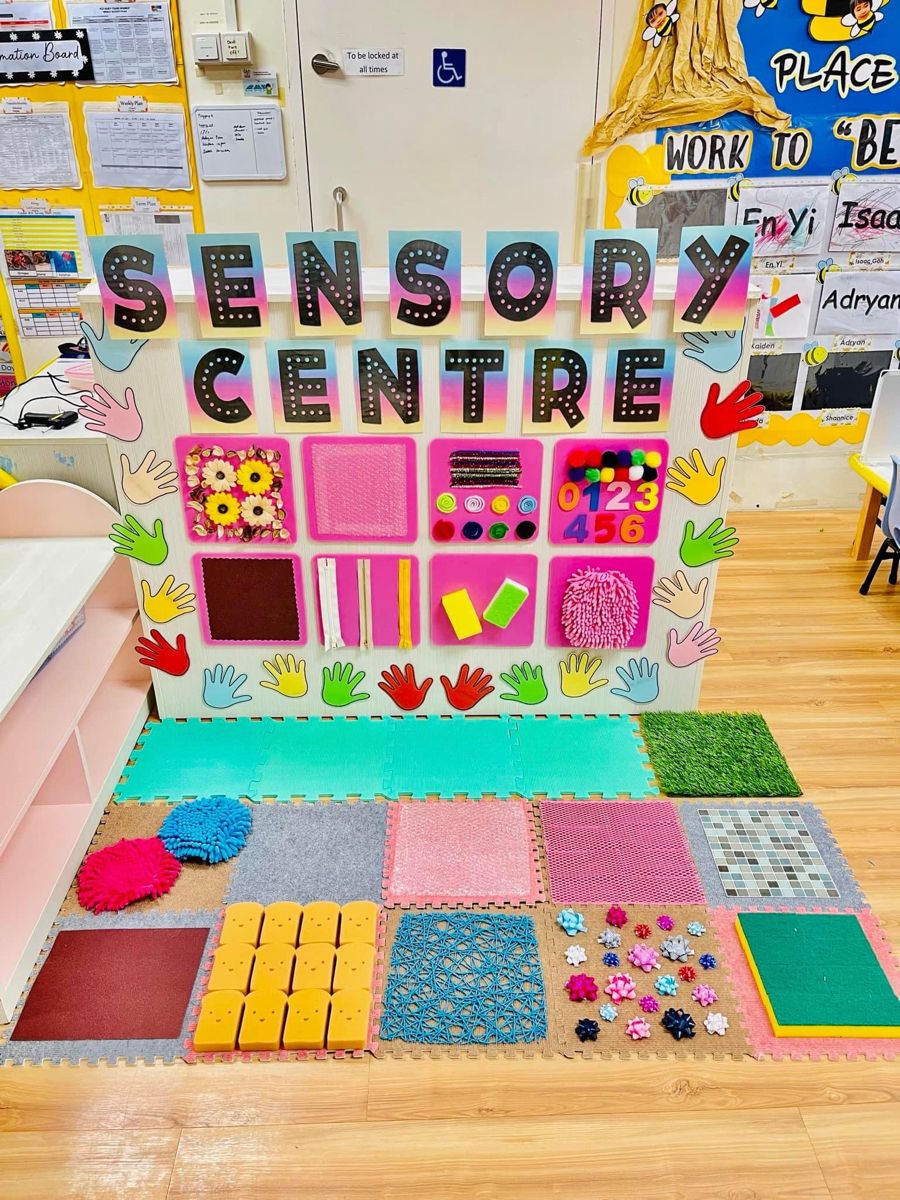
Success in train travel begins long before the departure board lights up with your platform number. Preparation is the silent architect of calm, the unseen force that turns chaos into order. Start by researching the train’s layout—familiarize yourself with seating configurations, quiet zones, and accessible carriages. Many rail services offer virtual tours or detailed diagrams, allowing you to mentally rehearse your journey. Pack a sensory toolkit: weighted blankets, textured fidgets, or even a small aromatherapy rollerball to ground yourself in moments of distress.
Timing is another critical factor. Opt for off-peak hours when carriages are less crowded, and consider booking a seat in advance to secure a familiar spot. If possible, request a seat near the quiet end of the train or in a compartment where you can control the environment. For those who thrive on routine, practice the journey beforehand—visit the station, time your walk to the platform, and even simulate boarding to reduce uncertainty. The goal is not perfection, but predictability; not control, but confidence.
The Art of Sensory Stewardship
Trains are sensory playgrounds, and for the uninitiated, they can feel like a minefield. Yet, with mindful stewardship, these stimuli can be curated into a tolerable, even enjoyable, experience. Noise-dampening headphones are a traveler’s best ally, but they are not the only tool. Sunglasses can shield against harsh fluorescent lighting, while a soft scarf or hoodie can create a personal cocoon. Consider the power of taste and smell: pack familiar snacks or a favorite beverage to anchor yourself in comfort. The goal is not to shut out the world, but to curate your interaction with it.
For those who find movement soothing, the gentle rocking of the train can be a meditative experience. The rhythmic clatter of wheels on tracks becomes a lullaby, a reminder that you are both stationary and in motion—a paradox that can ground the most anxious of minds. Others may find solace in the repetitive motion of a fidget toy, the tactile feedback grounding them in the present. The trick is to experiment, to find what works for you, and to carry these tools with pride.

Navigating Social Terrains with Grace
Human interaction on a train is often unavoidable, yet it doesn’t have to be a source of stress. The key lies in setting boundaries and communicating needs without apology. A simple, “I’m enjoying some quiet time today,” can preempt unwanted conversation. For those who struggle with eye contact or small talk, a book, tablet, or noise-canceling headphones serve as social shields. Remember, you are not obligated to engage—your comfort is the priority.
For travelers who crave connection, trains offer a unique opportunity to meet fellow passengers on your own terms. A shared smile, a nod of acknowledgment, or even a brief exchange about the scenery can turn a solitary journey into a moment of human connection. The trick is to strike a balance between openness and self-preservation, to engage when you feel ready, and to retreat when you need to.
Transforming Anxiety into Anticipation
The narrative of train travel for autistic individuals is often framed in terms of challenges, but what if we reframed it as a journey of discovery? Each trip becomes a chance to test your limits, to prove to yourself that you are capable of more than you thought. The first time you navigate a transfer without panic, the first time you arrive at your destination feeling proud—these are not small victories. They are milestones in a larger story of resilience and growth.
Consider the traveler who once avoided trains altogether, who saw them as a source of dread. With each journey, their confidence grew. They learned to anticipate the rhythm of the trip, to recognize the signs of sensory overload before they became overwhelming, and to advocate for their needs without shame. Today, they look forward to train travel as a chance to explore new places, to meet new people, and to prove to themselves that they are stronger than their fears.
Practical Strategies for a Smoother Journey
To turn theory into practice, here are actionable strategies for a smoother train experience:
- Plan for Transfers: If your journey involves changing trains, research the station layouts in advance. Identify quiet areas, restrooms, and accessible routes to minimize stress.
- Pack a Comfort Kit: Include items like noise-canceling headphones, a favorite snack, a water bottle, and a comfort object. Keep this kit within easy reach.
- Use Visual Aids: Create a social story or visual schedule to outline the journey. This can help reduce anxiety by making the trip feel more predictable.
- Communicate with Staff: If possible, inform train staff about your needs. Many rail services are trained to assist passengers with disabilities, including autism.
- Practice Self-Advocacy: If a situation becomes overwhelming, don’t hesitate to ask for help. Whether it’s moving to a quieter carriage or taking a break in a designated area, your needs matter.
The Ripple Effect of Confident Travel
The impact of successful train travel extends far beyond the journey itself. Each trip builds confidence, not just in navigating trains, but in navigating the world. The skills learned—self-advocacy, sensory management, and resilience—become tools for life. They ripple outward, influencing other areas of independence, from grocery shopping to social outings. Train travel becomes more than a mode of transport; it becomes a metaphor for the journey of life itself.
For parents and caregivers, witnessing an autistic loved one thrive on a train trip is a testament to their support and encouragement. It’s a reminder that with the right tools and mindset, the world is not a place to fear, but a place to explore. For educators and therapists, train travel can be a powerful tool for teaching life skills, from time management to emotional regulation. And for the traveler themselves, it’s a chance to rewrite their story, to move from “I can’t” to “I did.”
The tracks stretch far into the horizon, and with each journey, you’re not just moving from one place to another—you’re moving toward a future where travel is not a source of stress, but a source of strength. The train doesn’t just carry you; it carries your potential, your growth, and your quiet triumphs. All you have to do is take the first step.