Thanksgiving is often painted as a tableau of warmth, laughter, and togetherness—a day when families gather around a table groaning under the weight of tradition. Yet, for many families navigating autism, the holiday can feel less like a celebration and more like a high-stakes social experiment. The clash between societal expectations and the unique sensory and emotional needs of autistic individuals can turn what should be a joyous occasion into a source of stress. But why does this tension exist? And how can families reframe Thanksgiving to honor both tradition and individuality?
The answer lies not in dismissing the challenges but in understanding the deeper currents beneath them. Autism is not a monolith; it is a spectrum of experiences, each with its own rhythms and sensitivities. For some, the cacophony of overlapping conversations, the clatter of dishes, and the scent of roasted turkey can feel overwhelming. For others, the unspoken rules of social interaction—when to speak, how to respond, what to wear—can be a minefield. These aren’t mere preferences; they are fundamental differences in how the world is perceived and processed. Recognizing this is the first step toward transforming Thanksgiving from a potential minefield into a space of connection.
The Sensory Overload: When Tradition Feels Like an Onslaught
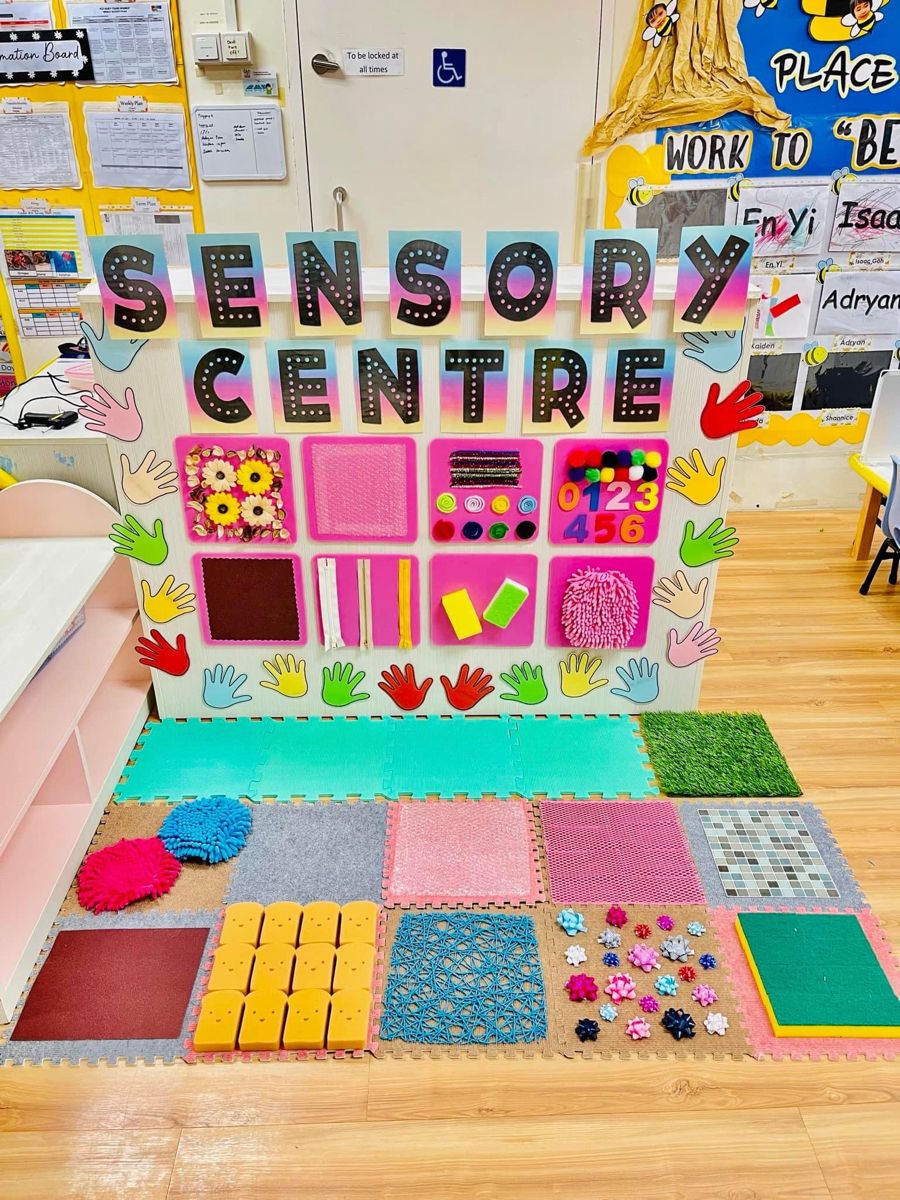
Imagine walking into a room where every sound is amplified, every light flickers like a strobe, and the air is thick with unfamiliar scents. This is the reality for many autistic individuals during Thanksgiving gatherings. The holiday’s sensory landscape—bright decorations, crowded rooms, the texture of certain foods—can feel like an assault on the senses. For those with sensory processing differences, even the anticipation of these stimuli can trigger anxiety long before the first guest arrives.
Consider the humble turkey, a centerpiece of Thanksgiving. To an autistic child, the smell might be overpowering, the texture unappealing, or the sight of it still on the table unsettling. The same goes for side dishes: the creamy smoothness of mashed potatoes, the crunch of green beans, the sticky sweetness of cranberry sauce. These aren’t just foods; they are sensory experiences, and they can dictate whether a child (or adult) feels safe or overwhelmed. The key is to approach these challenges with curiosity rather than judgment. What feels like a minor inconvenience to one person might be a significant barrier to another. By observing and adapting, families can create a more inclusive environment without sacrificing the essence of the holiday.
The Social Script: Decoding Unwritten Rules
Thanksgiving is steeped in social rituals—from the obligatory small talk to the post-meal recitation of gratitude. For autistic individuals, these rituals can feel like a foreign language, one with no clear translation. The pressure to engage in eye contact, to respond appropriately to questions, or to participate in group activities can be exhausting. It’s not that they don’t want to connect; it’s that the script feels rigid, arbitrary, and often inaccessible.
Take the tradition of going around the table to share what you’re thankful for. For someone who struggles with verbal expression or social timing, this can feel like a performance they weren’t prepared for. The fear of stumbling over words or being judged for a response that doesn’t fit the moment can turn a simple act of gratitude into a source of dread. The solution isn’t to eliminate these traditions but to reimagine them. Perhaps gratitude can be expressed in writing, through art, or in a private moment with a trusted family member. The goal isn’t to force conformity but to create space for authentic connection.
Preparation: The Unsung Hero of Stress Reduction
One of the most powerful tools for navigating Thanksgiving with autism is preparation. The unknown is often the greatest source of anxiety, and holidays are rife with unpredictability. A simple strategy—like visiting the host’s home beforehand to scope out the layout, or practicing conversation topics with a sibling—can make a world-changing difference. Preparation isn’t about controlling every variable; it’s about reducing the mental load so that the day feels manageable rather than overwhelming.
For families with autistic children, this might mean creating a visual schedule of the day’s events, complete with photos or drawings. It could involve role-playing social scenarios or discussing potential triggers in advance. For autistic adults, it might mean setting boundaries—arriving late, leaving early, or designating a quiet space to retreat to. The goal is to shift the focus from surviving the day to thriving within it, even if “thriving” looks different from what tradition dictates.
Alternative Traditions: Redefining What Thanksgiving Can Be
Tradition is often seen as sacrosanct, but the truth is that it is fluid—a living thing that evolves with the people who practice it. For families navigating autism, redefining Thanksgiving might mean creating new traditions that honor both the holiday’s spirit and individual needs. Perhaps it’s a potluck where everyone brings a dish they’re comfortable with, or a game night that emphasizes low-pressure interaction. Maybe it’s a quiet walk after the meal or a movie marathon that provides a familiar escape from social demands.
The beauty of alternative traditions is that they don’t require perfection. A Thanksgiving that includes a sensory-friendly meal, a designated quiet room, or even a separate activity for those who need it is still a Thanksgiving worth celebrating. The goal isn’t to replicate the Norman Rockwell ideal but to create a day that feels meaningful and safe for everyone involved. This might mean serving familiar foods, allowing for flexible timing, or even hosting a smaller gathering to reduce sensory overload. The key is to prioritize connection over convention.
The Role of the Host: Creating a Welcoming Environment
If you’re the one hosting Thanksgiving, your role is pivotal in setting the tone. A welcoming environment isn’t about perfection; it’s about intention. Start by asking guests in advance about their needs—whether it’s a quiet space, a specific food preference, or a heads-up about social expectations. This simple act of inclusion can make a world of difference. During the gathering, be mindful of sensory triggers: dimming bright lights, offering noise-canceling headphones, or providing a separate area for those who need a break.
It’s also important to model acceptance. If an autistic guest needs to stim, stim. If they prefer to eat separately or engage in a parallel activity, that’s okay. The goal isn’t to force assimilation but to create a space where everyone feels seen and respected. This might mean adjusting your own expectations—perhaps the “perfect” Thanksgiving looks less like a Pinterest-worthy spread and more like a day where everyone feels safe and valued.
Gratitude Beyond the Table: Rethinking What We Celebrate
At its core, Thanksgiving is about gratitude—a recognition of the people and things that bring meaning to our lives. But gratitude isn’t confined to a single day or a single expression. It can be found in the quiet moments, the unexpected connections, and the small acts of kindness that often go unnoticed. For families navigating autism, this might mean redefining gratitude in a way that honors individual experiences. Perhaps it’s gratitude for the resilience of a child who faced a challenging day, or for the patience of a parent who adapted their plans to meet their child’s needs.
Gratitude, in this context, isn’t about what’s on the table or who’s sitting where. It’s about the relationships that endure, the love that persists, and the understanding that grows when we make space for difference. This Thanksgiving, let go of the pressure to perform perfection. Instead, focus on what truly matters: the people you’re with and the moments you share, however imperfect they may be.
Thanksgiving doesn’t have to be a battleground of expectations. It can be a day of connection, not conformity—a celebration of what makes each person unique, not what forces them into a mold. By approaching the holiday with empathy, preparation, and a willingness to adapt, families can create a Thanksgiving that honors both tradition and individuality. In doing so, they might just discover that the most meaningful traditions aren’t the ones we inherit, but the ones we create together.