For many children, birthdays are a whirlwind of glittering balloons, towering cakes, and the infectious laughter of friends. Yet for a child on the autism spectrum, the same celebration can feel like a sensory earthquake—overwhelming lights, unpredictable noise, and the pressure to perform social rituals that don’t come naturally. Parents often observe this tension: a child who adores the idea of a birthday but becomes visibly distressed when the party begins. This paradox isn’t merely a matter of preference; it reflects a deeper neurological reality where predictability, routine, and sensory comfort are not just desirable—they are essential.
Planning a stress-free birthday for a child with autism isn’t about minimizing joy; it’s about reimagining celebration through the lens of their unique sensory and emotional landscape. It requires a shift from traditional party paradigms to a more intentional, flexible approach—one that honors the child’s needs while still creating moments of genuine connection and delight. The key lies in understanding that what appears to be resistance is often a form of self-preservation, a way of navigating a world that can feel chaotic and unpredictable. By designing a party that prioritizes structure, sensory regulation, and personal agency, parents can transform a potentially overwhelming experience into a cherished milestone.
The Sensory Minefield: Why Birthdays Can Feel Like an Assault
Imagine walking into a room where every surface hums with unseen energy. The air smells faintly of synthetic sugar. Flashing lights strobe in irregular patterns, and a cacophony of voices rises and falls unpredictably. For a child with autism, this isn’t an abstract scenario—it’s a birthday party. Sensory processing differences mean that what neurotypical children filter out as background noise, a child with autism may experience as a relentless assault on their nervous system. The texture of a party hat, the brightness of a piñata, even the anticipation of a song can trigger a cascade of discomfort that escalates into full-blown distress.
This isn’t a matter of overreacting; it’s a matter of neurology. The brain of a child with autism often processes sensory input differently, leading to heightened sensitivity or, conversely, a need for more intense sensory input to feel regulated. A sudden loud noise might feel like a physical blow, while the absence of expected sensory cues can leave a child feeling unmoored. The result? A party that was meant to be a joyous occasion becomes a minefield of triggers. Recognizing this isn’t about pathologizing the child’s experience; it’s about acknowledging that their perception of the world is valid and worthy of consideration.
Designing the Blueprint: Structure as a Sanctuary
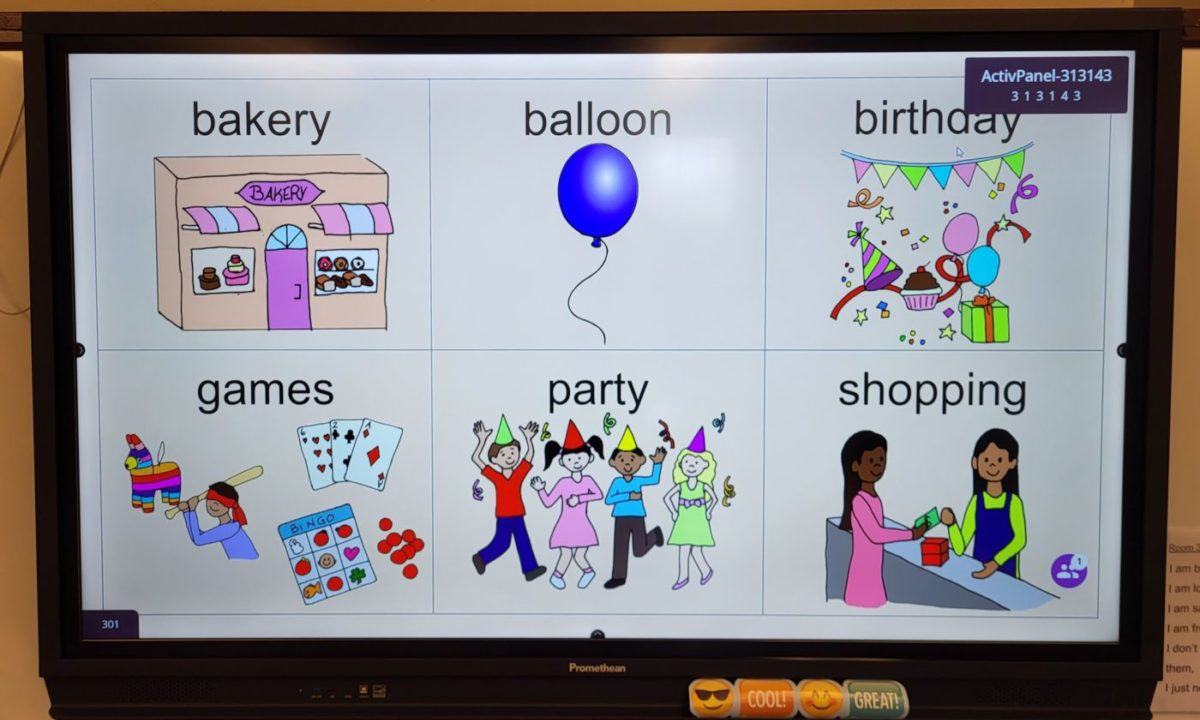
Children with autism thrive in environments where expectations are clear, transitions are gentle, and surprises are minimized. A birthday party, by its very nature, disrupts routine—unwrapping gifts, singing songs, blowing out candles—all of which can feel like a series of unpredictable events. The solution? Create a visual schedule, a roadmap of the party that the child can reference throughout the day. This isn’t just a list; it’s a lifeline. Use pictures, icons, or written words to outline each activity, from arrival to cake cutting, and allow the child to check off each step as it happens. This provides a sense of control and predictability, two pillars of emotional security.
Timing is equally crucial. Avoid scheduling the party during times when the child is typically overstimulated or fatigued, such as after school or before bedtime. Instead, opt for a time when they are naturally more alert and calm. Keep the duration short—sometimes as little as 30 to 60 minutes is enough to create a meaningful experience without pushing the child past their threshold. If the party is at home, designate a quiet room where the child can retreat if they feel overwhelmed. This isn’t a punishment; it’s a necessary reset, a way to honor their need for solitude without isolating them from the celebration entirely.

Sensory Stewardship: Crafting an Oasis of Comfort
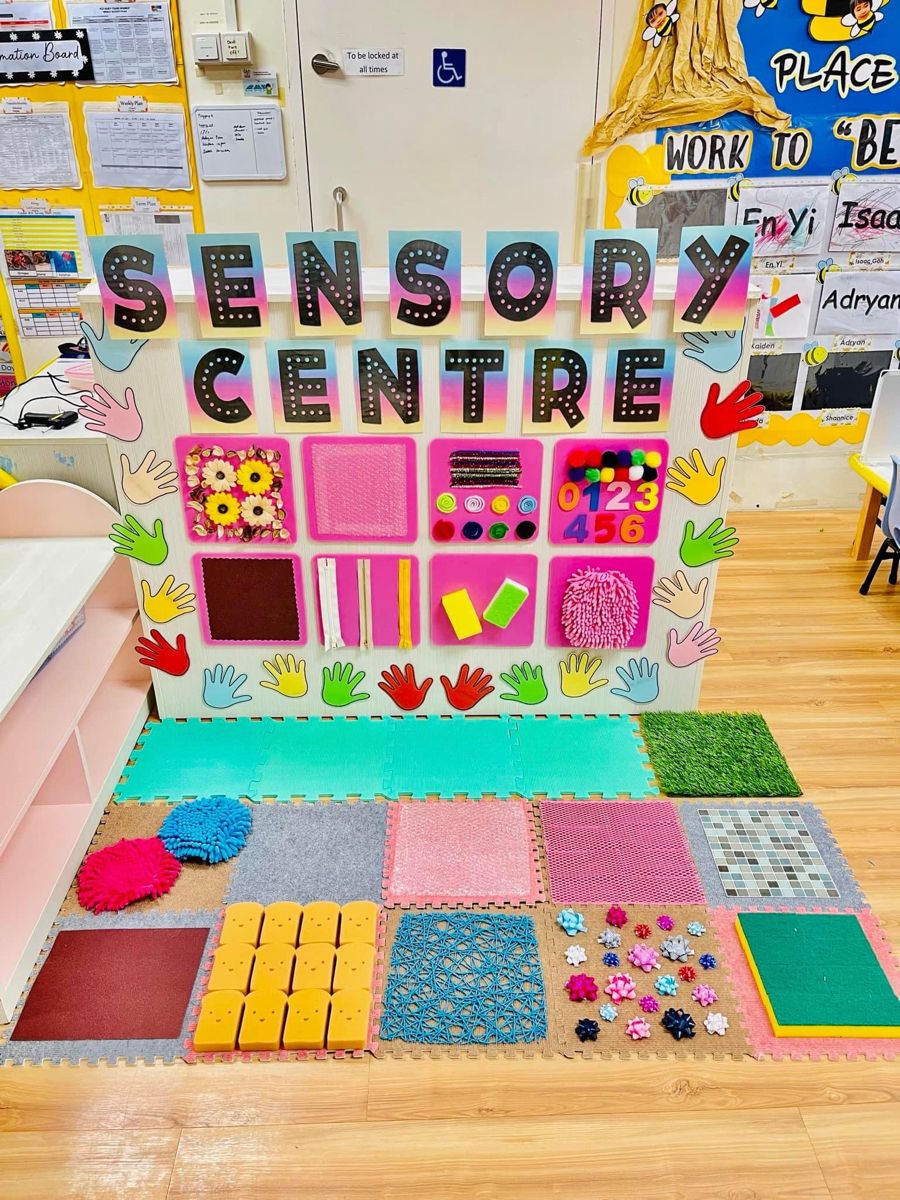
The sensory environment of a birthday party can make or break the experience for a child with autism. Start by controlling the variables that are within your power: lighting, sound, and tactile stimuli. Opt for soft, warm lighting instead of harsh fluorescents or flashing neon. If decorations are necessary, choose matte finishes over glossy ones, as reflections can be distracting or even painful. Consider using noise-canceling headphones or earplugs for the child, especially if the party will include singing or loud games. These aren’t signs of defeat; they’re tools for empowerment, allowing the child to participate without feeling overwhelmed.
Food, too, can be a sensory minefield. The texture, smell, and appearance of certain foods can trigger aversion or distress. Offer familiar foods that the child enjoys, and avoid pressuring them to try new things. If the party includes a cake, consider a small, simple design that aligns with their preferences—perhaps a single candle or a favorite character, rather than a towering, intricately decorated confection. The goal isn’t to replicate a magazine-worthy party; it’s to create an experience that feels safe and enjoyable for the child. Remember, the cake is a symbol of celebration, not a test of culinary adventurousness.
The Guest List: Quality Over Quantity
Not all guests are created equal, especially when it comes to a child with autism. A crowded room filled with unfamiliar faces can feel like a social avalanche, leaving the child scrambling for a way to cope. Instead of inviting an entire class or neighborhood, consider a smaller gathering with just a few close friends or family members. Fewer people mean less noise, fewer demands for social interaction, and a greater chance for the child to engage at their own pace. If the child is comfortable, you might introduce a “script” for greetings or goodbyes, providing them with the words to navigate interactions without feeling put on the spot.
It’s also important to prepare guests in advance. Explain to them, in age-appropriate terms, that the child may need space or might not respond to them in the way they expect. Encourage them to focus on shared interests rather than forcing conversation. For example, if the child loves dinosaurs, a guest might bring a dinosaur figurine to show them, creating a natural point of connection. The goal isn’t to turn the party into a social skills training session; it’s to foster an environment where the child feels seen and respected for who they are, not who they’re expected to be.
Alternative Celebrations: Redefining What a Birthday Can Be
Sometimes, the most meaningful birthday isn’t the one with the most guests or the most elaborate decorations—it’s the one that aligns with the child’s interests and comfort level. For a child who loves trains, a birthday might involve a trip to a model train exhibit or a DIY train-themed cake. For a child who adores water play, a backyard slip ‘n slide with a few close friends could be the highlight of the year. The key is to center the celebration around the child’s passions, creating an experience that feels authentic and enjoyable for them.
Another approach is to break the birthday into smaller, manageable moments. Instead of a single, high-energy party, consider a series of low-key activities spread throughout the day. A quiet breakfast with a favorite food, a trip to the park for a special activity, and an evening movie night with a small group of loved ones can create a sense of celebration without the sensory overload. This isn’t about diluting the joy; it’s about spreading it out in a way that feels sustainable and meaningful. After all, a birthday isn’t just a single day—it’s a milestone to be savored in whatever way best suits the child.
The Aftermath: Processing and Reflection
Even the most carefully planned birthday party can leave a child with autism feeling drained or overwhelmed. The days following the celebration might include moments of withdrawal, irritability, or emotional outbursts as the child processes the experience. This isn’t a sign of failure; it’s a natural response to a day that required significant emotional and sensory energy. Provide plenty of downtime for the child to decompress, whether that means quiet play, a favorite activity, or simply time alone in their room. Avoid scheduling demanding tasks or outings immediately after the party, as the child may need time to recharge.
Take time to reflect on what worked and what didn’t. Did the child enjoy the activities? Were there moments of distress that could have been avoided with better preparation? Use these observations to inform future celebrations, adjusting the plan as needed to better suit the child’s evolving needs. Remember, every birthday is a learning experience—not just for the child, but for the adults who love and support them. The goal isn’t perfection; it’s progress, a steady movement toward celebrations that feel joyful, meaningful, and authentically *theirs*.
In the end, a stress-free birthday party for a child with autism isn’t about replicating the picture-perfect scenes from movies or social media. It’s about creating a space where the child feels safe, seen, and celebrated—not in spite of their differences, but because of them. It’s about recognizing that their way of experiencing the world is valid, and that their joy doesn’t have to look like anyone else’s. With patience, creativity, and a willingness to adapt, a birthday can become more than just a date on the calendar; it can be a testament to the unique brilliance of the child at its center.