Have you ever wondered how to kindle the spirit of Hanukkah without inadvertently extinguishing the sensory comfort of a child with autism? The Festival of Lights, with its dazzling menorahs, rhythmic songs, and rich traditions, can be both a source of joy and a minefield of overwhelming stimuli. For families navigating autism, the challenge isn’t just lighting the candles—it’s crafting a celebration that honors both the sacred and the sensory needs of their loved ones. Hanukkah, a holiday steeped in history and warmth, doesn’t have to be a battleground of overstimulation. With thoughtful planning, it can become a beacon of inclusivity, where every child feels seen, heard, and celebrated.
Imagine a Hanukkah where the flicker of candles doesn’t trigger distress, where the clatter of dreidel spins doesn’t feel like a cacophony, and where the aroma of latkes doesn’t overwhelm. This isn’t a distant dream—it’s an achievable reality. Sensory-friendly Hanukkah celebrations are about reimagining tradition through a lens of empathy and adaptability. They invite us to slow down, to listen, and to create moments that resonate with every child’s unique way of experiencing the world. Whether you’re a parent, a caregiver, or an educator, the key lies in balancing the holiday’s vibrant customs with the need for a calm, controlled environment. Let’s explore how to transform Hanukkah into a luminous, accessible experience for all.
The Menorah’s Gentle Glow: Lighting Without Overwhelm
The menorah, the heart of Hanukkah, symbolizes hope and resilience. Yet, for a child with autism, its bright flames and the ritual of lighting can be daunting. The key is to approach this tradition with intentionality. Start by introducing the menorah in a low-stimulation setting, perhaps during a quiet evening when the house is dimly lit. Use a menorah with adjustable brightness or LED candles to control the intensity of the light. This way, the glow becomes a comforting presence rather than a jarring one.
Consider the timing of the candle-lighting ceremony. If your child is sensitive to noise or crowds, opt for a private, intimate moment rather than a large gathering. Explain the ritual in advance using a social story or visual schedule, so they know what to expect. You might even practice with a pretend menorah to ease any anxiety. The goal isn’t to eliminate the magic of the menorah but to make it a gentle, predictable part of the celebration.
Dreidel Dynamics: Spin the Game, Not the Senses
The dreidel, with its spinning top and lively game, is a staple of Hanukkah fun. For children with autism, however, the noise of the dreidel’s clatter or the unpredictability of its spin can be overwhelming. To make the game sensory-friendly, introduce adaptations that soften the experience. Choose a dreidel made of wood or plastic, which produces less noise than metal. Alternatively, use a digital dreidel app that simulates the spin without the auditory assault.
Structure is crucial. Set clear rules and take turns in a controlled manner, ensuring your child knows when it’s their turn to spin. If they struggle with the physical act of spinning, offer a fidget toy or a weighted dreidel to help them engage without frustration. The goal is to preserve the joy of the game while minimizing sensory triggers. By reframing the dreidel as a tool for connection rather than chaos, you turn a potential challenge into a cherished tradition.
The Aroma of Tradition: Latkes Without the Overload
Hanukkah’s culinary delights, particularly latkes, are a sensory experience in themselves—the sizzle of oil, the crispy texture, the pungent aroma of potatoes and onions. For a child with autism, these sensations can be overwhelming. The solution lies in gradual exposure and customization. Start by introducing the ingredients separately, allowing your child to explore the textures and smells in a low-pressure environment. Let them touch the grated potatoes or sniff the onions before they’re cooked.
When it’s time to cook, create a sensory-friendly kitchen space. Use a quiet fan to disperse strong smells or open windows to ventilate the room. If frying latkes feels too intense, consider baking them instead—a gentler method that still delivers the crispy delight. Serve the latkes with familiar dips, like applesauce or sour cream, to ease the transition. The goal isn’t to strip away the sensory richness of Hanukkah’s foods but to make them accessible and enjoyable for every palate.
Music and Movement: Finding the Right Rhythm
Hanukkah songs, with their lively melodies and repetitive lyrics, are a joyous part of the celebration. Yet, for a child with autism, the sudden onset of music or the unpredictability of group singing can be jarring. To make the musical traditions more inclusive, introduce songs gradually and at a comfortable volume. Use visual aids, like lyric sheets or picture cards, to help your child follow along. If group singing feels overwhelming, encourage humming or clapping along to the rhythm instead.
Movement-based activities, like dancing or marching to Hanukkah tunes, can also be adapted. Create a sensory-friendly dance floor with soft lighting and minimal background noise. Offer props, like scarves or ribbons, to help your child engage in the movement without feeling pressured. The goal is to foster a love for the music and rhythm of Hanukkah while respecting each child’s sensory boundaries.
Gift-Giving with Grace: Presents That Delight, Not Distract
The exchange of gifts during Hanukkah is a highlight for many children, but it can also be a source of sensory overload. The anticipation of unwrapping, the crinkle of wrapping paper, the bright colors of the presents—all of these can be overwhelming. To make gift-giving more manageable, opt for gifts that align with your child’s sensory preferences. Choose items with soft textures, muted colors, or familiar sounds. Wrap the gifts in a way that minimizes sensory triggers, perhaps using plain paper or fabric instead of traditional wrapping paper.
Set a calm, predictable routine for gift-giving. Introduce one gift at a time, allowing your child to process each item before moving on to the next. If they struggle with the excitement of the moment, create a quiet space where they can retreat to regroup. The goal isn’t to diminish the joy of giving but to make the experience a source of comfort and delight.
Creating a Sensory-Friendly Hanukkah Space
The environment in which you celebrate Hanukkah plays a significant role in its success. A sensory-friendly space is one that balances tradition with tranquility. Start by decluttering the area where you’ll celebrate, removing any unnecessary visual or auditory distractions. Use soft lighting, like string lights or lamps, to create a warm, inviting atmosphere. Incorporate calming colors, such as blues or greens, to promote relaxation.
Consider the layout of the space. Arrange seating in a way that allows for easy movement and avoids overcrowding. If your child is sensitive to touch, provide soft blankets or cushions to create a cozy, secure environment. The goal is to design a space that feels safe and nurturing, where the magic of Hanukkah can unfold without sensory interference.
The Power of Preparation: Social Stories and Visual Schedules
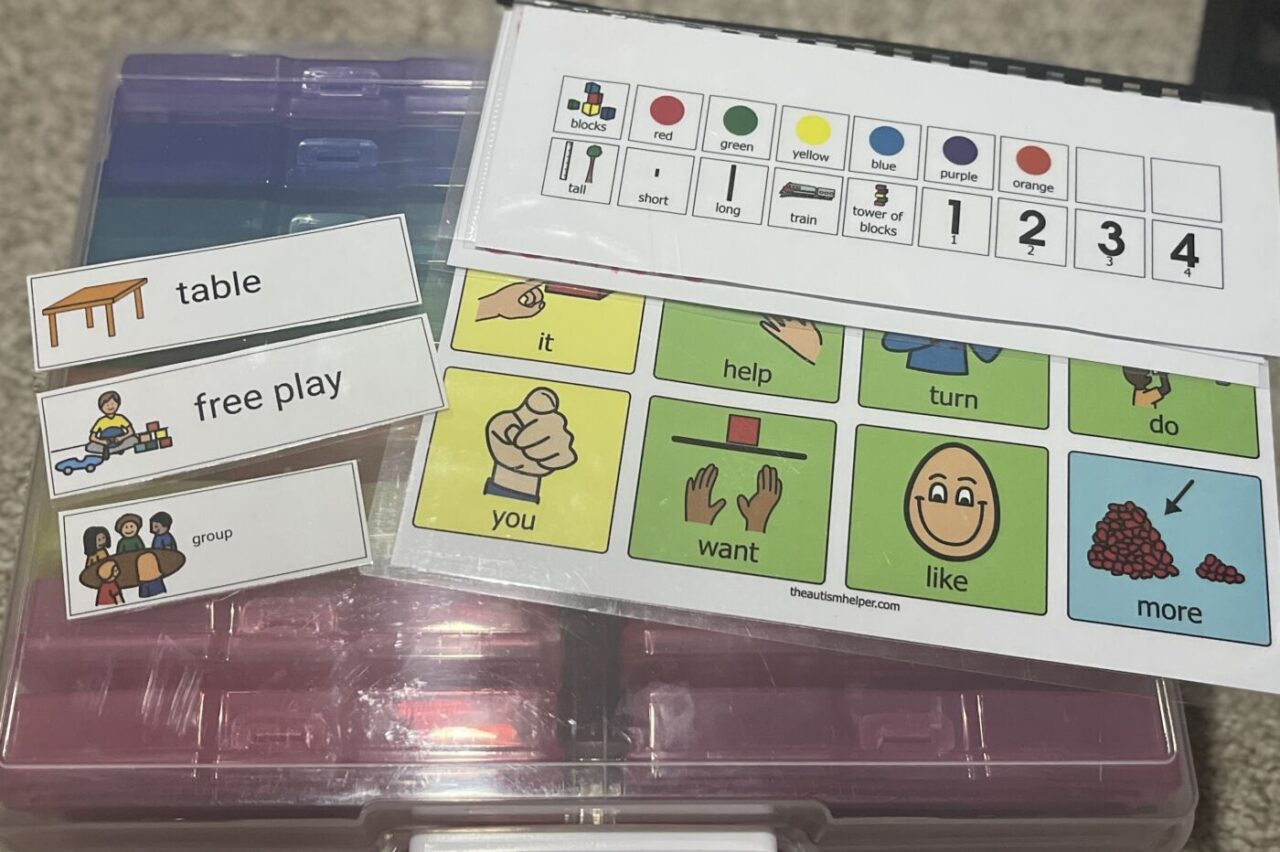
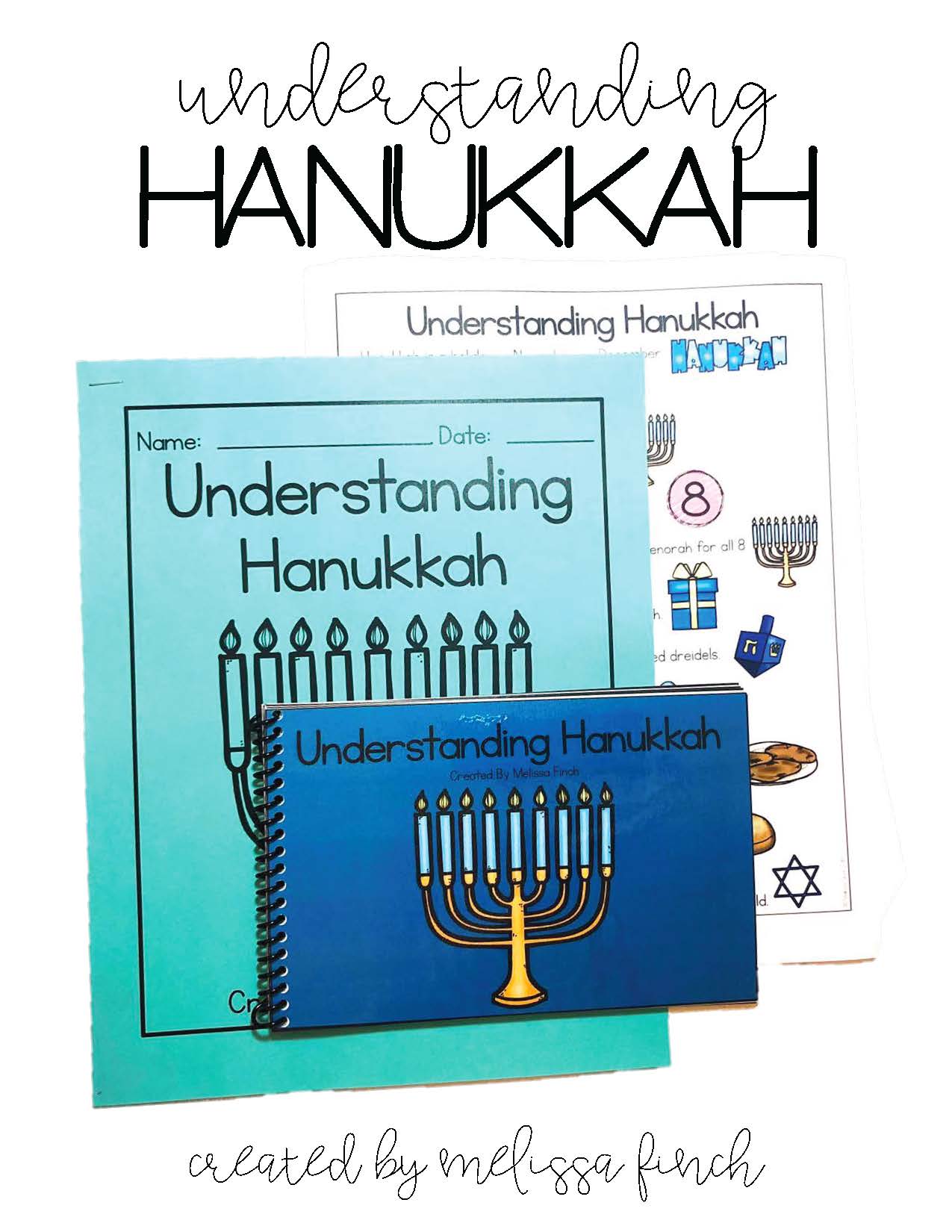
Preparation is the cornerstone of a successful sensory-friendly Hanukkah. Social stories and visual schedules can help your child understand what to expect, reducing anxiety and uncertainty. Create a social story that outlines the key events of the celebration, from lighting the menorah to playing dreidel. Use simple, clear language and include pictures to illustrate each step. Review the story with your child in the days leading up to Hanukkah, so they feel prepared and confident.
A visual schedule can also be invaluable. Break down the celebration into manageable segments, using pictures or symbols to represent each activity. This helps your child anticipate what’s coming next and reduces the stress of unexpected changes. The more you can demystify the celebration, the more enjoyable it will be for everyone.
Hanukkah is a time of light, warmth, and connection—a celebration that transcends the sensory world. For families navigating autism, the challenge lies in adapting these traditions to meet the unique needs of their children. By approaching Hanukkah with empathy, creativity, and intentionality, you can create a celebration that shines brightly for every child. It’s not about changing the holiday’s essence but about making it accessible, joyful, and meaningful for all. As the candles flicker on the menorah, let their glow remind you that inclusivity is the truest form of celebration.