Have you ever wondered why so many autistic individuals seem to thrive in the world of coding? The answer isn’t just about logic or attention to detail—it’s about the way their minds navigate complexity, patterns, and systems. Coding isn’t just a career path for many autistic people; it’s a language they speak fluently, a puzzle they solve with ease, and a canvas where their unique strengths shine. But what makes this field so uniquely suited to their cognitive wiring? And could the very challenges they face in social settings somehow become their greatest assets in a digital landscape?
Imagine stepping into a world where ambiguity is minimized, where rules are explicit, and where repetition isn’t just tolerated—it’s celebrated. For many autistic individuals, this isn’t a hypothetical scenario; it’s the daily reality of coding. The tech industry, with its structured environments and clear objectives, offers a sanctuary where their strengths aren’t just acknowledged but leveraged. But is this synergy merely a coincidence, or is there something deeper at play?
The Allure of Structure: Why Coding Feels Like Home
At its core, coding is a dance of precision. A single misplaced semicolon can disrupt an entire program, much like how a minor social cue might derail an autistic person’s day. This demand for exactitude aligns seamlessly with the autistic preference for order and predictability. Unlike the fluid, often unpredictable nature of human interaction, code operates within a rigid framework—one that rewards consistency and punishes deviation. For someone who thrives on routine and clarity, this environment feels less like a challenge and more like a refuge.
Consider the way an autistic coder approaches a problem. They don’t just see a task; they see a labyrinth of interconnected variables, each with its own role in the grand design. This ability to dissect complexity into manageable components is a hallmark of autistic cognition. It’s the same skill that allows them to hyperfocus on a single task for hours, losing track of time as they unravel a particularly thorny bug. In a field where deep concentration is often the key to breakthroughs, this trait becomes a superpower.
Yet, the appeal of coding extends beyond its structured nature. It’s also about the immediate feedback loop—a concept that can feel elusive in other domains. When an autistic individual writes a line of code, they can test it instantly, receiving a clear response: it works, or it doesn’t. There’s no ambiguity, no second-guessing. This transparency is a rare commodity in a world where social interactions are rife with unspoken rules and subtle cues. In coding, the rules are written in black and white, and the outcomes are binary. It’s a world where autistic individuals can finally breathe easy.
The Pattern-Seeking Mind: Decoding the Unwritten Rules of Tech
Autistic individuals are often described as having a “pattern-seeking” mind—a cognitive style that thrives on identifying and extrapolating from recurring structures. This isn’t just a quirk; it’s a fundamental way of processing the world. In coding, these pattern-seeking tendencies become an invaluable asset. Whether it’s recognizing a recurring algorithmic problem or spotting inefficiencies in a piece of software, autistic coders excel at seeing the bigger picture through the lens of repetition.
Take, for example, the way an autistic developer might approach a new programming language. Instead of getting bogged down by the syntax or the nuances of human interaction required to learn it, they focus on the underlying logic. They treat the language like a puzzle, breaking it down into its constituent parts and reassembling them in their mind. This methodical approach isn’t just efficient; it’s often more effective than the trial-and-error methods favored by neurotypical learners.
But the benefits of pattern recognition in coding go beyond individual performance. Autistic coders often bring a unique perspective to problem-solving, one that challenges conventional wisdom. Their ability to spot inconsistencies or inefficiencies that others might overlook can lead to innovative solutions. In a field where innovation is currency, this kind of out-of-the-box thinking is gold. It’s no wonder that many autistic individuals find themselves drawn to roles in debugging, where their knack for spotting errors becomes a sought-after skill.
Of course, this isn’t to say that autistic coders are infallible. Like anyone else, they face challenges—some of which are exacerbated by the very traits that make them excel in tech. But these challenges, when understood and accommodated, can become opportunities for growth rather than barriers to success.
The Double-Edged Sword: Sensory Overload in a Digital World
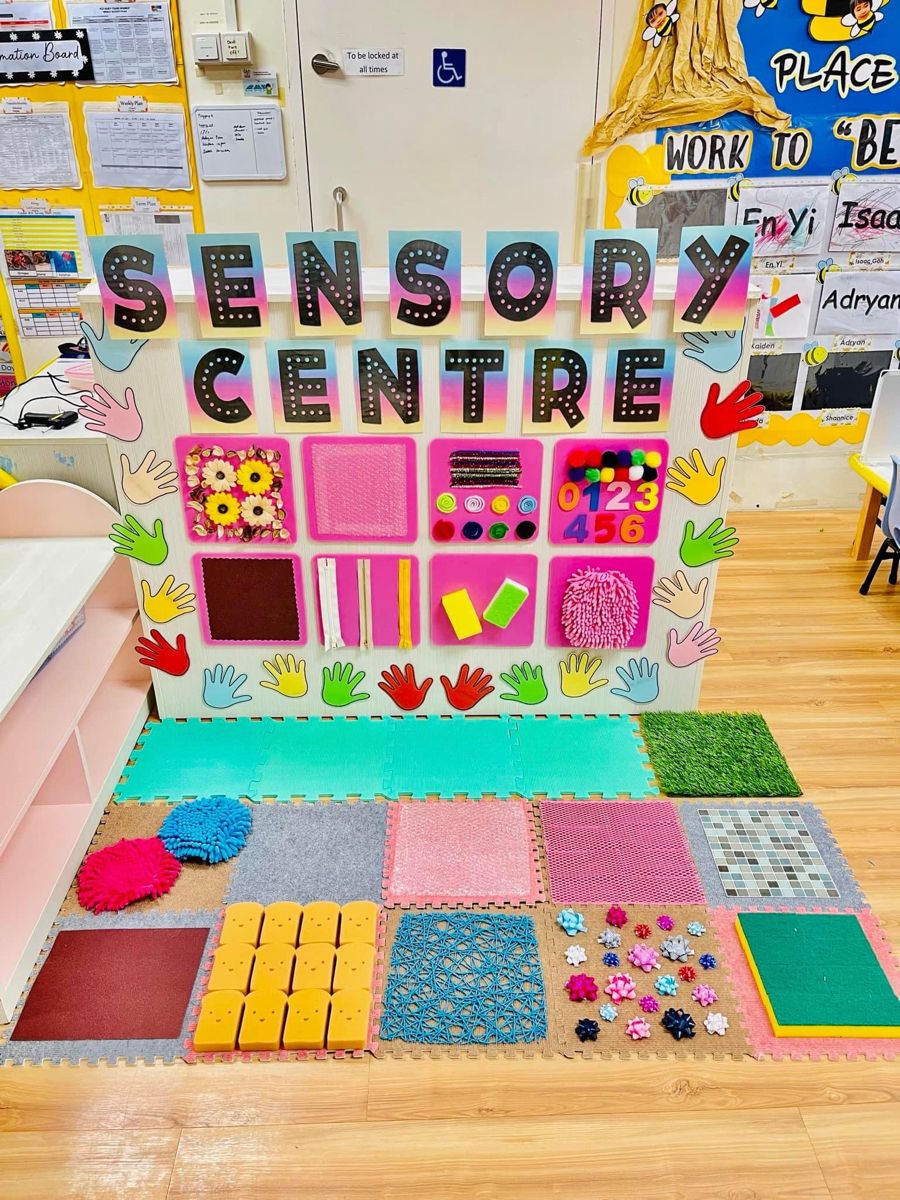
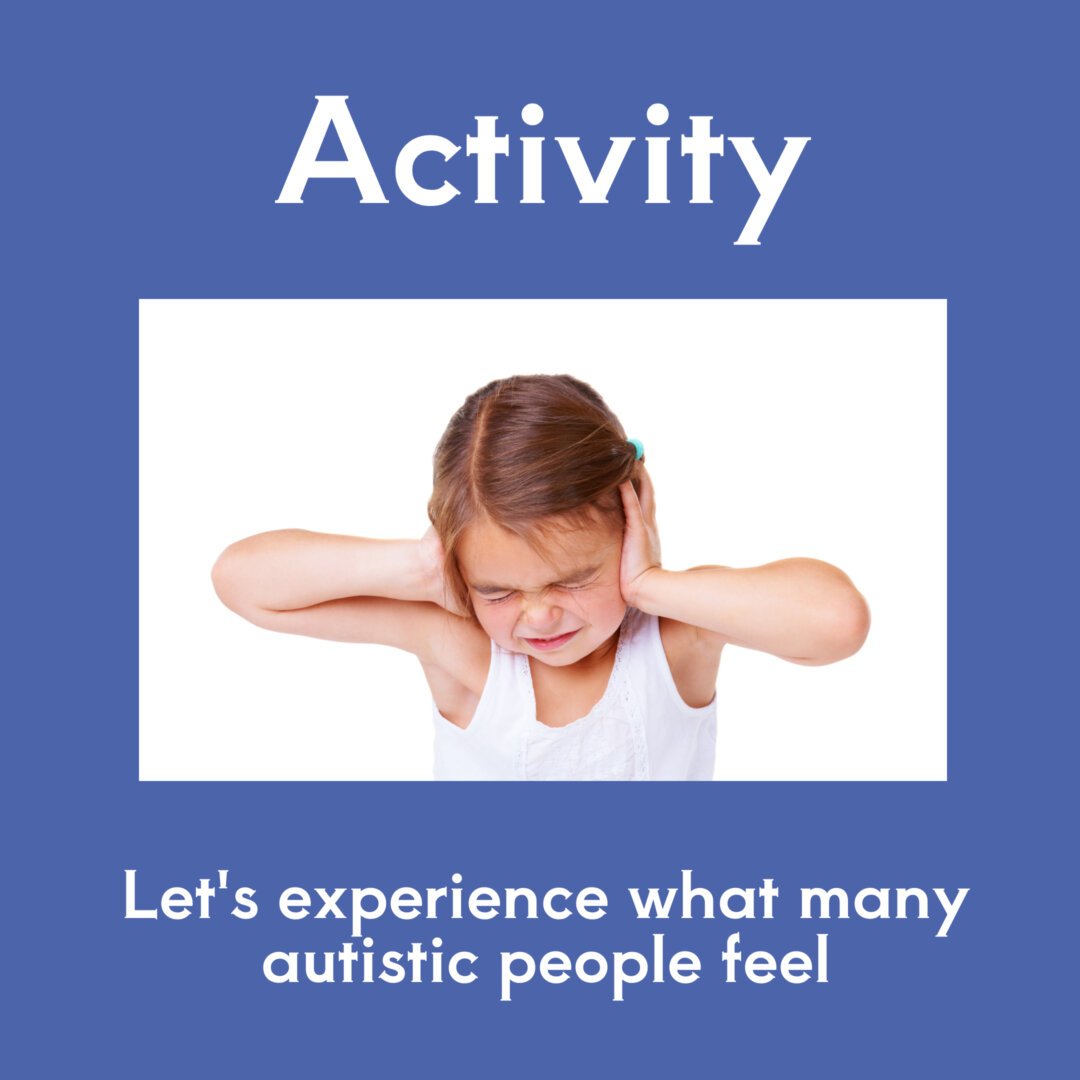
While coding offers a sanctuary of structure, it’s not immune to the sensory and cognitive challenges that autistic individuals often face. The modern tech workplace, with its open-plan offices, fluorescent lighting, and constant hum of conversation, can be a minefield for someone with sensory sensitivities. The very environment that promises clarity and precision can quickly become overwhelming.
Consider the plight of an autistic coder working in a bustling office. The noise of keyboards clacking, the flicker of fluorescent lights, the scent of someone’s lunch wafting through the air—each of these can be a distraction, pulling their focus away from the task at hand. Even the glow of multiple monitors can be a source of discomfort, leading to eye strain or headaches. In a field where concentration is paramount, these sensory intrusions can feel like insurmountable obstacles.
Yet, the tech industry is gradually waking up to the need for sensory-friendly workspaces. Companies are beginning to recognize that the same minds that excel at coding might struggle in environments designed for neurotypical comfort. Quiet rooms, noise-canceling headphones, and flexible work arrangements are becoming more common, allowing autistic coders to thrive without sacrificing their well-being. The key lies in creating spaces that respect their sensory needs while still fostering collaboration and innovation.
But sensory challenges aren’t the only hurdles autistic coders face. The social dynamics of the tech world can also pose difficulties. Networking events, team meetings, and even casual conversations can feel like navigating a minefield of unspoken rules. For someone who struggles with social cues, the pressure to “fit in” can be exhausting. Yet, many autistic coders find ways to navigate these waters, whether by focusing on their work during social events or by seeking out communities where their differences are celebrated rather than stigmatized.
The Future of Tech: A More Inclusive Landscape
The tech industry stands at a crossroads. On one hand, it’s a field where autistic individuals can excel, where their strengths are not just recognized but valued. On the other, it’s an environment that often fails to accommodate their needs, leaving them vulnerable to burnout or exclusion. The question isn’t whether autistic people belong in tech—it’s whether tech will evolve to meet them halfway.
Fortunately, there’s a growing movement within the industry to address these challenges. Companies are investing in neurodiversity training, creating mentorship programs, and rethinking their hiring practices to attract autistic talent. The results speak for themselves: teams that embrace neurodiversity are more innovative, more resilient, and more adaptable. They’re also more reflective of the diverse world they serve.
But the responsibility doesn’t lie solely with employers. Autistic coders themselves are redefining what it means to succeed in tech. They’re advocating for accommodations, building supportive communities, and proving that their differences are not weaknesses but strengths. From open-source projects to tech startups, autistic individuals are leaving their mark on the industry in ways that are both profound and lasting.
So, what’s next for autistic coders in the tech world? The answer lies in continued collaboration—between employers and employees, between neurotypical and neurodivergent minds, and between the old guard and the innovators. The future of tech isn’t just about writing code; it’s about writing a new narrative, one where diversity isn’t just tolerated but celebrated.
The journey isn’t without its challenges, but for those who dare to embrace the complexities of both coding and neurodiversity, the rewards are boundless. In a world that often feels chaotic and unpredictable, the autistic coder finds solace in the structured elegance of a well-written program. And in doing so, they remind us all that the most groundbreaking innovations often come from those who see the world a little differently.