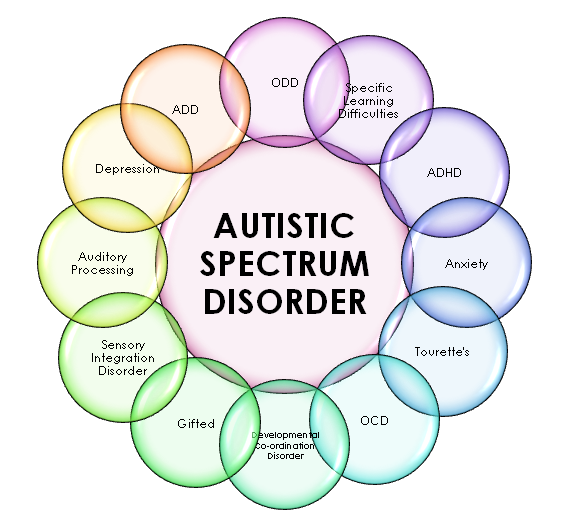
Autism and hiking share an unexpected kinship, one rooted in the quiet dialogue between the human spirit and the natural world. For many neurodivergent individuals, the act of stepping onto a trail is not merely a form of exercise—it is a sensory symphony, a tactile conversation with the earth beneath their feet and the wind against their skin. The fascination with hiking among autistic people often stems from a deep-seated need for predictability in an unpredictable world, yet paradoxically, it also offers a space where unpredictability can be embraced without overwhelm. This duality reveals a profound truth: nature does not demand conformity; it invites presence, and in that presence, autistic individuals often find a rare sense of belonging.
Consider the way a forest floor crunches underfoot, the rhythmic cadence of footsteps syncing with the heartbeat of the trail. For those who experience the world with heightened sensory intensity, such moments can be both grounding and exhilarating. The absence of fluorescent lights, the muffled hum of urban noise, and the unfiltered exposure to sunlight or rain can create a sensory reset—a chance to recalibrate in an environment that does not impose artificial constraints. Hiking, in this sense, becomes more than a pastime; it is a form of sensory therapy, where the body and mind synchronize with the cadence of the natural world.
The Allure of Predictable Chaos
One of the most compelling aspects of hiking for autistic individuals is the balance between structure and spontaneity. Trails, by their very nature, offer a predictable framework—a clear path, a known destination, and a sequence of sensory inputs that unfold in a somewhat orderly fashion. Yet, within that framework lies an element of the unknown: the sudden rustle of leaves, the unexpected scent of pine, the way sunlight filters through the canopy in shifting patterns. This juxtaposition of order and surprise mirrors the cognitive experience of many autistic people, who often thrive in environments that provide clear boundaries while allowing for moments of unscripted discovery.
This dynamic is not unlike the way a musician might appreciate both the sheet music and the improvisation in a jazz composition. The trail’s path is the sheet music—reliable, guiding, and familiar—while the sensory details along the way are the improvisations, the unexpected flourishes that make the journey uniquely theirs. For autistic hikers, this balance can be deeply satisfying, offering a sense of control over the uncontrollable, a way to navigate the world on their own terms.
Sensory Immersion: A Feast for the Senses
The sensory richness of a hike is unparalleled, and for autistic individuals, it can be both a source of comfort and a challenge. The tactile experience of rough bark against fingertips, the earthy aroma of damp soil after rain, the distant call of a bird echoing through the trees—each element is a thread in a larger sensory tapestry. Unlike the often overwhelming sensory overload of urban environments, nature’s stimuli tend to be more gradual and harmonious, allowing for a slower, more deliberate engagement with the world.
For those with tactile defensiveness, the sensation of moss underfoot or the cool touch of a stream can be soothing, a way to ground themselves in the present moment. The auditory landscape of a trail—birdsong, rustling leaves, the distant murmur of a creek—can be a balm for those who are sensitive to noise, offering a natural white noise that drowns out the jarring cacophony of city life. Even the visual stimuli, from the dappled light on the forest floor to the vibrant hues of autumn foliage, can be a source of fascination, a living canvas that changes with every step.
The Therapeutic Power of Solitude and Connection
Hiking offers a rare blend of solitude and connection, two experiences that can be deeply meaningful for autistic individuals. In the quiet of the woods, away from the demands of social interaction, one can find a sense of peace that is often elusive in crowded spaces. The absence of the unspoken rules and expectations that govern human interaction in urban settings can be liberating, allowing for a kind of mental decompression that is difficult to achieve elsewhere.
Yet, hiking is not inherently solitary. It can also be a shared experience, whether with a trusted companion or a group of like-minded individuals. The act of walking side by side, without the pressure of constant conversation, can foster a sense of camaraderie that feels more authentic than many traditional social interactions. For autistic people who struggle with the nuances of small talk or the unpredictability of group dynamics, hiking provides a neutral ground where connection can happen organically, without the weight of social performance.
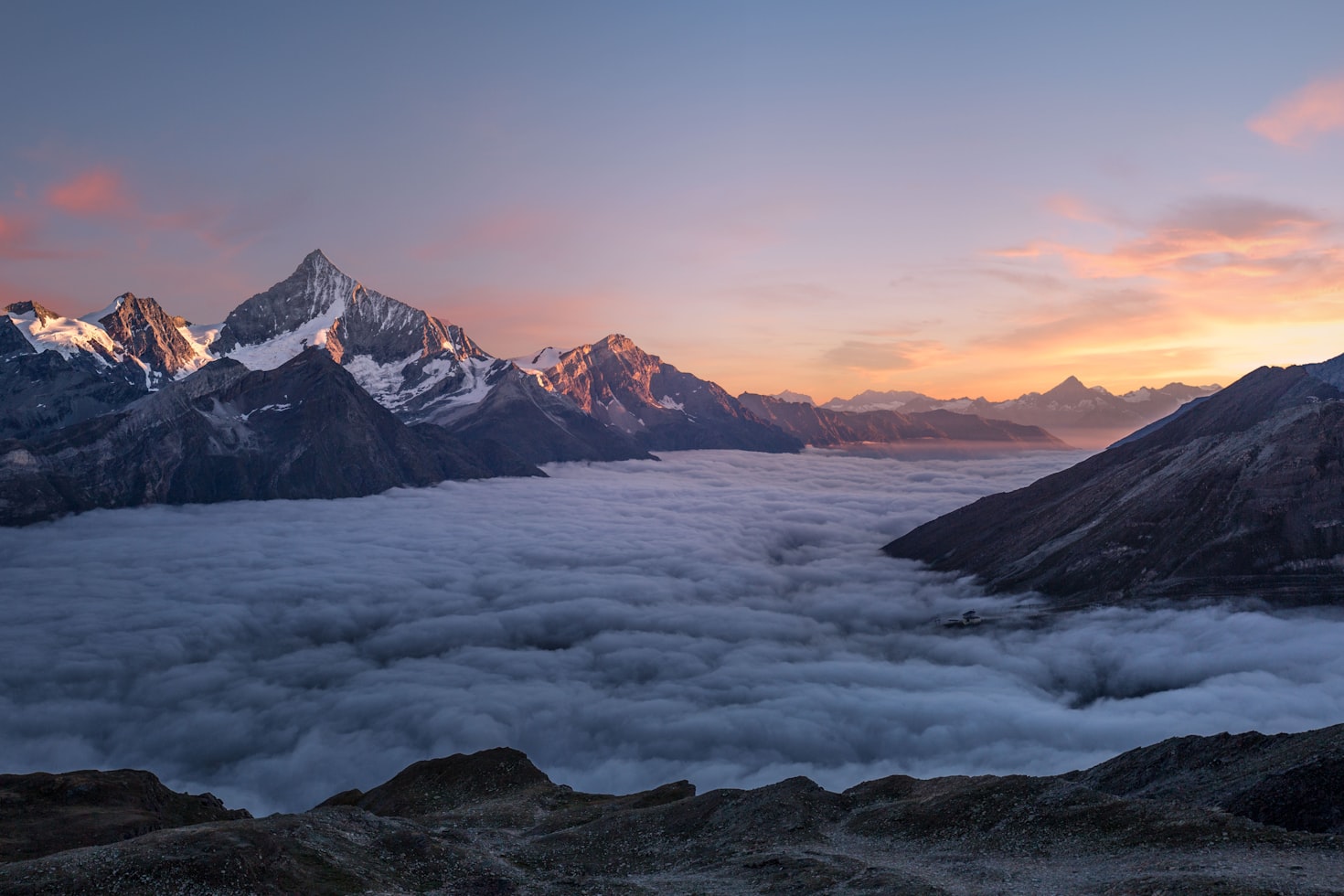
Moreover, the natural world itself can feel like a silent companion, a presence that is both comforting and awe-inspiring. The vastness of a mountain range or the stillness of a lake can evoke a sense of wonder that transcends the need for verbal exchange. In these moments, the autistic hiker may find a profound sense of connection—not just to the environment, but to something larger than themselves, a feeling that can be both humbling and deeply affirming.
Overcoming Barriers: Practical Considerations
While the benefits of hiking are clear, the practical challenges can sometimes feel daunting. Sensory sensitivities may make certain trails or weather conditions overwhelming, while executive dysfunction can make planning and executing a hike feel like an insurmountable task. However, these barriers are not insurmountable, and with thoughtful preparation, hiking can become an accessible and rewarding activity.
Choosing the right trail is essential. Shorter, well-marked paths with minimal elevation gain can provide a gentler introduction to hiking, while loop trails that return to the starting point eliminate the stress of retracing steps. For those sensitive to noise, avoiding popular trails during peak hours can make a significant difference. Similarly, timing a hike to coincide with less crowded times of day or week can reduce the sensory and social pressures that might otherwise detract from the experience.
Adaptive gear can also play a crucial role. Noise-canceling headphones can provide a buffer against sudden sounds, while compression clothing or weighted vests may offer additional sensory regulation. For those who struggle with executive function, breaking the hike into smaller, manageable segments—such as walking to a specific landmark and then turning back—can make the experience feel less overwhelming. The key is to approach hiking with flexibility and self-compassion, recognizing that the goal is not perfection, but presence.

The Deeper Reason: A Search for Authenticity
Beyond the sensory and practical aspects, hiking for autistic individuals often taps into a deeper existential quest—the search for authenticity. In a world that frequently demands conformity, the natural world offers a space where one can exist as they are, without the need to mask or perform. The trail does not ask for eye contact, nor does it require adherence to social scripts. It simply is, and in its being, it invites the hiker to be, as well.
This authenticity extends to the way autistic hikers engage with the environment. There is no pressure to interpret the landscape in a specific way or to appreciate it within the confines of conventional aesthetics. A rock formation might be fascinating not for its symmetry, but for the way it feels under the fingers; a stream might be captivating not for its clarity, but for the way it sounds as it rushes over stones. In this unfiltered engagement, autistic hikers often discover a form of self-expression that is uniquely their own, a way of knowing the world that is not mediated by societal expectations.
The deeper reason for the fascination with hiking, then, may lie in its ability to offer a rare kind of freedom—the freedom to experience the world on one’s own terms, to find beauty in the overlooked, and to move through space without apology. In the quiet rhythm of footsteps on a trail, in the whisper of the wind through the trees, autistic individuals may find not just a pastime, but a sanctuary—a place where they are seen, heard, and, most importantly, understood.
The path ahead is not always clear, and the journey is not without its challenges. Yet, for those who choose to walk it, the rewards are profound. Hiking becomes more than an activity; it becomes a metaphor for the autistic experience itself—a journey of discovery, resilience, and quiet triumph. And in that journey, the natural world is not just a backdrop, but a companion, guiding the way with the same unyielding presence as the earth beneath one’s feet.